
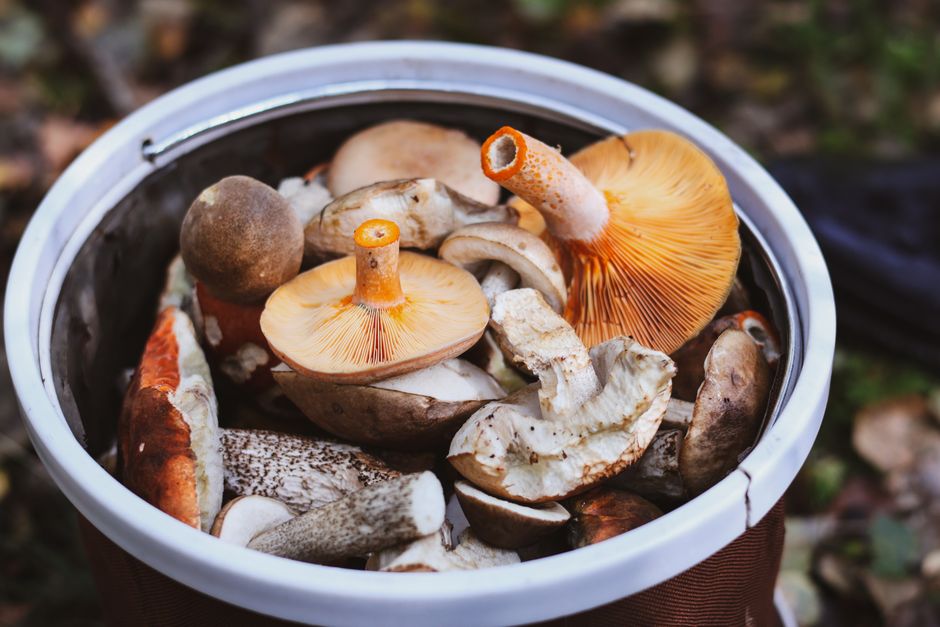
Foraged mushrooms are a perishable wild food, and how you handle them in the first few hours matters more than almost anything else you do later. The short answer: keep them cool and dry, clean them without soaking, and refrigerate fresh mushrooms in a paper bag for a few days. For long-term storage, cook them first, then freeze, or dry them thoroughly and keep them airtight and away from light and moisture.
Wild mushrooms are not like grocery store button mushrooms. They often carry insects, dirt, and moisture from the forest floor, and some species hold up far better to drying or freezing than others. The steps below cover both short-term refrigeration and long-term preservation, along with the food safety points that actually matter.
How To Store Foraged Mushrooms Short And Long Term?
The core principle is the same in both cases: mushrooms spoil fastest when they sit wet, warm, and crowded. Moisture drives bacterial and mold growth, and warmth speeds it up. Air circulation and cold slow it down.
For short-term storage, the goal is to keep the mushrooms alive and firm for a few days. For long-term storage, the goal is to remove or lock in the water so that spoilage organisms have nothing to work with. Drying removes water. Freezing after cooking stops the enzymes that cause texture breakdown and off-flavors.
One detail that surprises many foragers: a mesh basket or a paper bag works better than a plastic bag for fresh mushrooms. Plastic traps moisture against the surface, which is exactly the condition that encourages slime and mold. Paper and mesh let the mushrooms breathe.
How Should You Clean Foraged Mushrooms Before Storing Them?
Clean them dry, not wet. Brush off dirt, pine needles, and debris with a soft brush or a damp cloth, and trim the dirty base of the stem. Avoid soaking mushrooms in water. They act like sponges and absorb liquid, which ruins texture and speeds spoilage.
If a mushroom is genuinely gritty, a quick rinse followed by immediate patting dry is acceptable for firm species, but it is not ideal. Soaking is the bigger problem. A brief rinse is a compromise, not a method to rely on.
Cut away any soft, discolored, or wormy sections. Insect larvae are common in wild mushrooms, especially in warm weather, and they will continue to damage the mushroom in storage. If a mushroom is badly infested, it is not worth keeping.
Do not wash mushrooms you plan to dry unless you dry them immediately and thoroughly afterward. Added surface water extends drying time and raises the risk of mold.
How Long Do Fresh Foraged Mushrooms Last In The Fridge?
Most fresh wild mushrooms keep for about three to seven days in the refrigerator, depending on the species and how clean and dry they were when stored. Some firm species last longer. Soft, watery species may only hold for a day or two.
Store them in a paper bag, a breathable container, or a shallow tray lined with a paper towel and loosely covered. The paper absorbs excess moisture while still allowing air movement. Keep them in the main part of the fridge, not the crisper drawer if that drawer traps humidity, and not next to strong-smelling foods, since mushrooms absorb odors.
Check them daily. Discard any mushroom that has turned slimy, smells sour or foul, or shows fuzzy mold. Sliminess is a clear sign of bacterial breakdown and is not something you can wash off.


How Do You Dry Foraged Mushrooms For Long-Term Storage?
Drying is one of the oldest and most reliable ways to preserve mushrooms, and it works well for many species. The goal is to remove enough moisture that mold and bacteria cannot grow. Properly dried mushrooms should be brittle, not leathery or pliable.
You can dry mushrooms with a food dehydrator, in an oven on the lowest setting with the door slightly open, or by air-drying in a warm, dry, well-ventilated spot. A dehydrator gives the most consistent results. Slice larger mushrooms so they dry evenly.
Once dried, store them in an airtight container in a cool, dark, dry place. Glass jars with tight lids work well. Add a small food-safe desiccant packet if you live in a humid climate. Keep them away from light, which degrades flavor and color over time.
Properly dried and stored mushrooms can keep for many months, often a year or more. Check them periodically. If they have gone soft or show any mold, discard them.
Which Mushrooms Dry Well?
Firm-fleshed species with lower water content dry best. Many boletes, chanterelles, and morels are commonly dried. Soft, watery species tend to turn mushy and are better cooked and frozen.
Can You Freeze Foraged Mushrooms?
Yes, but cook them first. Freezing raw mushrooms produces a mushy, watery result because ice crystals damage the cell walls, and the texture does not recover on thawing. Cooking first, then freezing, gives a far better product.
To freeze, sauté or otherwise cook the mushrooms until their released water has evaporated. Let them cool, then pack them into freezer-safe containers or bags, pressing out excess air. Label with the date. Frozen cooked mushrooms generally keep well for several months to about a year.
Some people freeze mushrooms in a sauce, broth, or butter, which helps protect texture and flavor. Thaw in the refrigerator and use them in cooked dishes. Do not expect thawed mushrooms to work well raw or as a firm-textured garnish.
What About Pickling Or Pressure Canning?
Pickling mushrooms in vinegar and salt is a traditional preservation method, and the acidity helps limit the growth of many spoilage organisms. These pickled mushrooms are generally treated as a refrigerated product, not a shelf-stable one, unless they are properly processed.
Canning mushrooms at home is a higher-risk undertaking. Mushrooms are a low-acid food, and low-acid foods require pressure canning to reach temperatures that inactivate the bacteria that cause botulism. Boiling water bath canning is not sufficient for low-acid foods. If you want to can mushrooms, follow established, tested pressure-canning guidelines exactly, and do not improvise with times or pressures.
Freezing and drying are simpler and carry less risk for most home foragers. If you are new to preserving, start there.
Food Safety Points That Actually Matter
Preservation does not make a bad mushroom safe. If you are not certain of an identification, do not eat it, and do not preserve it. Drying and freezing do not destroy toxins in poisonous mushrooms.
Handle mushrooms promptly after picking. The sooner you clean and store or process them, the better they hold up. Keep them cool in the field in a breathable container, not sealed in plastic.
When in doubt about any stored mushroom, throw it out. Slimy texture, off smells, and visible mold are reliable warning signs. Do not try to salvage them by cooking.
If you are new to foraging, the safest approach is to learn from a knowledgeable local expert or a recognized foraging group, because toxic and edible species can look similar and the species that grow near you vary by region.
Short-Term vs Long-Term Storage At A Glance
| Method | Best For | Typical Storage Time | Key Step |
|---|---|---|---|
| Refrigerator (paper bag) | Fresh mushrooms you will use soon | About 3 to 7 days | Keep dry and breathable |
| Drying | Firm species, long storage | Many months, often a year or more | Dry until brittle, then keep airtight |
| Freezing (after cooking) | Soft or watery species | Several months to about a year | Cook first, then freeze |
| Pickling | Adding variety, fridge storage | Varies; treat as refrigerated | Use proper acidity and refrigeration |
Times vary with species, moisture content, and storage conditions, so treat these as general ranges rather than fixed rules.
Frequently Asked Questions
How long do fresh foraged mushrooms last in the fridge?
Most keep about three to seven days when stored cool and dry in a paper bag or breathable container. Soft, watery species may only last a day or two.
Should you wash foraged mushrooms before storing them?
Clean them dry with a brush or damp cloth rather than soaking them. Mushrooms absorb water, which harms texture and speeds spoilage.
Can you freeze foraged mushrooms raw?
You can, but the texture turns mushy and watery after thawing. Cooking them first, then freezing, gives a much better result.
How do you know dried mushrooms are safe to store?
They should be fully brittle, not leathery or pliable, before you seal them in an airtight container. Any softness or mold means they should be discarded.
