
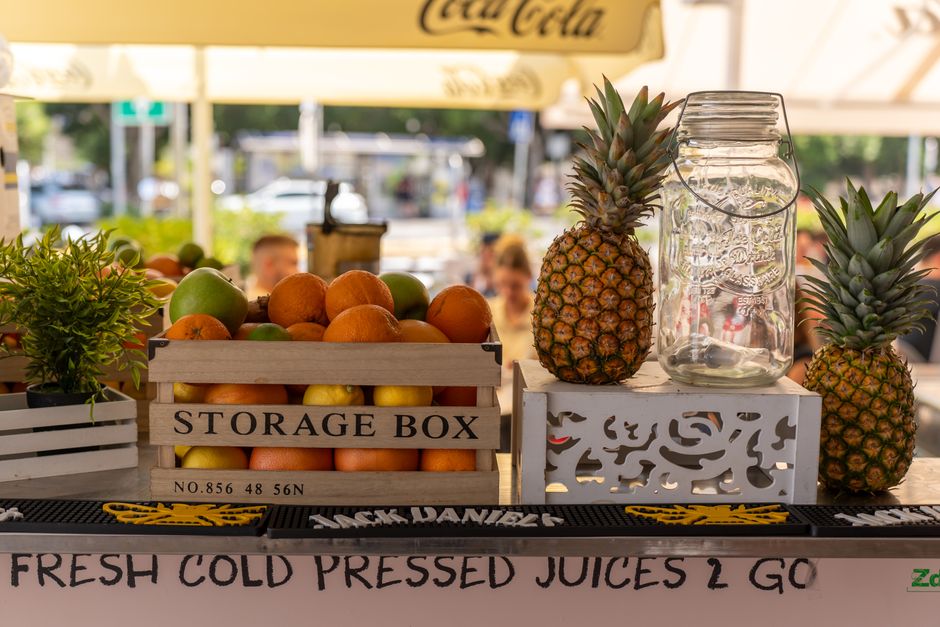
Cold pressed juice has no heat treatment to slow spoilage, so how you store it matters more than it does for most drinks. Keep it in the refrigerator at 40°F (4°C) or below and drink it within about three to five days of pressing. For longer storage, freeze it in a sealed container, leaving headspace for expansion, and use it within roughly three to six months for best quality.
Those windows are not arbitrary. They reflect how fast bacteria and mold grow in a raw, low-acid liquid, and how quickly oxygen degrades the vitamins and enzymes that make fresh juice worth buying in the first place.
Why Does Cold Pressed Juice Spoil Faster Than Regular Juice?
Most bottled juice on a grocery shelf has been pasteurized. That means it was heated to a temperature high enough to kill yeast, mold, and bacteria, then sealed. Cold pressed juice skips that step. The juice is extracted by a hydraulic press that crushes produce slowly without generating much heat, which preserves more of the delicate nutrients and fresh flavor. It also leaves the microbes fully alive.
Two things then drive spoilage. The first is microbial growth. Bacteria, yeast, and mold are present on the skins of fruits and vegetables and in the air around them. Once the produce is crushed, those organisms have a liquid environment rich in sugar and nutrients. Refrigeration slows them down but does not stop them.
The second is oxidation. When juice is exposed to air, oxygen reacts with vitamin C, certain B vitamins, and plant pigments. This is why juice left out turns brown and loses flavor. Cold slows this reaction. Air exposure speeds it up. Sealing matters as much as temperature for this reason.
There is a third factor people rarely consider. The natural acidity of the juice changes how fast microbes grow. Citrus and pineapple juices are acidic, which makes them less hospitable to many bacteria. Juices made mostly from leafy greens, carrots, or beets are far less acidic, and those are the ones that tend to spoil fastest.
How Should You Store Cold Pressed Juice in the Fridge?
Refrigeration temperature is the single biggest lever you control. The USDA recommends keeping your refrigerator at 40°F (4°C) or below. Many food safety sources suggest 35°F to 38°F (roughly 1.7°C to 3.3°C) for the best shelf life on perishable items. A refrigerator thermometer is cheap and removes the guesswork, because the dial setting on most fridges does not tell you the actual temperature.
Beyond temperature, follow these steps:
- Keep the juice in the sealed bottle it came in, or transfer it to a clean glass jar with a tight lid. Glass does not hold onto odors or stains the way some plastics can, and it does not react with the juice.
- Fill the container as close to the top as possible. Less air above the liquid means less oxygen to drive oxidation.
- Store it in the main body of the fridge, not in the door. The door is the warmest spot and the temperature swings every time you open it.
- Keep it away from raw meat, poultry, and eggs. Cross-contamination from drips is a real risk with any ready-to-eat food.
- Pour what you plan to drink into a glass rather than drinking from the bottle. Saliva introduces bacteria that shorten the remaining shelf life.
If the juice came in a plastic bottle, that is fine for storage, but check whether the bottle was designed for reuse. Thin single-use bottles can crack and let air in.
How Long Does Cold Pressed Juice Last in the Refrigerator?
For fresh, unpasteurized cold pressed juice, most producers recommend drinking it within three to five days. Some say two to three days for green juices and up to five for more acidic blends. These are producer guidelines rather than a universal standard, and the actual window depends on how the juice was made, how clean the equipment was, and how cold your fridge runs.
Pasteurized cold pressed juice, sometimes labeled “high pressure processed” or HPP, is different. High pressure processing uses pressure instead of heat to reduce microbes. It extends refrigerated shelf life considerably, often to a few weeks or longer depending on the product. The label will tell you. If it says HPP or “high pressure processed,” follow the date on the bottle rather than the three-to-five-day rule.
| Type of Juice | Typical Refrigerated Shelf Life |
|---|---|
| Fresh, unpasteurized cold pressed | About 3 to 5 days |
| High pressure processed (HPP) | Depends on the product; often longer, per the label date |
| Heat pasteurized bottled juice | Usually weeks to months before opening |
These are general ranges, not guarantees. When in doubt, throw it out. That is the standard food safety guidance, and it applies here.





Can You Freeze Cold Pressed Juice?
Yes, freezing works, and it is the most practical way to keep juice for more than a week. Freezing stops microbial growth almost entirely and slows oxidation to a crawl. The tradeoff is texture and some nutrient loss.
Freezing does not kill bacteria or other microbes. It puts them into a dormant state. When the juice thaws, any microbes that were present can become active again. This is why frozen juice still needs to be handled safely and consumed reasonably soon after thawing.
For quality, aim to use frozen juice within about three to six months. That is a general quality guideline rather than a strict safety cutoff. Longer storage is not necessarily unsafe, but flavor and vitamin content decline over time.
How Do You Freeze Cold Pressed Juice Without Ruining It?
Water expands when it freezes, so the container you choose matters. If you fill a glass jar to the brim and freeze it, the expanding ice can crack the glass. Leave about an inch of headspace at the top of any rigid container.
A few practical points:
- Use freezer-safe containers or ice cube trays. Silicone trays work well and let you thaw only what you need.
- Freeze in smaller portions. A large block of frozen juice takes a long time to thaw, and the outer portion sits at warmer temperatures while the center is still solid.
- Seal tightly. Freezer burn is oxidation, and it affects juice the same way it affects food. An airtight lid or a layer of plastic wrap pressed against the surface helps.
- Label with the date. Frozen juice is hard to identify later, and the date tells you how long it has been stored.
Thaw juice in the refrigerator, not on the counter. Counter thawing lets the outer layer warm into the temperature range where bacteria grow quickly while the center is still frozen. Once thawed, drink it within a day or two.
Does Freezing Destroy the Nutrients in Cold Pressed Juice?
Freezing preserves most nutrients better than refrigeration over long periods, but it is not loss-free. Vitamin C is the nutrient most sensitive to both oxygen and time, and some of it is lost during freezing, frozen storage, and thawing. The exact amount varies widely by juice type and storage conditions.
What is clear is that the biggest nutrient losses come from oxygen exposure and prolonged storage, not from freezing itself. Sealing tightly and limiting air contact does more to protect nutrients than any other single step.
One point worth being honest about: the health claims often attached to cold pressed juice, such as detoxification or dramatic nutrient advantages over other juices, are not well supported by clinical evidence. Cold pressing does preserve more heat-sensitive compounds than high-heat processing, and that is a real difference. But no strong human trials show that drinking cold pressed juice delivers the specific health outcomes marketers often imply.
What Are the Signs That Cold Pressed Juice Has Gone Bad?
Trust your senses, and do not rely on the date alone. Juice that has spoiled usually shows clear signs:
- A sour, fermented, or off smell
- Visible mold, especially around the cap or on the surface
- Bubbling, fizzing, or pressure buildup in a sealed bottle, which signals fermentation
- A change in color, often browning or dulling
- A slimy or thicker texture
- An unexpected sharp or alcoholic taste
Any one of these is reason to discard the juice. Do not taste it to check if you already see or smell signs of spoilage. Some foodborne organisms can make you sick at doses too small to detect by taste.
People with weakened immune systems, young children, older adults, and pregnant women face higher risk from foodborne illness. Unpasteurized juice is one of the products public health agencies advise these groups to avoid or handle with extra care. If you fall into any of these groups, talk with a healthcare provider about whether unpasteurized juice is appropriate for you.
Frequently Asked Questions
How long can you keep cold pressed juice in the fridge?
Fresh, unpasteurized cold pressed juice is generally best within three to five days of pressing. Pasteurized or high pressure processed juice can last longer, so check the label date.
Can you freeze cold pressed juice in a glass bottle?
Only if you leave about an inch of headspace, because juice expands as it freezes and can crack the glass. A freezer-safe container or silicone tray is a safer choice.
Does cold pressed juice lose nutrients when frozen?
Some vitamin C and other sensitive nutrients are lost during freezing, storage, and thawing, but the losses are usually smaller than those from oxygen exposure and long refrigeration. Sealing tightly helps protect nutrients.
How do you know if cold pressed juice has gone bad?
Signs include a sour or fermented smell, visible mold, fizzing or pressure in the bottle, color changes, and a slimy texture. If you notice any of these, throw the juice out.
