
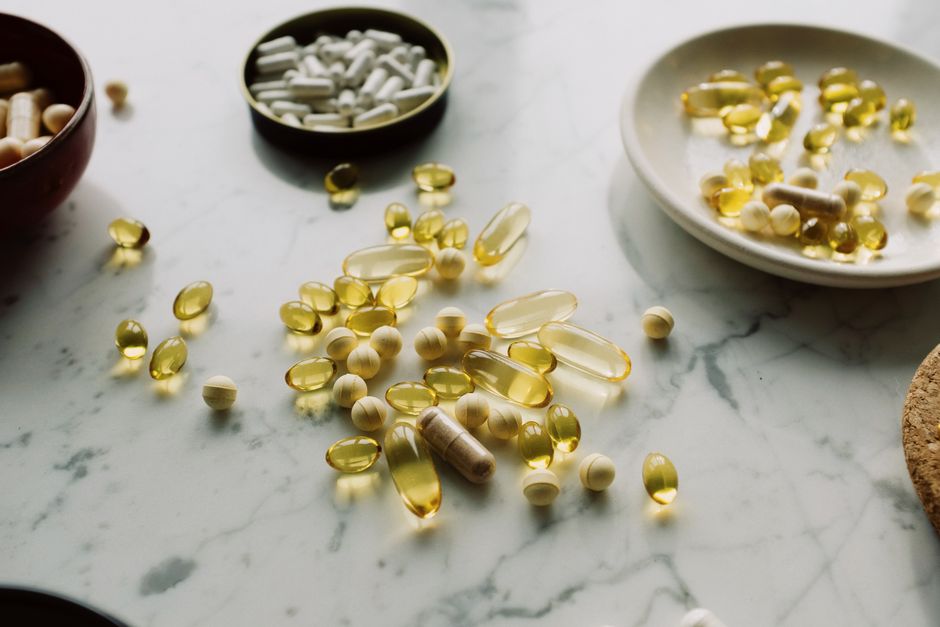
CBD oil degrades over time, and how you store it decides how fast that happens. The three biggest enemies are light, heat, and oxygen. Keep your bottle tightly closed in a cool, dark place, and you slow that breakdown considerably. A kitchen cabinet away from the stove works well. So does the refrigerator for long-term storage. What you should avoid is the windowsill, the car, and any spot that gets hot or bright.
That is the short answer. The longer answer involves understanding what actually breaks CBD down, why some bottles lose strength faster than others, and what the label dates really mean.
What Actually Causes CBD Oil To Lose Potency?
CBD is a cannabinoid, and cannabinoids are chemically fragile compared to many drugs. The molecule reacts with light, heat, and oxygen, and each reaction changes it into something else.
Ultraviolet light is the fastest destroyer. It provides energy that rearranges the CBD molecule, converting it into other compounds. This is why CBD products ship in dark glass or opaque plastic. That packaging is not decorative. It is functional.
Heat speeds up every chemical reaction, including the ones you do not want. A bottle left in a hot car or beside a stove will lose potency faster than the same bottle in a cool pantry. The relationship is not subtle.
Oxygen is the slower, sneakier problem. Every time you open the bottle, fresh air enters. Over months of daily use, that repeated exposure adds up. This is one reason a large bottle you open every day may degrade differently than a small bottle you finish quickly.
There is one more factor people rarely consider. CBD oil is usually dissolved in a carrier oil such as hemp seed oil, MCT oil, or olive oil. Those carrier oils can go rancid on their own timeline. Rancidity does not necessarily destroy the CBD, but it changes the taste and smell, and it tells you the product is past its best.
Does The Type Of CBD Oil Change How You Should Store It?
Yes, and this is where a lot of general advice falls short. Not all CBD oils behave the same way in storage.
Full-spectrum and broad-spectrum oils contain a mix of cannabinoids, terpenes, and other plant compounds. Terpenes are volatile, meaning they evaporate and degrade relatively easily. They are also part of what gives these products their characteristic smell and, according to some research, some of their effects. Heat and light drive terpenes off faster than they degrade CBD itself.
CBD isolate products contain only CBD, usually in a carrier oil. There are no terpenes to lose, so the storage concern narrows mostly to protecting the CBD and preventing the carrier oil from going rancid.
Water-based CBD products, sometimes sold as CBD beverages or water-soluble drops, are a different situation entirely. Water supports microbial growth in a way that oil does not. These products generally need refrigeration and have shorter shelf lives. Check the specific label instructions, because formulations vary widely and no single rule covers them all.
How To Store CBD Oil For Maximum Potency
Store CBD oil in its original dark container, sealed tightly, in a cool, dark, dry place. That is the core instruction, and everything else is detail around it.
A closed cabinet away from heat sources is the practical default for products you use daily. The refrigerator is a reasonable choice for products you plan to keep for many months, or for large bottles you use slowly. Some people worry that refrigeration causes the oil to thicken or separate. MCT oil and hemp seed oil can become cloudy or solid at cold temperatures, but this is a physical change, not a chemical one, and it reverses at room temperature. It does not damage the CBD.
What to avoid is straightforward:
- Direct sunlight, including through a window
- Hot cars, glove boxes, and trunks
- Above the stove, near the oven, or next to a radiator
- Bathrooms, where heat and humidity fluctuate
- Anywhere a child or pet can reach
That last point matters more than storage purity. CBD oil in a bottle with a dropper is easy for a child to open and drink. Keep it up and out of reach, the same way you would treat any medication.
A non-obvious point about the dropper: do not leave it sitting out. If you set the dropper on the counter between uses, you expose a film of oil to air and light, and you may introduce contaminants. Put it back in the bottle or rinse and dry it. Small habit, real effect over time.
-
 EyeFortin Reviews 2026: Clear Vision Or A marketing Scam?
 -
Mounjaboost Reviews & Complaints: Does Drops Work for Weight Loss?
-
Yu Sleep Weight Loss Supplement Reviews. Critical March 2026 Update.
-
Neuro Energizer Review 2026. Legit Brain Tool or Just Hype?
-
Vigor Peak Reviews 2026: Legit, Safe, or Overhyped?





Should You Refrigerate CBD Oil Or Keep It At Room Temperature?
Both can work. The right choice depends on how fast you go through the bottle.
If you finish a bottle within a month or two, a cool dark cabinet is fine. If you bought a large bottle, use a small amount daily, or live somewhere hot, refrigeration gives you a margin of safety. Cooler temperatures slow the chemical reactions that degrade cannabinoids.
One practical downside of refrigeration is condensation. Moving a cold bottle in and out of a warm room can cause moisture to form inside the container. Over time, that moisture can affect the oil. If you refrigerate, let the bottle come to room temperature before opening it when you can, and keep it sealed.
There is no established clinical guideline that says refrigeration is required for all CBD oils. Manufacturer instructions are the most reliable guide, because formulations differ. When the label says store in a cool, dark place, that is the instruction to follow.
Does CBD Oil Expire, And What Does The Date Mean?
CBD oil does not last forever. Most products carry a best-by or expiration date, and that date reflects the manufacturer’s testing, not a universal standard. There is no single federal rule that sets CBD shelf life, so dates vary by brand and formulation.
In general, unopened CBD oil stored properly may hold its labeled potency for a year or more. Once opened, the clock runs faster because of repeated air exposure. A product past its date is not necessarily dangerous, but you should not assume it still delivers the dose on the label.
Signs that oil has gone off include a sharp or bitter smell, a change in color toward darker or cloudy, and a taste that seems off compared to when you bought it. Those signs point to the carrier oil or the product overall, not specifically to CBD loss. If it smells rancid, that is your cue to replace it.
Does Storage Really Affect How CBD Works For You?
Potency loss is real, but it is worth being honest about what it means in practice.
The evidence on CBD for most conditions is still developing. The FDA has approved a purified CBD product for certain severe seizure disorders, and that approval rests on clinical trials. For other uses, including anxiety, sleep, and pain, the research is mixed and much of it is early. Some studies suggest benefit in specific contexts. Results vary, and dosing is not standardized across products.
Because of that, storage is one of the few variables you can actually control. If you are taking CBD and trying to judge whether it helps, you want the product to be what the label says it is. A bottle that has lost potency through poor storage adds an unknown to an already uncertain picture. Storing it well does not make CBD more effective. It just keeps the product closer to its labeled strength.
Be cautious with any claim that a specific storage method boosts CBD potency. No evidence supports that. Storage slows degradation. It does not enhance anything.
Frequently Asked Questions
Should CBD oil be stored in the fridge?
Refrigeration is a reasonable choice for large bottles or products you use slowly, because cooler temperatures slow degradation. For a bottle you finish within a month or two, a cool dark cabinet works fine.
How long does CBD oil last once opened?
It depends on the formulation and how it is stored, and there is no universal standard. Most products carry a manufacturer date, and opened bottles tend to lose potency faster than unopened ones because of repeated air exposure.
Can I store CBD oil at room temperature?
Yes, as long as the room stays cool and the bottle stays sealed in a dark place away from heat and sunlight. Avoid hot spots like above the stove or inside a car.
Does CBD oil go bad if it gets warm?
Short exposure to warmth is unlikely to ruin a product, but repeated or prolonged heat speeds up degradation of CBD and terpenes. If oil smells sharp or rancid, replace it.
