
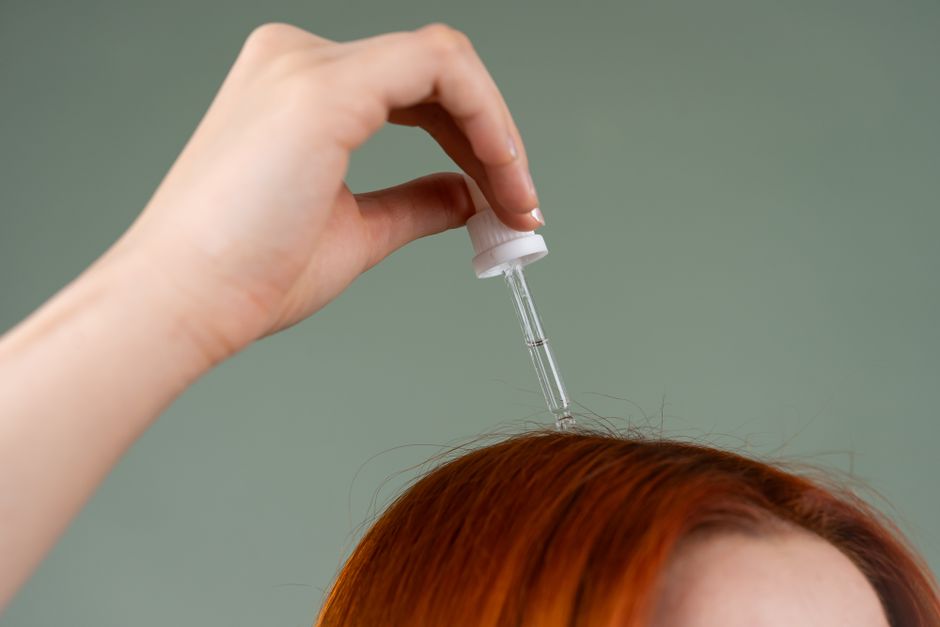
If your scalp aches after wearing a ponytail, take the hair down right away and let your scalp rest. The pain happens because pulling hair tight strains the tiny muscles and nerves around each follicle. Loosening the style and giving your scalp time to recover usually relieves the soreness. If the ache returns every time you pull your hair back, the fix is changing how you style it, not just how often you take it down.
Why Does Your Scalp Hurt After Wearing a Ponytail?
Each hair on your head grows from a follicle, and every follicle sits inside a small pocket of tissue packed with nerve endings, blood vessels, and a tiny muscle called the arrector pili. When hair is pulled tight, that tissue gets stretched. The nerve endings signal the brain that something is under tension, and you feel it as a dull ache, a throb, or a tender spot.
This is a mechanical problem, not an allergic one. Nothing is inflamed because of a product or an infection in most cases. The pain comes from sustained physical pull. Hold a rubber band stretched around your finger for an hour and the finger will ache too. Your scalp works the same way.
Hair direction matters more than most people realize. Each follicle sits at an angle, and hair grows in a specific direction out of the scalp. When you pull hair against that natural direction, the strain on the follicle is higher than when you pull with it. This is why a high, tight ponytail often hurts more than a low, loose one on the same head.
How To Stop Your Scalp From Hurting After a Ponytail
Take the hair down as soon as you notice the ache. The longer tension stays on the follicle, the longer the nerve endings keep firing, and the more tender the scalp becomes. Once the hair is loose, most mild soreness fades within minutes to a few hours.
Use your fingertips to gently massage the sore areas in small circles. This increases blood flow to the tissue and can help the nerve endings settle. You do not need oil or a special tool. Warm water on the scalp during a shower can have a similar effect.
If the pain is sharp or lingers, a cold pack wrapped in a cloth against the scalp for short periods may ease it. Do not put ice directly on the skin.
The bigger fix is preventing the pull in the first place. A few changes make a real difference:
- Switch to a soft fabric tie, a spiral hair coil, or a clip instead of a tight elastic band.
- Position the ponytail lower on the head, where the pull is often less intense.
- Loosen the band so you can slide a finger between it and your scalp without resistance.
- Move the ponytail to a different height each day so the same follicles are not always strained.
- Take the style down for part of every day rather than leaving it up from morning to night.
None of these steps require products or appointments. They reduce the mechanical load on the follicles, which is the actual cause of the ache.
Is It Normal for Your Scalp to Hurt After a Ponytail?
Mild soreness after a tight style is common and usually harmless. The discomfort is a normal response to sustained tension and typically clears once the pull is removed. Many people notice it most at the end of a long day or after sleeping with hair tied back.
The pattern becomes worth paying attention to when the pain is severe, lasts for hours after you take the hair down, or shows up with a looser style that should not cause it. That is a signal to look closer rather than simply toughing it out.
Some people have a more sensitive scalp by nature, and some scalp conditions make tension feel worse. If soreness is happening most days, the cause may be more than the hairstyle alone.




Can Tight Ponytails Cause Permanent Hair Loss?
Yes, repeated tight pulling can damage hair follicles over time. The condition is called traction alopecia, and it results from long-term, repeated tension on the same areas of the scalp. It is well documented in people who wear very tight styles for years, including certain braided and pulled-back hairstyles.
Early on, traction alopecia is reversible. Hair thins or breaks, but the follicle is still alive. Stop the pulling and hair often grows back. Over years, though, the repeated strain can scar the follicle, and once scarring happens the hair loss can become permanent. This is why the timing of the change matters.
The areas most often affected are the hairline, the temples, and the sides of the head, especially where hair is pulled back tightly and repeatedly. If you notice thinning in these zones alongside regular scalp pain, that combination is worth a conversation with a doctor or dermatologist.
When Should Scalp Pain After a Ponytail Be Checked by a Doctor?
Most ponytail soreness does not need medical attention. A doctor’s visit makes sense when the pain does not fit the usual pattern.
See a clinician if the pain is severe, if it continues for a long time after the hair is loose, or if it comes with redness, swelling, sores, or patches of hair loss. Scalp tenderness can also occur with several skin and hair conditions, and those need a proper exam rather than a guess. Other symptoms like fever, a rash that spreads, or pain that wakes you from sleep are reasons to get checked promptly.
It can also be worth ruling out other causes when the pain is not clearly tied to hairstyle. Some people assume every scalp ache is from a ponytail, but nerve-related scalp pain and certain skin conditions can produce similar feelings. A doctor can sort out which is which.
Do Headaches From Ponytails Mean Something Else?
Pulling hair back tightly can trigger a headache in some people, not just scalp soreness. The tension on the scalp and the muscles around the head can refer pain outward, producing an ache that feels like it starts at the scalp and spreads. This is sometimes called an external-traction headache because the pull comes from outside the body.
The mechanism is straightforward. Muscles and connective tissue around the skull are connected to the scalp, and sustained pull can irritate them. Loosening the hair usually eases this type of headache quickly, which helps distinguish it from other headache types.
If headaches happen often with tight styles but stop when hair is loose, the hairstyle is the likely trigger. If they persist regardless of how you wear your hair, that points elsewhere and deserves a medical look.
How to Prevent Scalp Pain From Hairstyles Going Forward
Prevention comes down to lowering tension and varying the strain. Rotate your styles so no single group of follicles carries the load every day. Alternate between loose, down, and clipped styles across the week.
Watch for the warning signs that tension is too high. A ponytail that leaves a visible ridge, a tender spot when you touch the scalp, or a headache later in the day all mean the pull is more than your scalp tolerates. Adjust the tightness before the ache starts, not after.
If you wear braids, tight buns, or pulled-back styles often, give your scalp regular breaks. Days with hair completely loose let the follicles recover. This matters most for anyone who has noticed thinning along the hairline, since that area is a common site of traction damage.
There is no product that undoes tension damage. The fix is mechanical: less pull, less often, spread across different parts of the scalp. That is the honest position, and it is also the one most likely to keep your scalp comfortable.
Frequently Asked Questions
How long does ponytail scalp pain last?
Most mild soreness fades within minutes to a few hours after you take the hair down. If pain lasts much longer or returns quickly, the tension is likely too high or something else may be going on.
Can a tight ponytail cause hair loss?
Yes, repeated tight pulling can cause traction alopecia, which may be reversible early but can become permanent with years of strain. Thinning along the hairline or temples is a warning sign worth acting on.
Why does my scalp hurt even with a loose ponytail?
A sensitive scalp or an underlying scalp condition can make even light tension feel painful. If soreness happens most days with loose styles, it is worth having a doctor examine your scalp.
What is the best hair tie to avoid scalp pain?
Soft fabric ties, spiral coils, and clips tend to cause less pull than tight elastic bands. The tightness of the style usually matters more than the specific tie you choose.
