
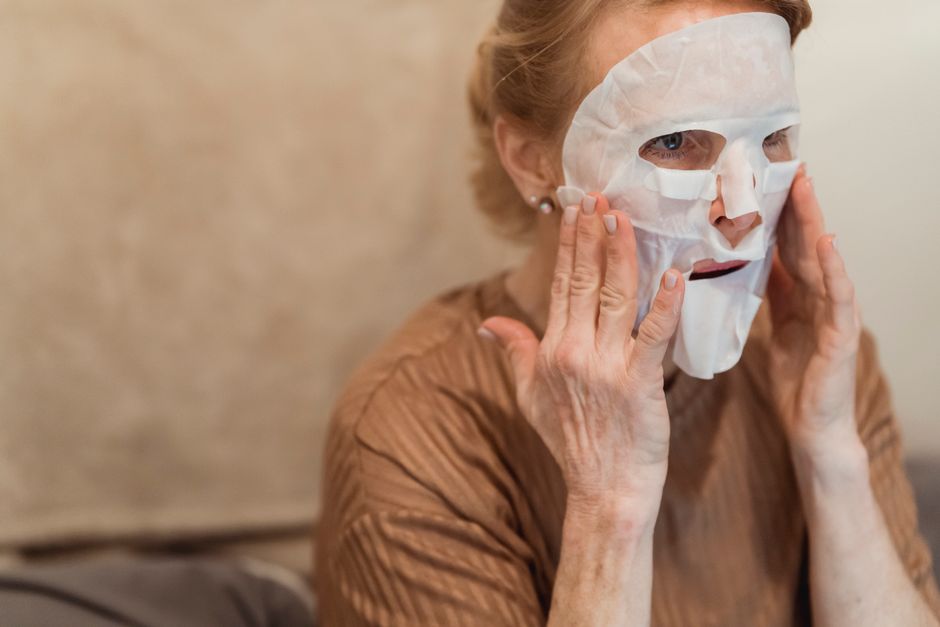
You cannot stop wrinkles from forming entirely. Skin aging is a natural biological process driven by genetics, cumulative sun exposure, and the gradual breakdown of collagen and elastin in your skin. What you can do is slow the visible signs significantly — and the single most effective step is protecting your skin from ultraviolet radiation every day, not just at the beach.
Wrinkles form when the supportive structure of your skin weakens over time. Collagen and elastin fibers fragment, hyaluronic acid levels drop, and the skin loses the ability to bounce back. UV radiation accelerates all of this. Smoking does too. So does repeatedly making the same facial expressions. The good news is that the biggest driver — sun damage — is also the one you have the most control over.
How To Stop Wrinkles: What Actually Works
Sunscreen is the closest thing to a wrinkle prevention tool that exists. Research published in the Annals of Internal Medicine found that daily use of broad-spectrum sunscreen significantly reduced skin aging over four and a half years compared to discretionary use. That is one of the few randomized trials in this area, and it points in a clear direction.
Use a broad-spectrum sunscreen with SPF 30 or higher. Apply it every morning, even when it is cloudy. UV radiation passes through clouds. Reapply every two hours if you are outdoors. If you are inside near windows most of the day, a single morning application is reasonable for incidental exposure, though UVA does penetrate glass.
Beyond sunscreen, the interventions with the most evidence behind them are:
- Topical retinoids — prescription tretinoin and over-the-counter retinol have the strongest evidence for improving fine lines and skin texture. They work by increasing cell turnover and stimulating collagen production. Results take months, not weeks.
- Vitamin C serums — some evidence supports their role in protecting against oxidative stress and supporting collagen synthesis, though study quality varies.
- Moisturizers — they do not prevent wrinkles, but well-hydrated skin looks less lined. Dry skin makes existing wrinkles more visible.
- Not smoking — smoking constricts blood vessels and damages collagen and elastin. The association between smoking and premature facial wrinkling is well established.
- Sleeping on your back — sleep lines from pressing your face into a pillow can become permanent over time. This is a mechanical effect, not a hormonal one.
What does not work: drinking collagen supplements. The collagen you swallow is broken down into amino acids during digestion. There is no strong evidence it reaches your skin intact or stimulates your own collagen production. Some small studies have shown modest improvements in skin elasticity, but the research is preliminary and the effect sizes are small.
Does Sunscreen Really Prevent Wrinkles?
Yes. This is one of the most well-supported findings in dermatology. Ultraviolet radiation from the sun breaks down collagen and elastin through a process called photoaging. It also generates free radicals that damage skin cells and DNA.
UVB rays primarily cause sunburn and surface damage. UVA rays penetrate deeper and are the main drivers of photoaging — wrinkles, sagging, and leathery texture. UVA intensity stays relatively constant throughout the day and passes through window glass. That is why broad-spectrum protection matters, not just SPF.
SPF measures protection against UVB. The “broad-spectrum” label means the product also blocks a meaningful portion of UVA. In the US, the FDA regulates this labeling. A product labeled SPF 30 broad-spectrum is not the same as SPF 30 alone.
Most people apply far less sunscreen than what is used in testing — roughly a quarter to half the amount. That means real-world protection is often lower than the label suggests. A common guideline is about one ounce (a shot glass) for the face and body, or roughly a nickel-sized amount for the face alone.
Do Retinoids Reverse Wrinkles?
Retinoids improve wrinkles. They do not reverse them completely. Tretinoin, the prescription form of vitamin A acid, has the most evidence. Studies dating back to the 1980s and 1990s showed measurable improvement in fine lines, roughness, and discoloration with regular use.
Retinol, available over the counter, is weaker. Your skin converts it to retinoic acid, but the conversion is inefficient. That means slower results and generally milder side effects. Retinaldehyde sits between retinol and tretinoin in potency.
Expect irritation when you start. Redness, peeling, and dryness are common in the first few weeks. Starting with a low concentration two or three nights per week and building up helps. Moisturizing before applying can reduce irritation. Retinoids also increase sun sensitivity, so daily sunscreen becomes even more important.
Results take three to six months to become noticeable. That is not marketing — it reflects how long it takes for collagen remodeling to show up in the skin. If you stop using them, the benefits fade.





What About Botox, Fillers, and Procedures?
Botulinum toxin injections relax the muscles that create dynamic wrinkles — the lines that appear when you frown or squint. They work well for forehead lines and crow’s feet. They do not help static wrinkles caused by sun damage and volume loss.
Dermal fillers, usually hyaluronic acid, add volume. They are most useful for deep folds like nasolabial lines and for restoring cheek volume. Results last months to over a year depending on the product and the area treated.
Laser resurfacing, microneedling, and chemical peels can improve skin texture and stimulate collagen. Evidence supports their use, though results vary by technique, device, and practitioner skill. These are medical procedures with real risks — scarring, infection, and pigment changes. They should be done by qualified professionals.
None of these options stop the aging process. They address the visible signs temporarily. Without ongoing sun protection, the underlying damage continues.
Which Lifestyle Factors Speed Up Wrinkles?
Smoking is the second biggest driver after sun exposure. It reduces blood flow to the skin, damages collagen and elastin, and creates free radicals. The link between smoking and facial wrinkling is consistent across studies.
Repeated facial expressions matter over decades. Frowning, squinting, and smiling all create grooves. Botulinum toxin works precisely because it interrupts this mechanical process. But for most people, expression lines are not the main issue — sun damage is.
Sleep position plays a smaller role. Side and stomach sleepers press their faces into pillows for hours each night. Over years, this can contribute to lines on one side of the face. Back sleeping avoids this.
Alcohol dehydrates the skin and may impair its barrier function. The evidence for alcohol directly causing wrinkles is weaker than for smoking, but heavy drinking is associated with poorer skin health.
Diet has some influence. Diets high in sugar may promote glycation — a process where sugar molecules bind to collagen and make it stiffer. The evidence is mostly from laboratory and observational studies, not large clinical trials. Eating plenty of fruits and vegetables is reasonable for overall health and likely helps skin too.
Can You Stop Wrinkles Without Procedures?
You can slow them down and improve their appearance. You cannot stop them entirely. Genetics set a baseline, and time moves in one direction.
The most effective non-procedural approach combines daily broad-spectrum sunscreen, a topical retinoid, and not smoking. That trio has the strongest evidence. Adding vitamin C, moisturizer, and good sleep supports skin health but will not produce dramatic changes on its own.
Be skeptical of creams that promise to erase wrinkles. The FDA does not require cosmetics to prove efficacy before they go to market. A product can claim to “reduce the appearance of fine lines” with very little evidence. Prescription treatments face a higher bar.
If you want visible improvement, focus on what has been studied: sunscreen, retinoids, and avoiding known damage. Everything else is secondary.
Frequently Asked Questions
Can wrinkles go away naturally?
Fine lines from dehydration or fatigue can improve with moisturizer and rest. Wrinkles from collagen breakdown and sun damage do not reverse on their own. They can be improved with retinoids and procedures, but the underlying structural changes are permanent.
What is the best age to start preventing wrinkles?
The best time to start daily sunscreen is childhood, but it is never too late to begin. Damage accumulates over decades, so starting at any age reduces further harm. Retinoids are typically started in the 20s or 30s, though there is no strict age cutoff.
Do collagen supplements actually work for wrinkles?
The evidence is weak. Swallowed collagen is digested into amino acids and does not reach the skin intact. Some small studies suggest modest improvements in elasticity, but results are inconsistent and the effect is not comparable to retinoids or sunscreen.
Is SPF 50 much better than SPF 30?
SPF 30 blocks about 97% of UVB rays, and SPF 50 blocks about 98%. The difference is small in theory but can matter in practice because most people apply less than the tested amount. Daily use matters more than the exact number.
