
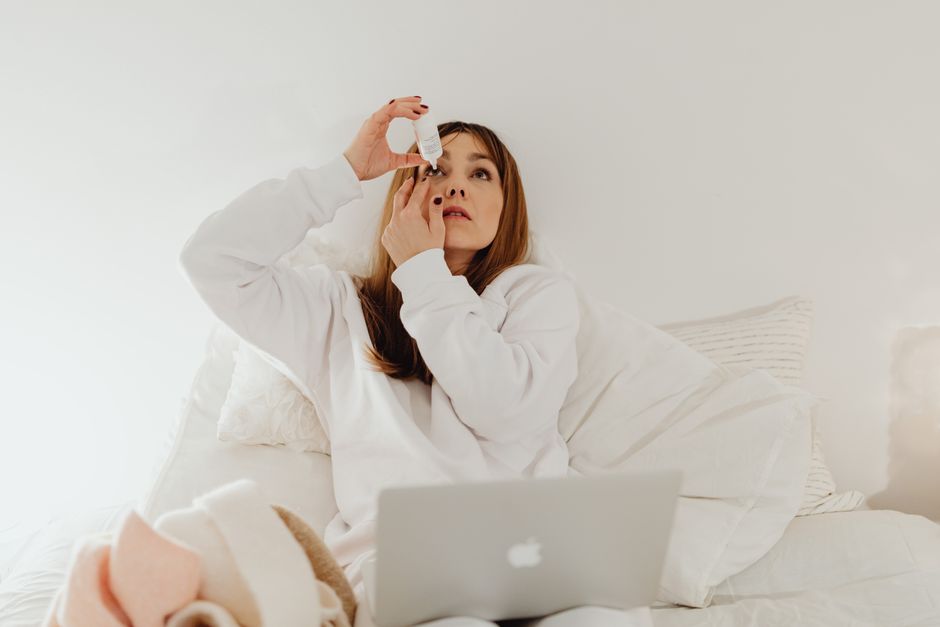
Watery eyes from allergies happen when your body releases histamine in response to pollen, dust, or pet dander. That histamine makes blood vessels in your eyes leak fluid and triggers tear glands to produce more tears. The fastest way to stop it is to remove the allergen from your eyes and use an antihistamine eye drop or oral antihistamine — most people get relief within minutes to a few hours, depending on which option they use.
Allergic eye symptoms are common and well understood. The tearing is real, not imagined, and it has a clear biological cause. Below is what actually works, what the evidence shows, and where popular advice falls short.
Why Do Allergies Make Your Eyes Water So Much?
Your eyes are built to flush out irritants. When an allergen like pollen lands on the surface of your eye, immune cells called mast cells recognize it as a threat and release histamine. Histamine does two things at once: it makes the small blood vessels in your conjunctiva (the clear membrane covering your eye) leak fluid, and it stimulates the lacrimal glands to produce more tears.
This is why allergic eyes look both red and wet. The redness comes from dilated blood vessels. The watering comes from tear overproduction. Itching is the third piece — histamine directly activates nerve endings that trigger the urge to rub.
One detail people often miss: rubbing your eyes makes everything worse. Mechanical rubbing triggers more mast cells to release more histamine. It becomes a loop. Stopping the rubbing is a real part of treatment, not just comfort advice.
What Is the Fastest Way To Stop Watery Eyes From Allergies?
Antihistamine eye drops act fastest on the eyes themselves. They block histamine receptors locally and typically relieve itching and tearing within minutes. Oral antihistamines work within about an hour for most people and help body-wide symptoms too, but they act more slowly on the eyes specifically.
For rapid relief, the practical sequence most clinicians suggest is:
- Flush the allergen out first — rinse your eyes with preservative-free saline or artificial tears
- Use an antihistamine eye drop if the problem is mainly your eyes
- Take an oral antihistamine if you also have sneezing, runny nose, or widespread symptoms
- Avoid rubbing entirely
Cold compresses help too. A cool, damp cloth over closed eyes for a few minutes constricts blood vessels and calms the burning and itching. It does not remove the allergen, but it reduces the reactive swelling.
If you wear contact lenses, remove them. Allergens collect on lens surfaces and keep triggering symptoms. Preservative-free artificial tears are generally safer with lenses than medicated drops. Ask a pharmacist or eye doctor which specific product is compatible with your lenses — this varies by product.
Which Allergy Eye Drops Work Best?
Several categories of eye drops are used for allergic eye symptoms, and they differ in how fast they work and what they treat. The evidence for antihistamine drops and combination antihistamine/mast-cell-stabilizer drops is strong. These are among the most commonly recommended options for allergic conjunctivitis.
| Drop type | How it works | Speed |
|---|---|---|
| Antihistamine drops | Block histamine receptors | Minutes |
| Antihistamine + mast-cell stabilizer | Block histamine and prevent mast cells from releasing more | Fast relief, plus prevention with regular use |
| Mast-cell stabilizers alone | Prevent histamine release | Slower — work best used before exposure |
| Artificial tears (preservative-free) | Flush allergens, lubricate | Immediate but short-lived |
| Decongestant drops | Constrict blood vessels, reduce redness | Fast, but not for long-term use |
Decongestant drops reduce redness quickly but do not treat the allergy itself. Used for more than a few days in a row, they can cause rebound redness when stopped. That is a well-documented effect, not a rare one.
Do not use steroid eye drops without a doctor’s supervision. They are effective for severe allergic eye inflammation but carry real risks, including raised eye pressure and increased infection risk, when used without monitoring.
Do Oral Antihistamines Help Watery Eyes?
Yes, but less directly than eye drops. Oral antihistamines block histamine throughout the body, so they help eye symptoms along with sneezing and nasal symptoms. They take roughly an hour to reach peak effect for most people.
Older antihistamines like diphenhydramine cause significant drowsiness and are not ideal for daytime use. Newer options — loratadine, cetirizine, fexofenadine — are less sedating for most people. Cetirizine can still cause drowsiness in some. Fexofenadine is generally the least sedating of the group.
Oral antihistamines can dry out your eyes as a side effect. If your eyes are already irritated, that dryness can add to the discomfort even as the allergy symptoms improve. This is one reason eye drops are often the better first choice when the eyes are the main problem.
How Can You Prevent Allergic Watery Eyes Before They Start?
Prevention beats treatment for seasonal allergies. If you know your triggers, you can reduce exposure before symptoms start.
- Check pollen counts and limit outdoor time on high-count days, especially in the morning and on windy days
- Wear wrap-around sunglasses outdoors to block pollen from reaching your eyes
- Shower and change clothes after being outdoors during allergy season
- Keep windows closed during high-pollen periods and use air conditioning
- Wash bedding regularly in hot water if dust mites are a trigger
- Start preventive eye drops before your known allergy season begins if a doctor recommends it
For people with predictable seasonal allergies, starting a mast-cell stabilizer drop a week or two before the season begins is a strategy some allergists recommend. These drops prevent mast cells from releasing histamine in the first place, but they need time to build up effectiveness.
When Should You See a Doctor About Watery Eyes?
Most allergic watery eyes are manageable at home. Some symptoms need medical attention.
See a doctor if you have eye pain, vision changes, sensitivity to light, thick or colored discharge, or symptoms that do not improve with over-the-counter treatment. These can signal infection or another condition that looks like allergies but is not.
Allergic conjunctivitis is usually itchy and affects both eyes. Bacterial conjunctivitis is more often one eye with sticky discharge. Viral conjunctivitis often follows a cold and may start in one eye. These patterns overlap, so a doctor’s exam is the reliable way to tell them apart.
Also see a doctor if you have a history of eye surgery, glaucoma, or wear contacts and develop sudden eye symptoms. Contact lens wearers have a higher risk of corneal problems, and what looks like allergy can occasionally be something more serious.
What Makes Watery Eyes Worse?
Rubbing is the biggest self-inflicted trigger. It releases more histamine and can, over time, contribute to thinning of the cornea in rare cases. Keep your hands away from your eyes.
Wind, smoke, and dry air irritate eyes that are already inflamed. So does wearing makeup during a flare — mascara and eyeliner can trap allergens and irritants against the eye surface.
Alcohol can worsen allergy symptoms for some people by causing vasodilation. It is not a major factor, but it does not help.
Contact lenses are a common aggravator. If your eyes are watery and itchy, switching to glasses until symptoms settle is a reasonable step.
The Bottom Line
Allergic watery eyes are caused by histamine release, and the fastest relief comes from flushing out the allergen and using antihistamine eye drops. Oral antihistamines help broader symptoms but act more slowly on the eyes. Cold compresses and avoiding rubbing support recovery. Prevention — limiting exposure and starting drops before allergy season — reduces how often symptoms happen at all.
If symptoms are severe, persistent, or come with pain or vision changes, get them checked. Allergy is the most likely cause of itchy, watery eyes, but it is not the only one.
Frequently Asked Questions
How fast do allergy eye drops work?
Antihistamine eye drops typically relieve itching and tearing within minutes. Combination antihistamine and mast-cell stabilizer drops provide fast relief and also help prevent symptoms with regular use.
Can I use regular Visine for allergy eyes?
Decongestant drops like Visine reduce redness but do not treat the allergy, and using them for more than a few days can cause rebound redness. Antihistamine drops are the better choice for allergic symptoms.
Why do my eyes water more when I rub them?
Rubbing physically triggers mast cells to release more histamine, which increases tearing and itching. Keeping your hands away from your eyes breaks that cycle.
Are watery eyes always caused by allergies?
No. Dry eye, infection, blocked tear ducts, and other conditions can also cause watery eyes. Itching in both eyes is more typical of allergy, but a doctor can confirm the cause.
