
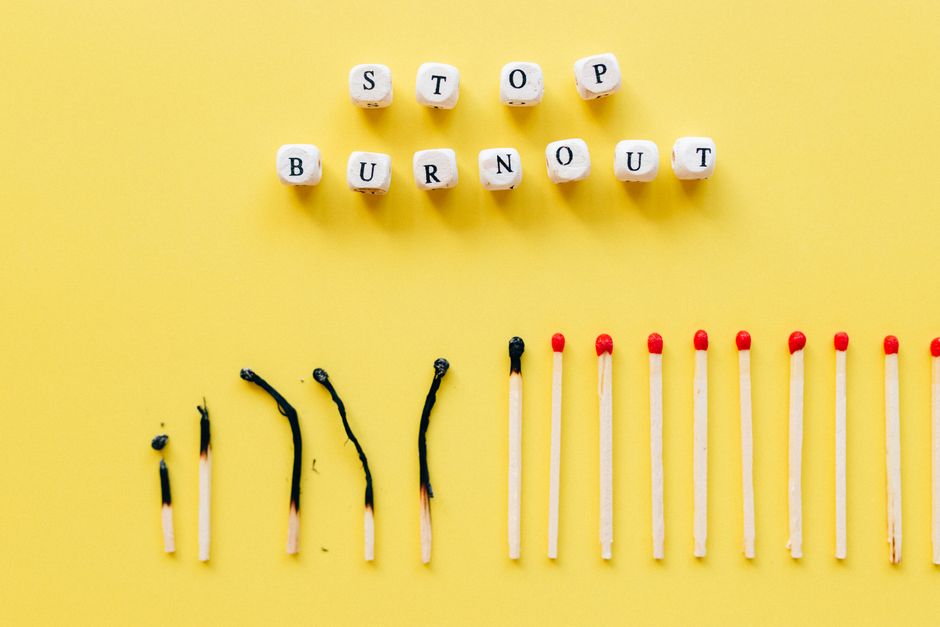
Trying too hard often backfires. It raises stress hormones, narrows your focus, and makes results harder to reach. The key is to shift from forcing outcomes to directing your energy with intention. You can stay fully committed to a goal while releasing the grip that makes the effort counterproductive. This means managing your nervous system, setting realistic standards, and understanding the difference between healthy effort and harmful strain.
What Does “Trying Too Hard” Do to Your Body and Brain?
When you try too hard, your brain perceives a threat. It activates the stress response, releasing cortisol and adrenaline. This is useful for a sprint but harmful for sustained work. Chronic stress impairs the prefrontal cortex, the area responsible for focus, planning, and problem-solving.
This creates a vicious cycle. You feel you are not progressing, so you push harder. The extra pressure increases stress, which further reduces your cognitive performance. Research consistently shows that high stress levels reduce working memory and cognitive flexibility. You are not weak for struggling under pressure; your brain is literally working against you.
Physically, chronic effort without recovery raises blood pressure and heart rate. It disrupts sleep. Poor sleep then reduces your ability to regulate emotions and make sound decisions. The effort becomes self-defeating on every level.
Why Does Forcing an Outcome Usually Make It Worse?
Forcing an outcome is different from working toward it. Forcing implies a rigid attachment to a specific result. When you are rigid, you miss alternative solutions. You also become more sensitive to setbacks, interpreting them as failures rather than data.
This is well documented in research on goal pursuit. Studies have found that people who focus on learning and improvement are more resilient than those who focus solely on performance outcomes. Learners adapt. Performers often freeze when things go wrong.
There is also a psychological concept called the law of reversed effort. When you try too hard to sleep, you stay awake. When you try too hard to remember a name, it escapes you. When you try too hard to be funny, the joke falls flat. The effort itself creates tension that blocks the natural process.
How To Stop Trying So Hard Without Giving Up
The goal is not to stop caring. The goal is to change how you apply effort. You want to move from a state of strain to a state of focused calm. This is sometimes called the flow state, and it is characterized by low effort and high performance.
Start by separating your identity from the outcome. You are not a failure if a project fails. You are a person who is learning. This mental shift reduces the threat response and allows your brain to work more efficiently.
Practice single-tasking. When you multitask, you are not doing two things at once. You are rapidly switching between tasks, which increases cognitive load and stress. Single-tasking allows deep focus, which feels less effortful because you are not constantly resetting your attention.
Set process goals instead of outcome goals. A process goal is something you control. For example, instead of saying, “I will finish this report today,” say, “I will write for 45 minutes without interruption.” Process goals reduce the pressure of the outcome and increase your sense of agency.





What Does “Giving Up” Actually Mean in This Context?
Giving up does not mean abandoning your standards. It means abandoning the struggle. It means accepting that you cannot control every variable. It means allowing yourself to be a beginner again if that is where you are.
There is a meaningful difference between quitting a goal and quitting a strategy. Quitting a strategy is intelligent. If a method is not working, you change it. Quitting the goal is a different decision, and it should be made deliberately, not out of exhaustion.
Many people confuse rest with giving up. Rest is not the enemy of progress. Rest is the recovery period that makes progress possible. Without adequate rest, you cannot consolidate learning or repair your body. The evidence is clear that sleep is essential for memory formation and physical recovery.
Practical Strategies to Reduce Strain and Maintain Progress
These strategies are grounded in established behavioral science and stress physiology. They are not quick fixes, but they do change how you experience effort.
- Use the 85% rule. When you are learning a new skill, aim for about 85% of your maximum effort. This leaves room for error and adjustment. Studies in motor learning suggest that this level of challenge is optimal for skill acquisition.
- Schedule deliberate breaks. The brain cannot sustain intense focus indefinitely. Research on attention suggests that taking short breaks every 60–90 minutes improves overall productivity and reduces fatigue.
- Practice self-compassion. Studies have found that people who respond to setbacks with kindness rather than criticism are more likely to re-engage with their goals. Self-criticism increases stress and reduces motivation.
- Reduce the number of decisions you make. Decision fatigue is real. If you are trying hard on an important project, do not waste mental energy on trivial choices. Simplify meals, clothing, and routines to preserve cognitive capacity.
- Monitor your breathing. When you notice yourself straining, check your breath. Shallow, rapid breathing is a sign of stress. Slowing your breath to about six breaths per minute activates the parasympathetic nervous system and lowers heart rate.
How Do You Know If You Are Trying Too Hard?
There are clear physical and psychological signs. If you have frequent tension headaches, tight shoulders, or jaw clenching, your body is telling you that you are overexerting. If you feel irritable, have trouble sleeping, or lose interest in things you used to enjoy, these are warning signs.
Another sign is diminishing returns. If you are working longer but producing less, you are likely in a state of strain. If you re-read the same paragraph three times without understanding it, your cognitive resources are depleted.
You might also notice that you are micromanaging. If you cannot delegate tasks or trust others to do things their own way, you are likely trying to control too much. This is a common pattern for people who feel responsible for everything.
The Role of Acceptance in Sustainable Effort
Acceptance is not passive resignation. Acceptance is the recognition of what is true in the present moment. When you accept that a task is difficult, you stop wasting energy fighting the difficulty. You can then use that energy to actually do the work.
Acceptance also applies to your limitations. You cannot work at peak performance for ten hours a day. You cannot be creative on demand. You cannot control how others perceive you. Accepting these realities is not giving up. It is the foundation of a realistic plan.
Some research in acceptance and commitment therapy shows that psychological flexibility predicts better mental health outcomes. Psychological flexibility means being able to stay present with difficult thoughts and feelings without being controlled by them. This allows you to act in line with your values, even when things are hard.
When Pushing Harder Is the Right Choice
There are times when pushing through discomfort is necessary. This is true in athletic training, in acute emergencies, and during short-term deadlines. The key is that these pushes must be time-limited and followed by deliberate recovery.
Chronic pushing is different. If you are in a state of high effort for weeks or months without adequate recovery, you are at risk of burnout. Burnout is not a motivational problem. It is a physiological state characterized by exhaustion, cynicism, and reduced efficacy.
To push hard safely, you need a baseline of good health. This includes adequate sleep, proper nutrition, and regular physical activity. Pushing on a broken foundation only leads to injury or illness.
How To Build a Sustainable Rhythm of Effort and Rest
Think of your energy like a wave, not a straight line. It goes up and it comes down. Working with this rhythm means alternating periods of focused effort with periods of genuine rest. This is the pattern of elite athletes and high performers in many fields.
Create a daily structure that includes both. For example, you might do your most difficult cognitive work in the morning when your energy is highest. Then schedule lighter tasks for the afternoon. Build in a walk after lunch. Walk breaks have been shown to improve mood and creative thinking.
Protect your evenings. High effort late at night interferes with sleep onset and sleep quality. If you are trying hard to solve a problem, the best thing you can do is stop and sleep. Your brain consolidates information during sleep, and many people report waking up with a solution.
Frequently Asked Questions
Is it possible to give up trying so hard without losing motivation?
Yes, it is possible. Motivation often increases when you reduce the pressure you put on yourself. Easing the strain allows you to enjoy the process, which sustains your interest over time.
What is the difference between healthy effort and trying too hard?
Healthy effort is sustainable and focused. Trying too hard is driven by anxiety and often involves a lack of recovery. Healthy effort feels challenging but manageable, while overexertion feels exhausting and produces diminishing returns.
How long does it take to break the habit of overexertion?
There is no fixed timeline, but behavioral change typically takes weeks of consistent practice. You will notice small shifts in your stress levels and productivity within a few days. Lasting change comes from repeating new patterns until they become your default.
