
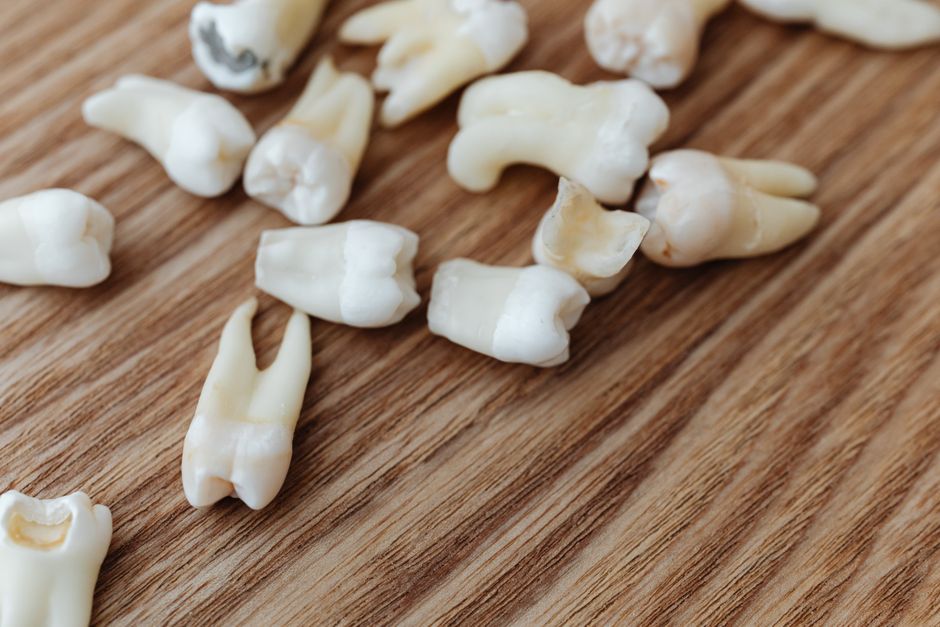
Tooth decay is not a sudden event. It is a slow, measurable process that happens when bacteria in plaque ferment sugars and produce acid that dissolves tooth enamel. You can slow or stop that process by cutting how often teeth are exposed to sugar, using fluoride consistently, keeping saliva flowing, and getting professional care when a cavity has already formed. Diet and fluoride do most of the work, but neither one replaces the other.
What Actually Causes Tooth Decay?
Decay is a chemical process, not a hygiene failure. Certain bacteria that live in dental plaque — mainly Streptococcus mutans and Lactobacillus species — metabolize fermentable carbohydrates and release acid as a waste product.
That acid drops the pH at the tooth surface. When the environment stays acidic long enough, minerals dissolve out of the enamel in a process called demineralization. Saliva normally reverses this by neutralizing acid and redepositing calcium and phosphate back into the enamel, which is remineralization.
Decay happens when demineralization outpaces remineralization over time. The key variable is not how much sugar you eat in a day. It is how often your teeth are under acid attack and how much time saliva gets to repair the damage in between.
This is why sipping a sugary drink over two hours does more harm than eating a dessert in ten minutes. Frequency matters more than total quantity in most cases.
How To Stop Tooth Decay With Diet Changes
The most effective dietary change is reducing how frequently teeth are exposed to fermentable carbohydrates, not just how much of them you eat.
Fermentable carbohydrates include sucrose, glucose, fructose, and cooked starches. Crackers, chips, and white bread can feed cavity-causing bacteria just as effectively as candy because starch breaks down into sugars in the mouth.
What helps most:
- Limit eating events to meals rather than grazing throughout the day
- Avoid sipping sugary or acidic drinks slowly over long periods
- Drink water after eating to help clear food particles and buffer acid
- Choose cheese, nuts, or plain yogurt as snacks — these do not lower plaque pH the way sugars do
- Chew sugar-free gum with xylitol after meals, which stimulates saliva flow
Xylitol is worth a specific note. Some clinical trials suggest chewing xylitol-sweetened gum several times a day may reduce cavity rates, though results across studies are not fully consistent. It is not a substitute for fluoride, but it does not feed cavity-causing bacteria the way sucrose does.
One non-obvious point: the order you eat matters less than most people think. What matters is whether the teeth get a recovery period. If you eat a sweet snack and then immediately brush or rinse with water, the acid exposure is short. If you snack continuously, the teeth never get that recovery window.
How Does Fluoride Stop Tooth Decay?
Fluoride works in two distinct ways, and both matter.
Systemically, when fluoride is ingested during tooth development in childhood, it becomes incorporated into the enamel crystal structure as fluorapatite. Fluorapatite is less soluble in acid than the original hydroxyapatite. This is why community water fluoridation reduces cavity rates in children.
Topically, fluoride from toothpaste, mouthwash, and professional treatments does something different. It promotes remineralization of early enamel lesions and forms a calcium fluoride-like layer on the tooth surface that acts as a reservoir. When acid hits, that reservoir releases fluoride to help block demineralization.
This topical effect is the main reason fluoride toothpaste works in adults, not just children. Adults benefit from fluoride throughout life.
What the evidence shows: fluoride toothpaste at concentrations of 1,000 to 1,500 parts per million reduces cavities compared to non-fluoride toothpaste. This is one of the most consistently replicated findings in dental research. Higher-concentration products, typically 5,000 ppm, are available by prescription and are generally recommended for people at elevated risk of decay.
Fluoride varnish applied professionally has also been shown in multiple trials to reduce cavity progression, particularly in children and in adults with exposed root surfaces.




Does Fluoride Have Risks?
At recommended levels, the main documented risk of fluoride is dental fluorosis — white spots or mottling on developing teeth — which occurs when children are exposed to too much fluoride during the years their permanent teeth are forming, roughly ages 1 to 8.
This is a cosmetic issue, not a health threat. It is also why fluoride toothpaste should be used in very small amounts for young children, and why swallowing toothpaste should be avoided.
Concerns about fluoride and thyroid function, IQ, or cancer have been raised in some studies. The evidence here is mixed and contested. Major public health and dental organizations continue to support water fluoridation at recommended levels based on the weight of evidence for cavity prevention. This is a genuinely debated area in the research literature, and it is fair to say the evidence on some of these questions is not settled.
What is not debated: fluoride toothpaste reduces cavities. That finding is robust.
What Else Helps Beyond Diet and Fluoride?
Saliva is the body’s built-in repair system. Anything that reduces saliva flow increases cavity risk.
Common causes of dry mouth include medications (antihistamines, antidepressants, blood pressure drugs, and many others), autoimmune conditions like Sjögren’s syndrome, and aging. If your mouth is persistently dry, that is worth discussing with a dentist or physician because it changes your cavity risk substantially.
Other factors that matter:
- Brushing twice daily with fluoride toothpaste and cleaning between teeth once a day
- Treating acid reflux, which exposes teeth to stomach acid
- Avoiding frequent snacking on dried fruit, which is sticky and high in sugar
- Managing conditions like diabetes that affect saliva and healing
- Sealants on chewing surfaces of back teeth, which are effective for cavity prevention in children and adolescents
Sealants are a good example of a preventive measure with solid evidence behind it. They physically block food and bacteria from the deep grooves where brushing cannot reach.
Can Tooth Decay Be Reversed?
Early decay can be stopped and partially reversed. Once a cavity has formed — meaning the enamel surface has broken down and the lesion has reached the dentin — it cannot heal on its own.
The earliest stage is a white spot lesion. Enamel has lost minerals but the surface is still intact. At this stage, fluoride, improved hygiene, and dietary changes can allow remineralization to occur and the lesion to arrest.
Once a hole forms, a dentist needs to remove the decayed tissue and place a filling. If decay reaches the pulp, where the nerve and blood vessels sit, a root canal or extraction may be needed.
This is why early detection matters. A dentist can often catch a lesion while it is still reversible. Once you feel pain, the decay has usually progressed further.
When Should You See a Dentist?
See a dentist if you notice a persistent sensitivity to sweet, hot, or cold foods, visible dark spots or holes in a tooth, pain when biting, or bleeding gums.
Routine checkups matter because early decay often has no symptoms. A dentist can detect a lesion before you feel anything. The recommended frequency of checkups varies by individual risk, and there is no single schedule that fits everyone. Some people need visits every six months, others less often, and some more often.
If you have not seen a dentist in years, the first visit is usually an exam and X-rays to establish a baseline. From there, a schedule can be set based on your actual risk.
Frequently Asked Questions
Can tooth decay go away on its own?
Early demineralization can be stopped or partially reversed with fluoride and diet changes, but a formed cavity cannot heal on its own. Once the enamel surface breaks down, a dentist needs to remove the decay and place a filling.
How often should I use fluoride toothpaste?
Twice daily is the standard recommendation for adults and children old enough to spit. Children under 3 should use only a smear of fluoride toothpaste, and children 3 to 6 should use a pea-sized amount with supervision to avoid swallowing.
Does sugar-free gum actually help prevent cavities?
Chewing sugar-free gum, especially with xylitol, increases saliva flow, which helps neutralize acid and clear food particles. Some trials suggest it reduces cavity rates, though results are not fully consistent across studies.
Is fluoride safe for adults?
Fluoride toothpaste and professionally applied fluoride are considered safe for adults at recommended levels. The main documented risk, dental fluorosis, affects only developing teeth in young children, not adults.
