
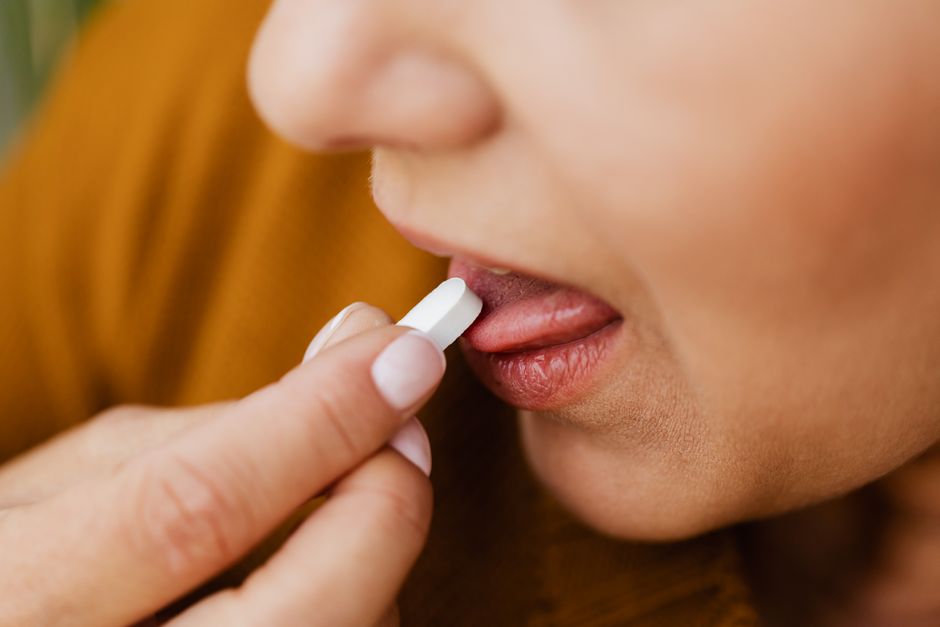
Stopping famotidine suddenly can cause stomach acid to surge back, leading to heartburn and indigestion that feels worse than before. The safest way to stop is to reduce your dose gradually over several weeks, not stop cold turkey. The exact plan depends on your dose, how long you have taken it, and why you started it in the first place.
What Is Famotidine and How Does It Work?
Famotidine belongs to a class of drugs called H2 receptor antagonists, or H2 blockers. It works by blocking histamine from binding to H2 receptors in the stomach lining. This reduces the amount of acid your stomach produces.
Unlike proton pump inhibitors (PPIs) such as omeprazole, famotidine works quickly but does not shut down acid production as completely. Many people take it for heartburn, acid reflux, or gastroesophageal reflux disease (GERD). It is available over the counter and by prescription at higher doses.
The key thing to understand is that your stomach becomes used to having less acid. When you stop the drug, your stomach may temporarily produce more acid than it did before you started. This is called rebound acid hypersecretion.
Why Does Rebound Happen When You Stop Famotidine?
Your stomach constantly adjusts acid production based on need. When famotidine suppresses acid, your body responds by increasing the number of acid-producing cells and ramping up the signals that tell those cells to work.
When the drug is removed, those signals are still strong. Your stomach continues producing high levels of acid until it realizes the drug is gone and recalibrates. This rebound effect usually lasts a few days to a couple of weeks.
The severity of rebound depends on how long you have been taking the medication. Someone taking famotidine for two weeks will likely have a much milder rebound than someone taking it for two years. The dose matters too. Higher doses cause more rebound.
How To Stop Taking Famotidine Without Rebound
The most reliable method is a gradual taper. Cut your dose in half for one to two weeks, then take that lower dose every other day for another week, then stop. This gives your stomach time to adjust its acid production back to normal.
For example, if you take 20 mg twice a day, first drop to 20 mg once a day. Stay there for one to two weeks. Then take 20 mg every other day for another week. Then stop.
If you take 20 mg once a day, drop to 10 mg once a day for one to two weeks. Then take 10 mg every other day for a week. Then stop.
If you take 40 mg once a day, drop to 20 mg once a day first. Then follow the same pattern.
This is a general guideline, not a prescription. Your doctor may recommend a different schedule based on your specific situation. Some clinicians recommend an even slower taper for people who have taken the drug for months or years.





What To Expect During the Taper
You may still experience some rebound symptoms even with a slow taper. This is normal. Mild heartburn, indigestion, or a feeling of fullness can occur as your stomach adjusts.
These symptoms are usually temporary. They should gradually improve over one to two weeks after your last dose. If symptoms are severe or last longer than a few weeks, talk to your doctor.
Some people find it helpful to use antacids like calcium carbonate during the taper for occasional breakthrough heartburn. Antacids work differently than famotidine. They neutralize acid already in the stomach rather than reducing acid production. They are safe for short-term use.
Lifestyle Changes That Make Stopping Easier
Diet and habits play a real role in how smoothly your taper goes. Foods that trigger reflux — spicy meals, fried foods, citrus, tomatoes, caffeine, and alcohol — can make rebound symptoms worse. Reducing these during the taper can help.
Eating smaller meals more frequently puts less pressure on the lower esophageal sphincter, the valve that keeps stomach acid from flowing backward. Large meals stretch the stomach and increase reflux risk.
Avoid eating within three hours of lying down. Gravity helps keep acid in your stomach when you are upright. Lying down with a full stomach makes reflux much more likely.
Elevating the head of your bed by six to eight inches can also reduce nighttime reflux. This is a well-established recommendation for people with GERD.
Weight loss, if you are overweight, is one of the most effective long-term strategies for reducing reflux symptoms. Excess abdominal fat increases pressure on the stomach and weakens the lower esophageal sphincter.
When To Talk to Your Doctor Before Stopping
If you have been taking famotidine for a long time, especially at prescription doses, talk to your doctor before stopping. Your doctor can help you create a taper schedule and monitor your progress.
You should also talk to your doctor if you have been diagnosed with GERD, esophagitis, or a stomach ulcer. Stopping acid suppression without a plan could cause your underlying condition to flare up.
Do not stop famotidine suddenly if you are also taking a blood thinner, certain antifungal medications, or other drugs that interact with stomach acid levels. Acid affects how some medications are absorbed. Your doctor can tell you if this applies to you.
Why You Should Not Stop Cold Turkey
Stopping famotidine abruptly is not dangerous in the way that stopping certain blood pressure or seizure medications can be. There is no immediate medical emergency from stopping it suddenly.
However, rebound acid can be very uncomfortable. Some people experience heartburn that is worse than their original symptoms. This can lead them to restart the medication, creating a cycle that is hard to break.
There is also a risk that rebound symptoms could mask the return of your original condition. If you stop suddenly and develop severe heartburn, it can be hard to tell whether it is rebound or your GERD coming back.
A gradual taper avoids most of this confusion. It separates the temporary rebound effect from your underlying condition, making it easier to see what your true baseline is.
What If You Have Been Taking Famotidine for Years?
Long-term use of H2 blockers is generally considered safe, but it is not without concerns. Some research suggests that chronic acid suppression may increase the risk of certain nutrient deficiencies, particularly vitamin B12, because stomach acid is needed to absorb it.
If you have been taking famotidine for years, your doctor may recommend checking your vitamin B12 levels. This is a reasonable precaution, though the risk is lower with H2 blockers than with PPIs.
A slower taper is generally recommended for long-term users. Dropping your dose over four to six weeks rather than two may reduce rebound symptoms. Your doctor can help you decide what is appropriate.
Common Mistakes People Make When Stopping
The most common mistake is stopping too quickly. People cut their dose for a few days, feel fine, and stop. Then rebound hits a few days later and they restart the medication.
Another mistake is switching directly to a PPI during the taper. Taking a PPI instead of famotidine does not eliminate rebound. It just moves the problem to a different drug, and PPIs can cause more rebound when you stop them.
Some people also mistake rebound symptoms for a return of their original condition. This leads them to stay on famotidine indefinitely. If your symptoms during the taper are similar to your pre-treatment symptoms, that may be rebound. If they are worse or different, talk to your doctor.
Frequently Asked Questions
How long does famotidine rebound last?
Rebound acid symptoms typically last a few days to two weeks after your last dose. A gradual taper can reduce both the severity and the duration of these symptoms.
Can I cut famotidine tablets in half?
Over-the-counter famotidine tablets are usually scored, meaning they can be split safely. Check the tablet for a score line and use a pill splitter for an accurate dose.
What can I take for heartburn while stopping famotidine?
Antacids like calcium carbonate or magnesium hydroxide can be used for occasional breakthrough symptoms during your taper. They neutralize acid in the stomach but do not affect acid production.
Is it safe to take famotidine every day long term?
Long-term daily use is generally considered safe for most people, but you should have a doctor monitor you. Discuss your reasons for continued use and review the risks and benefits with your healthcare provider.
Stopping famotidine is a process, not a single event. Plan your taper, expect some temporary discomfort, and use lifestyle changes to support your stomach during the transition. If you have concerns about your dose or your underlying condition, your doctor is the best person to guide you.
