
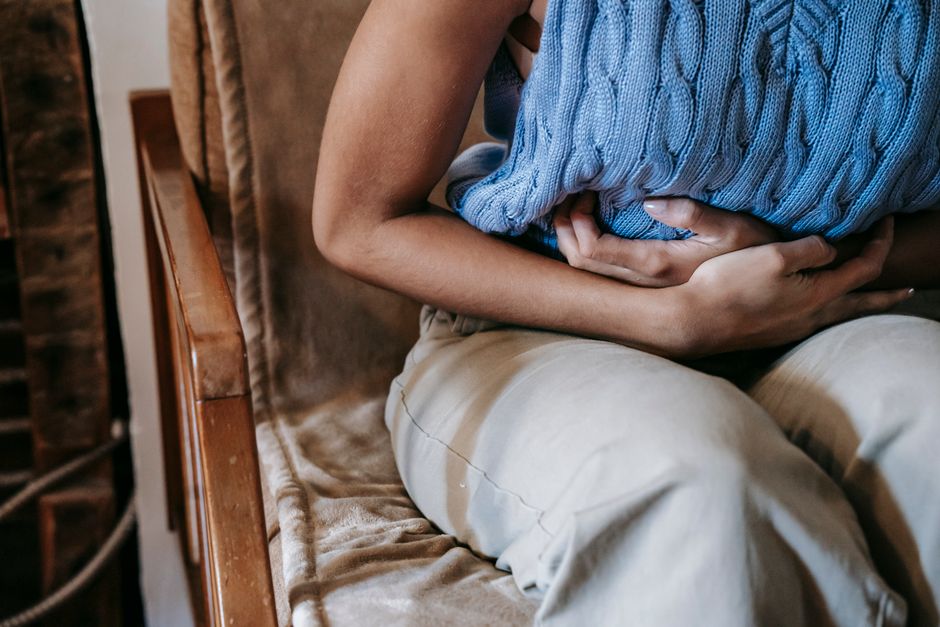
Anxiety can hit your stomach as hard as it hits your mind. That cramping, churning, or knotting feeling is real, and it happens because your brain and gut are wired together directly. You can stop or reduce this pain by calming the nervous system, changing how you breathe, and adjusting what you eat and drink in the moment. The fastest relief comes from slow, deep breathing and grounding techniques, but longer-term changes to diet and stress management make the pain less frequent over time.
Why Does Anxiety Cause Stomach Pain?
Your gut has its own nervous system with hundreds of millions of nerve cells. It is often called the “second brain.” This enteric nervous system talks directly with your brain through the vagus nerve.
When you feel anxious, your brain signals a stress response. It releases hormones like cortisol and adrenaline. These hormones slow digestion, reduce blood flow to the stomach, and increase acid production. The result is cramping, nausea, bloating, or a feeling of fullness.
Stress also changes the movement of food through your intestines. It can speed things up, causing diarrhea, or slow things down, causing constipation. Both can produce significant abdominal pain.
How To Stop Stomach Pain From Anxiety Right Now
When the pain hits, you want relief quickly. The most effective immediate tools target your nervous system, not your stomach directly.
Diaphragmatic breathing is the first step. Place one hand on your chest and one on your belly. Breathe in slowly through your nose for four seconds. Your belly should rise while your chest stays still. Breathe out through your mouth for six seconds. Repeat for two to five minutes. This activates the parasympathetic nervous system, which is the “rest and digest” state. It directly counteracts the stress response causing the pain.
Progressive muscle relaxation also helps. Tense a muscle group for five seconds, then release. Work from your toes up to your shoulders. This gives your body a physical task that interrupts the anxiety cycle.
Grounding techniques pull your attention away from the fear and back to the present. Try the 5-4-3-2-1 method. Name five things you can see, four you can touch, three you can hear, two you can smell, and one you can taste. This is not a distraction. It is a way to lower the brain’s alarm signal.
Heat can relax tense abdominal muscles. A warm compress or heating pad on your stomach for 15 minutes may ease cramping. Avoid heat if your pain is sharp or if you have a fever, as this could indicate a different problem.
What To Eat and Drink When Anxiety Upsets Your Stomach
What you consume during an anxiety episode matters. Some things make the pain worse, and some things calm it.
Start with water. Sip it slowly. Dehydration makes cramps worse. Avoid ice-cold liquids, which can trigger spasms in a sensitive gut.
Ginger tea is one of the most reliable options. Ginger has compounds that help reduce nausea and settle the stomach. Peppermint tea can relieve cramping, but use caution. Peppermint can worsen acid reflux in some people.
Eat small, bland snacks if you can tolerate food. Crackers, toast, bananas, or plain rice are gentle on the stomach. Avoid fatty, spicy, or highly processed foods during an anxiety episode. They take longer to digest and can increase discomfort.
Avoid caffeine and alcohol when you feel anxious. Caffeine is a stimulant. It increases heart rate and can amplify the physical symptoms of anxiety, including stomach pain. Alcohol irritates the stomach lining and disrupts sleep, which can create a cycle of more anxiety.
Do not drink carbonated beverages. The gas adds pressure to an already sensitive digestive tract.





When Stomach Pain Is Not From Anxiety
Anxiety can cause real stomach pain, but not all stomach pain is anxiety. You need to know the difference because some conditions require medical care.
See a doctor if you have any of these signs:
- Pain that wakes you from sleep
- Blood in your stool or vomit
- Unexplained weight loss
- Fever with abdominal pain
- Pain that is severe or worsening
- Difficulty swallowing
- Pain that lasts for weeks without relief
Conditions like irritable bowel syndrome, ulcers, gallstones, or inflammatory bowel disease can produce symptoms similar to anxiety-related stomach pain. Anxiety can also make these conditions worse. A doctor can run tests to rule out structural causes before you assume everything is stress-related.
If your pain is mild and clearly tied to stressful events, anxiety is a likely cause. If the pain is constant, severe, or unrelated to your stress levels, seek medical evaluation.
Long-Term Strategies To Reduce Anxiety Stomach Pain
Stopping the pain in the moment is only half the solution. To reduce how often it happens, you need to address the underlying anxiety and the sensitivity of your gut.
Regular physical activity is well established as an effective way to reduce anxiety symptoms. Exercise burns off stress hormones and releases endorphins. It also promotes healthy digestion through movement. Aim for consistent moderate activity like walking, swimming, or cycling rather than occasional intense workouts.
Sleep quality directly affects your stress response. Poor sleep raises cortisol levels the next day. This makes you more reactive to stress and more likely to feel stomach symptoms. Prioritize a consistent sleep schedule and aim for seven to nine hours per night.
Mindfulness-based stress reduction has research support for reducing both anxiety and digestive symptoms. This is not about emptying your mind. It is about noticing anxious thoughts without letting them trigger a full stress response. Regular practice changes how your brain responds to stressors over time.
Limiting alcohol and tobacco is important. Both irritate the stomach lining and increase anxiety symptoms. Cutting back on either can reduce both the pain and the anxiety driving it.
What About Medications and Supplements?
Some over-the-counter products target stomach pain directly. Antacids neutralize stomach acid and can help if your pain involves heartburn or acid reflux. Simethicone products reduce gas buildup. These treat symptoms but do not address the anxiety that triggers them.
Anti-anxiety medications can reduce stomach pain if the pain is driven by anxiety. Selective serotonin reuptake inhibitors (SSRIs) are commonly prescribed for anxiety disorders. They work over weeks, not minutes. They require a prescription and should be managed by a doctor.
Some clinicians recommend probiotic supplements for gut health. The evidence for specific strains and doses is still developing. No clinical guidelines currently recommend a specific probiotic for anxiety-related stomach pain. If you choose to try one, quality varies between brands, and results vary between individuals.
Certain herbal supplements like chamomile or lemon balm are used for anxiety. Some research suggests they may have mild calming effects. The evidence is limited, and supplements are not regulated like medications. Tell your doctor about any supplements you take, especially if you are on other medications.
Do not self-medicate with alcohol or unprescribed sedatives. These may provide temporary relief but worsen the problem over time and carry significant health risks.
When To Seek Professional Help for Anxiety
If stomach pain from anxiety happens regularly, it is worth addressing the anxiety itself. Cognitive behavioral therapy (CBT) has strong evidence for treating anxiety disorders. It teaches specific skills to identify and change anxious thought patterns.
Gut-directed hypnotherapy is another option. Research has found it helpful for irritable bowel syndrome, and some clinicians recommend it for functional gut issues linked to stress. It uses relaxation and suggestion to change how the brain processes gut signals.
Your primary care doctor is a good first step. They can rule out physical causes and refer you to a mental health professional if appropriate. Many people benefit from a combined approach that includes therapy, medication, and lifestyle changes.
Anxiety is a treatable condition. Stomach pain from anxiety is a symptom of that condition, not a separate disease. Treating the anxiety effectively usually reduces or eliminates the stomach symptoms.
Frequently Asked Questions
How long does anxiety stomach pain last?
Anxiety stomach pain typically lasts as long as the stress response stays active, which can be minutes to hours. Once you calm your nervous system, the pain usually fades within 30 to 60 minutes.
Can anxiety cause sharp stabbing stomach pain?
Yes, anxiety can cause sharp cramping or stabbing sensations due to muscle spasms in the intestinal wall. However, sudden severe pain should be evaluated by a doctor to rule out other causes.
Does drinking water help anxiety stomach pain?
Drinking water slowly can help if dehydration is contributing to cramps. Sip room-temperature water rather than cold water, which can trigger spasms.
What is the best position to relieve anxiety stomach pain?
Lying on your left side can help relieve gas and promote digestion. You can also try pulling your knees toward your chest while lying on your back to relax abdominal muscles.
