
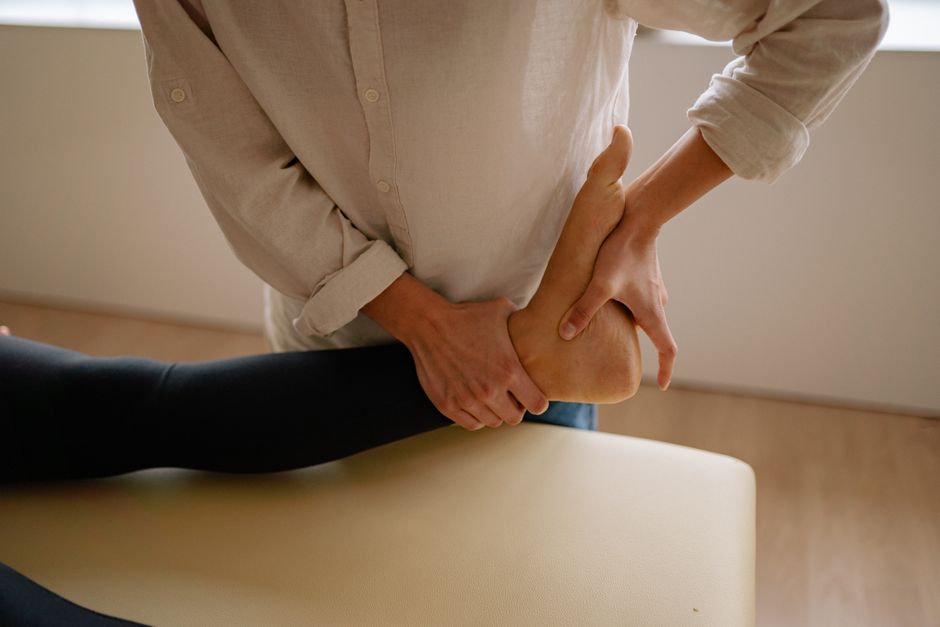
You cannot stop muscle soreness from working out for good, because soreness is a normal part of how muscle adapts to new or harder effort. What you can do is reduce how often it happens and how bad it gets. The reliable approach is gradual progression, a proper warm-up, and enough recovery time between hard sessions. Soreness that keeps returning after every workout usually means the training plan is changing too fast, not that something is wrong with your body.
What Actually Causes Soreness After a Workout?
The soreness you feel a day or two after exercise has a name: delayed onset muscle soreness, or DOMS. It is not caused by lactic acid. That idea has been repeated for decades and it is wrong. Lactate clears from muscle within roughly an hour after exercise, long before soreness peaks.
DOMS comes from microscopic damage to muscle fibers, especially during movements that lengthen the muscle under load. Think of lowering a weight slowly, running downhill, or the first squat session in months. The muscle fibers sustain tiny tears. The soreness that follows is part of an inflammatory repair process.
The peak typically arrives 24 to 72 hours after the workout. This is why a hard session on Monday can leave you stiffest on Wednesday. The sensation fades on its own, usually within a few days.
Here is a detail many people miss: soreness is not a measure of workout quality. A session can build real strength and cause almost no soreness. And a session that leaves you unable to walk down stairs is not automatically better. The repeated bout effect explains why — after your muscles adapt to a movement, the same workout causes far less soreness the next time.
How To Stop Soreness From Working Out For Good
You cannot eliminate soreness permanently, but you can make it rare and mild. The single biggest factor is how you progress your training. Muscle adapts to what you ask of it, and it adapts faster when the increase is small and steady.
Practical steps that hold up:
- Increase gradually. Add weight, distance, or reps in small steps rather than large jumps. A sudden doubling of volume is the most common trigger for severe soreness.
- Repeat movements often. The repeated bout effect means the second and third sessions of a new exercise hurt much less than the first. Spacing a new movement two weeks apart keeps you in the sore zone.
- Warm up properly. Light activity and a few easy sets of the movement you are about to do raise muscle temperature and prepare the tissue.
- Build a base before intensity. Beginners get more soreness than trained people doing the same work, because untrained muscle is more vulnerable to damage.
- Sleep and eat enough. Recovery happens between sessions. Short sleep and low protein intake do not help the repair process.
None of these will make soreness vanish the first time you try something new. What they do is shrink the gap between what your muscles can handle and what you ask of them, which is the actual driver of soreness.
Does Stretching or Foam Rolling Prevent Soreness?
Not really, and this is where a lot of fitness advice overpromises. Stretching before or after exercise has not been shown to prevent DOMS in controlled studies. It may feel good and it may help range of motion, but it does not stop the muscle damage that causes soreness.
Foam rolling and massage show modest effects in some studies. People often report feeling less sore, but the measured differences tend to be small and inconsistent. Some research suggests massage may slightly reduce soreness perception, but the evidence is not strong enough to call it a reliable prevention method.
What these tools can do is help you feel better in the moment. That has value. It is just not the same as preventing soreness.
Cold water immersion and ice baths are popular for recovery. The evidence here is mixed. Some studies find small reductions in soreness; others find little difference. There is also a question of whether routinely blunting inflammation after strength training could interfere with muscle growth over time. The research on that point is not settled.




What Helps Once You Are Already Sore?
Once DOMS has set in, nothing erases it quickly. The honest position is that most remedies shorten the discomfort slightly or make it more tolerable, and time does the rest.
Things people find helpful:
- Light movement, such as walking or easy cycling, which can reduce stiffness
- Gentle massage or foam rolling
- Heat, such as a warm shower or bath, for temporary comfort
- Over-the-counter pain relievers for significant discomfort
On pain relievers, a note of caution. NSAIDs like ibuprofen can ease soreness, but some research suggests routine use around strength training may slightly blunt muscle adaptation. Occasional use for real discomfort is a different situation from taking them after every workout. If you are unsure, ask a pharmacist or clinician.
What does not work: pushing through severe soreness with another hard session. That stacks damage on damage and raises injury risk. If a muscle is genuinely painful rather than just sore, rest it.
When Is Soreness a Warning Sign?
Normal DOMS is a dull, diffuse ache in the muscles you worked. It shows up hours later, peaks over a day or two, and eases with light movement. It affects both sides of the body roughly equally when the exercise was symmetrical.
Some signs mean something else is going on:
- Sharp or localized pain rather than a broad ache
- Soreness that appears during the workout rather than hours later
- Swelling, or urine that turns dark brown or cola-colored
- Severe weakness that does not improve over several days
- Soreness lasting well beyond about a week
Dark or brown urine after extreme exertion is a medical emergency. It can signal rhabdomyolysis, a breakdown of muscle tissue that can damage the kidneys. This is rare but serious, and it needs immediate care.
Pain that is sharp, one-sided, or tied to a specific joint is more likely a strain or injury than DOMS. That distinction matters, because the response is different — rest and possibly assessment rather than another workout.
Should You Train While Sore?
Mild soreness is not a reason to skip training. Light activity often makes sore muscles feel better, and movement supports blood flow to the area. If you can move normally and the soreness is mild, easy training is reasonable.
Heavy soreness is different. If a muscle is significantly painful or weak, working it hard again delays recovery and raises injury risk. Train a different area, or do something light, and let the sore muscle recover.
The bigger picture is that soreness is feedback, not a score. Chasing soreness as proof of a good workout leads people to overtrain and get hurt. The goal is consistent training over months and years, and that requires managing soreness rather than seeking it.
Can You Build Fitness Without Getting Sore at All?
Largely, yes — once you are trained. People who follow a steady program with gradual progression often go months with little to no soreness while still gaining strength and endurance. The repeated bout effect does most of this work.
Soreness tends to show up when something changes: a new exercise, a big jump in volume, a return after time off, or a much harder session than usual. That is why a well-designed program that progresses slowly produces less soreness than random hard workouts.
So the goal is not zero soreness forever. It is a training plan where soreness is the exception, not the routine — and where you know the difference between ordinary muscle soreness and a warning sign that needs attention.
Frequently Asked Questions
How long does soreness last after working out?
Delayed onset muscle soreness usually peaks 24 to 72 hours after exercise and eases within a few days. Soreness lasting more than about a week is a reason to check with a clinician.
Does stretching prevent muscle soreness?
No. Controlled studies have not shown that stretching before or after exercise prevents delayed onset muscle soreness. It may help range of motion and feel good, but it does not stop the muscle damage that causes soreness.
Is it bad to work out while sore?
Mild soreness is not a reason to skip training, and light movement often helps. If a muscle is significantly painful or weak, train a different area and let it recover instead of working it hard again.
Why do I get sore after every workout?
Getting sore after nearly every session usually means your training is changing too fast, such as big jumps in weight or volume, or you are not repeating the same movements often enough to adapt. Slower, more consistent progression typically reduces how often soreness happens.
