
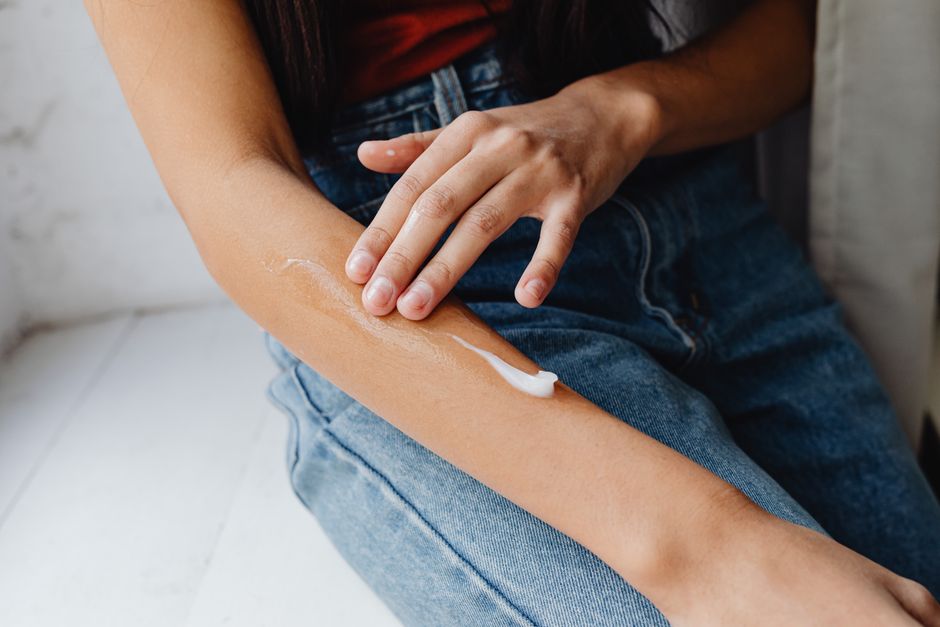
Itching feels like it lives in your skin, but it starts in your nervous system. That is why the fastest relief usually comes from cooling the skin and calming the nerve signals underneath it, not from scratching harder. A cool compress, a lukewarm shower, and an over-the-counter anti-itch cream can quiet mild itching within minutes. Itching that lasts more than two weeks, spreads, or comes with a rash, swelling, or trouble breathing needs a doctor’s attention.
Why Does Scratching Make Itching Worse?
Scratching triggers a cycle that makes you want to scratch more. When you drag your nails across itchy skin, you damage the outer layer and release inflammatory chemicals, including histamine, from cells in the skin. Those chemicals fire the same nerve endings that caused the itch in the first place.
Your brain also gets involved. Scratching sends a mild pain signal that briefly overrides the itch, which is why it feels so satisfying for a second or two. Then the inflammation returns, the itch comes back stronger, and the cycle repeats. Over time this can thicken the skin and make it even itchier.
This is the single most useful thing to understand about itching: the relief from scratching is real but short-lived, and the cost is usually a worse itch later. Breaking that loop is the goal of most fast-relief strategies.
What Stops Itching Immediately?
Cooling the skin is the fastest reliable way to calm mild itching. Cold slows the nerve signals that carry itch and reduces blood flow to the area, which eases swelling and heat. A cool, damp cloth or a wrapped ice pack held on the spot for a few minutes often helps within seconds.
Keep the cold brief and never place ice directly on bare skin. Ten to fifteen minutes at a time is a reasonable guide, and you should stop if the skin goes numb or starts to hurt. For children and people with poor circulation or diabetes, check with a clinician before using cold packs.
Other fast options that work for many people:
- Lukewarm showers instead of hot ones. Hot water strips oils and worsens dryness, which drives itch.
- Moisturizer applied within a few minutes of bathing, while skin is still damp, to lock in water.
- Over-the-counter hydrocortisone cream for small patches of itchy rash or eczema. It reduces inflammation but takes longer than cold to work.
- Oral antihistamines for itch driven by allergies or hives. Older antihistamines like diphenhydramine make many people drowsy, which can help at night but is a problem during the day.
- Keeping nails short so any scratching does less damage.
None of these treat an underlying cause. They buy you comfort while you figure out what is driving the itch.
Which Anti-Itch Creams Actually Help?
The creams that reliably help fall into a few categories, and they are not interchangeable. Matching the product to the cause matters more than brand.
Hydrocortisone is a mild steroid that reduces inflammation. It works well for eczema, insect bites, and mild contact reactions. It is not meant for long-term use on the face or for large areas without medical advice, and it does not help itching caused by infection.
Calamine lotion cools and dries the skin. It can soothe insect bites and mild rashes, but it is drying, so it is a poor choice for already-dry or eczema-prone skin.
Moisturizers and barrier creams are underrated. Dry skin is one of the most common causes of itching, especially in winter and in older adults. A thick cream or ointment applied daily can reduce itch significantly over time, even though it does not feel like a “treatment.”
Topical anesthetics like pramoxine numb the skin briefly. They can help with a small itchy spot but are not a solution for widespread itch.
Be cautious with combination products and with anything marketed as a “natural” itch cure. Some contain ingredients that irritate skin or cause allergic reactions, and many have no evidence behind them. If a product burns or makes the itch worse, stop using it.
When Is Itching a Sign of Something Serious?
Most itching is temporary and harmless. Some itching is a signal that needs medical evaluation, and it is worth knowing the difference.
See a doctor if itching:
- Lasts more than two weeks or keeps coming back
- Affects your whole body rather than one spot
- Comes with a rash that is spreading, blistering, or oozing
- Is paired with swelling of the face, lips, or throat, or with trouble breathing — this is an emergency
- Comes with fever, unexplained weight loss, or night sweats
- Interferes with sleep or daily life
Widespread itching without a visible rash can have causes that are not on the skin at all. It can be linked to liver or kidney problems, thyroid disease, iron deficiency, some blood disorders, and reactions to medications. This does not mean every itch is serious. It means persistent, unexplained itching deserves a proper look rather than endless self-treatment.
Itching is also common in pregnancy and can be normal, but severe itching, especially on the palms and soles, should be reported to a clinician promptly.
How Do You Stop Nighttime Itching?
Night itching is often worse because skin is warmer under blankets, the air is drier, and there are fewer distractions. A few changes can make a real difference.
Keep the bedroom cool and use light bedding. Apply moisturizer before bed. If allergies are part of the picture, wash bedding regularly in hot water and consider a dust-mite cover for pillows and mattresses. A sedating antihistamine at night can help some adults sleep through the itch, but it should not be used long-term without medical advice, and it is not appropriate for young children without a clinician’s guidance.
If you wake up scratching, keep nails short and consider cotton gloves at night to reduce skin damage.
Which Habits Make Itching Worse?
Several everyday habits quietly feed the itch-scratch cycle. Changing them is often more effective than adding another cream.
Hot showers and long baths strip the skin’s natural oils. Fragranced soaps, detergents, and lotions can irritate sensitive skin. Wool and synthetic fabrics can trigger itch in people with eczema. And stress is a real factor — it does not cause itching on its own, but it can make existing itch feel worse and harder to ignore.
One less obvious point: itching and pain share overlapping nerve pathways, which is part of why cooling and gentle pressure can calm itch. It is also why some chronic itch conditions respond to treatments developed for nerve pain rather than to antihistamines. That is a clinical decision, not something to self-treat.
If you have tried the basics and the itch persists, that is useful information for a doctor. Bring notes on when it started, where it is, what makes it better or worse, and any new medications or products. That history often points to the cause faster than any single test.
Frequently Asked Questions
What is the fastest way to stop itching?
Apply a cool, damp cloth or wrapped ice pack to the itchy area for a few minutes to calm nerve signals and reduce inflammation. Follow with moisturizer, and avoid scratching, which worsens the itch.
Does scratching make itching worse?
Yes. Scratching damages skin and releases inflammatory chemicals like histamine, which fire the same nerves that cause itch. The relief is brief and usually leads to a stronger itch afterward.
When should I see a doctor for itching?
See a doctor if itching lasts more than two weeks, covers your whole body, comes with a spreading rash, fever, or weight loss, or disrupts sleep. Swelling of the face or throat with trouble breathing is an emergency.
Can itching be a sign of a serious illness?
Sometimes. Persistent itching without a rash can be linked to liver, kidney, or thyroid problems, iron deficiency, or medication reactions, though most itching has a simple cause. Unexplained ongoing itch should be evaluated by a clinician.
