
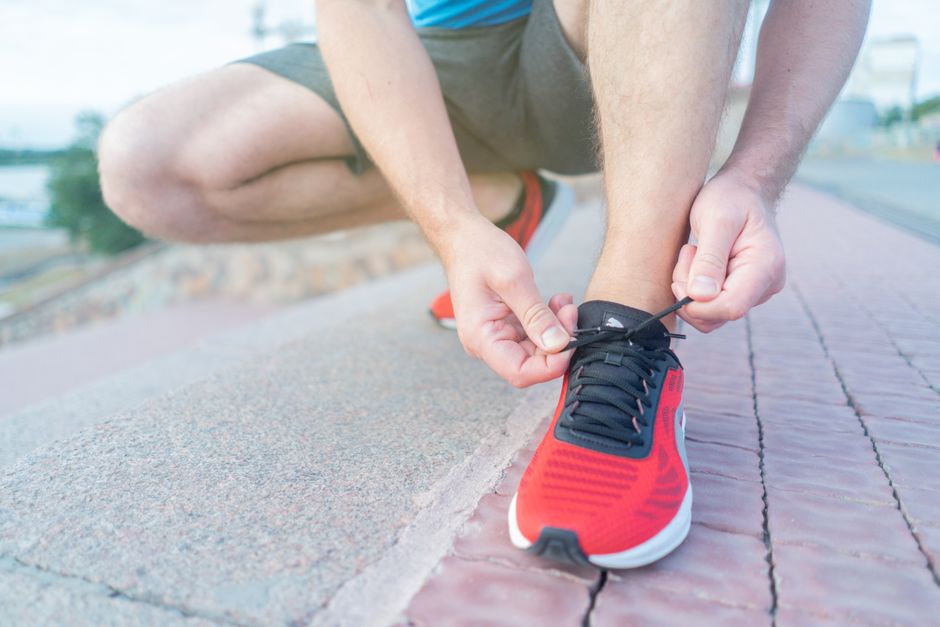
Shoe rubbing on the side of your ankle is a friction problem, and friction problems have physical solutions. The fix almost always comes down to one of three things: changing how the shoe fits, changing how you lace it, or changing the barrier between your skin and the shoe. Most people reach for a bandage first, but a bandage treats the wound, not the cause. Address the fit and the rubbing stops.
Why Do Shoes Rub the Side of Your Ankle?
Friction happens when two surfaces move against each other under pressure. Your foot shifts slightly inside the shoe with every step. If the shoe’s upper presses against the bony bump on the outside of your ankle — the lateral malleolus — that repeated motion wears at the skin.
The lateral malleolus sits close to the surface with very little padding over it. That is why it takes the abuse. A shoe that is too narrow squeezes it. A shoe that is too wide lets the foot slide and strike it. Both cause the same result.
Seams and stitching inside the heel counter are common culprits. So is a stiff, unbroken-in upper. New shoes are the usual offender because the material has not yet softened and shaped to your foot.
There is a less obvious factor too. Your gait matters. People who overpronate — rolling the foot inward — or supinate — rolling it outward — put uneven pressure on the sides of the shoe. The rubbing is not random. It follows your stride.
How To Stop Shoes Rubbing The Side Of Your Ankle
Start with fit, because that is where most problems live. Get your feet measured properly, and measure at the end of the day when feet are at their largest. Feet swell through the day and during activity. A shoe that fits in the morning may be too tight by afternoon.
Check the width, not just the length. Many people wear the right length and the wrong width. If the shoe pinches the sides, going up a half size in length rarely fixes it — a wider size often does. Most quality shoe brands offer multiple widths.
Then look at lacing. This is the most underused fix. The heel lock lacing method — also called runner’s loop — pulls the heel firmly into the back of the shoe and stops the foot from sliding forward and sideways. It takes thirty seconds to learn and costs nothing.
Here is how to do it:
- Lace the shoe normally up to the second-to-last eyelet.
- Thread each lace end back through the top eyelet on the same side, leaving a small loop.
- Cross the lace ends and pass each through the loop on the opposite side.
- Pull tight. This locks the heel down and reduces side-to-side movement.
If fit and lacing do not solve it, add a barrier. A thin moleskin pad or a silicone ankle sleeve over the bony bump changes where the pressure lands. This does not fix the shoe, but it protects the skin while the shoe breaks in or while you decide whether to replace it.
Break new shoes in gradually. Wear them for short periods at first. Leather and some synthetic uppers soften with wear and heat. Do not wear stiff new shoes for a long walk on day one.
What To Do Once the Skin Is Already Raw
Once the skin is broken or blistered, the goal shifts. Protect it, keep it clean, and let it heal before you wear the offending shoe again.
For a blister that has not opened, leave the roof intact. That skin is a natural dressing and reduces infection risk. Cover it with a blister bandage or a non-stick dressing.
For a blister that has opened, clean it gently with mild soap and water, apply a thin layer of petroleum jelly, and cover it with a sterile bandage. Change the dressing daily and keep it clean.
Watch for signs of infection: increasing redness, warmth, swelling, pus, or a fever. If any of these appear, see a healthcare provider. This matters more if you have diabetes or poor circulation, because foot infections in those groups can become serious quickly.
Do not pop a blister unless a clinician advises it. Popping raises the risk of infection and slows healing.
Does Shoe Fit or Shoe Type Matter More?
Fit matters more than brand, price, or style. A well-fitted inexpensive shoe will treat your ankles better than a poorly-fitted expensive one. The label does not touch your skin. The shape does.
That said, shoe type affects how much the upper moves against your ankle. Structured heel counters hold the foot steadier. Soft, floppy uppers allow more sliding. For people prone to rubbing, a shoe with a firm heel counter and a padded collar tends to cause less friction.
Socks matter too. Seamless socks reduce pressure points. Moisture-wicking material keeps skin drier, and dry skin is more resistant to friction damage than damp skin. Cotton holds moisture against the foot, which is why it tends to be a poor choice for long wear or activity.
When Rubbing Is a Sign of Something Else
Occasional rubbing is normal. Persistent rubbing in the same spot, even in shoes that used to fit well, can point to a change in your foot.
Bunions, bone spurs, and changes in foot shape from conditions like arthritis can alter how a shoe sits. Swelling from heart, kidney, or circulation problems can make shoes that once fit feel tight on the sides. If your shoe fit has changed without a change in your shoes, that is worth mentioning to a clinician.
People with diabetes should be especially careful. Reduced sensation in the feet means a rubbing shoe can cause damage you do not feel. Daily foot checks and properly fitted shoes are standard advice for this group. If you have diabetes and notice any new redness, sore, or break in the skin on your foot, contact your care team rather than waiting.
Preventing Ankle Rubbing Before It Starts
The best fix is to never let it start. A few habits go a long way.
- Measure your feet before buying, and re-measure every few years. Foot size changes with age.
- Shop for shoes late in the day when feet are largest.
- Try shoes with the socks you plan to wear with them.
- Walk around the store on a hard surface, not just carpet.
- Break in new shoes gradually over several short wears.
- Replace worn shoes. A collapsed heel counter or stretched upper no longer holds the foot in place.
If a specific pair keeps rubbing no matter what you try, the honest answer is that the shoe does not fit your foot. No insert, pad, or lacing trick will fully fix a shoe with the wrong shape. Replace it. Your ankles will thank you.
Frequently Asked Questions
What is the fastest way to stop a shoe rubbing my ankle?
The fastest fix is usually a heel lock lace pattern, which holds the heel down and reduces side-to-side sliding. If that does not work, add a moleskin pad or silicone sleeve over the bony bump while you address the fit.
Should I put a bandage on a shoe rub before it blisters?
Yes, covering a hot spot early can prevent a blister from forming. A blister bandage or moleskin reduces friction on the skin, but it treats the symptom, not the shoe that is causing the rub.
Can tight shoes cause ankle pain, not just rubbing?
Yes. Shoes that squeeze the sides of the foot can press on nerves and soft tissue, which may cause pain beyond simple skin irritation. Persistent pain that does not improve after changing shoes is worth evaluating by a clinician.
How long does a rubbed ankle take to heal?
Minor skin irritation often settles within a few days once the friction stops. A deeper blister or broken skin can take longer, and healing depends on keeping the area clean and protected from further rubbing.
