
A runny nose and sneezing are usually your body’s response to a trigger, not a problem in themselves. The most reliable way to stop them is to remove the trigger if you can, and to use treatments that target the specific cause — allergies, a cold, or irritation. No single remedy works for every cause, so matching the treatment to the reason matters more than any one product.
Most people reach for a decongestant spray or an antihistamine without knowing which one fits their symptoms. That is where relief often goes wrong.
Why Does Your Nose Run And Why Do You Sneeze?
Your nose runs because the lining of your nasal passages produces fluid to flush out irritants and to fight infection. Sneezing is a reflex that expels irritants from the airway. Both are protective responses, which is why they show up across many different conditions.
The fluid itself is mostly water, mucus, and immune proteins. When the lining becomes inflamed, it produces more of it. Blood vessels in the nose also widen, which causes congestion and adds to the sense that your nose is “full.”
What triggers this matters for treatment. The main categories are:
- Allergies — pollen, dust mites, pet dander, mold. The immune system reacts to a harmless substance and releases histamine.
- Viral infections — the common cold and similar viruses inflame the nasal lining directly.
- Irritants — smoke, strong smells, cold air, pollution.
- Non-allergic rhinitis — a runny nose without an allergic trigger, often set off by temperature changes, odors, or certain foods.
Knowing which of these fits your situation is the single most useful step. An antihistamine helps an allergic nose far more than a viral one. A cold needs time, not allergy medicine.
How To Stop Runny Nose And Sneezing What Works?
The treatment that works depends on the cause, and the evidence for each option is different. Here is what the research and clinical practice support.
For allergic runny nose and sneezing
Intranasal corticosteroid sprays are the most consistently effective treatment for allergic rhinitis. Research consistently shows they reduce sneezing, runny nose, and congestion better than antihistamines alone. They take several days to reach full effect, so they work best used regularly rather than only when symptoms flare.
Oral antihistamines help with sneezing and itching. Older types, like diphenhydramine, cause drowsiness and are not ideal for daytime use. Newer ones, such as loratadine or cetirizine, are less sedating. Antihistamine eye drops help if your eyes are also involved.
Avoiding the allergen remains the foundation. Keeping windows closed during high pollen periods, washing bedding in hot water to reduce dust mites, and keeping pets out of the bedroom all reduce exposure. These steps are simple and well supported.
For cold-related runny nose and sneezing
No medication cures a cold. Symptoms usually peak within a few days and improve over one to two weeks. What helps is managing the symptoms while your body clears the virus.
Saline nasal rinses are widely used and low risk. They flush out mucus and irritants. Use distilled, sterile, or previously boiled and cooled water — never untreated tap water, because of the risk of serious infection from organisms in tap water.
Decongestant nasal sprays relieve congestion but should not be used for more than three days in a row. Longer use causes rebound congestion, where the nose becomes more blocked when you stop. This is a well-documented effect, not a rare one.
For irritant and non-allergic runny nose
Here the trigger is physical rather than immune. Avoiding smoke, strong fumes, and sudden cold air helps. Some clinicians recommend an intranasal corticosteroid or an antihistamine spray for persistent non-allergic rhinitis, but the evidence is less strong than for allergies, and response varies from person to person.
Do Over-The-Counter Cold Medicines Actually Work?
The evidence is mixed, and it depends heavily on the ingredient. Some over-the-counter products have modest support; others perform little better than a placebo.
Oral decongestants such as pseudoephedrine can reduce congestion by narrowing blood vessels. They can raise blood pressure and cause jitteriness, so people with hypertension or heart conditions should check with a clinician first. A related point that surprises many people: a common oral decongestant ingredient, phenylephrine, has been questioned by regulators for lack of evidence that it works when taken by mouth. If you have relied on it, that is worth knowing.
Combination cold products often bundle several ingredients. They can help if each ingredient matches one of your symptoms, but they also add side effects and make it hard to know what is actually helping. Single-ingredient products are easier to reason about.
Antihistamines are not effective for the common cold. They are sometimes included in cold preparations, but the evidence does not support them for viral symptoms.
Do Home Remedies Help A Runny Nose?
Some do, and some are marketing noise. Here is the honest split.
Saline rinses and sprays have reasonable support for loosening mucus and clearing irritants. They are low risk when used with safe water.
Steam and humidified air are commonly recommended and feel soothing. The evidence that they meaningfully shorten symptoms is limited. They are unlikely to hurt, but do not expect them to stop symptoms quickly.
Honey has some evidence for soothing a cough in adults and children over one year. It is not a proven treatment for runny nose or sneezing. Never give honey to infants under one year because of the risk of infant botulism.
Vitamin C, zinc, and echinacea are widely marketed for colds. The evidence is mixed at best, and results vary across studies. No large, consistent body of research confirms they stop a runny nose or sneezing.
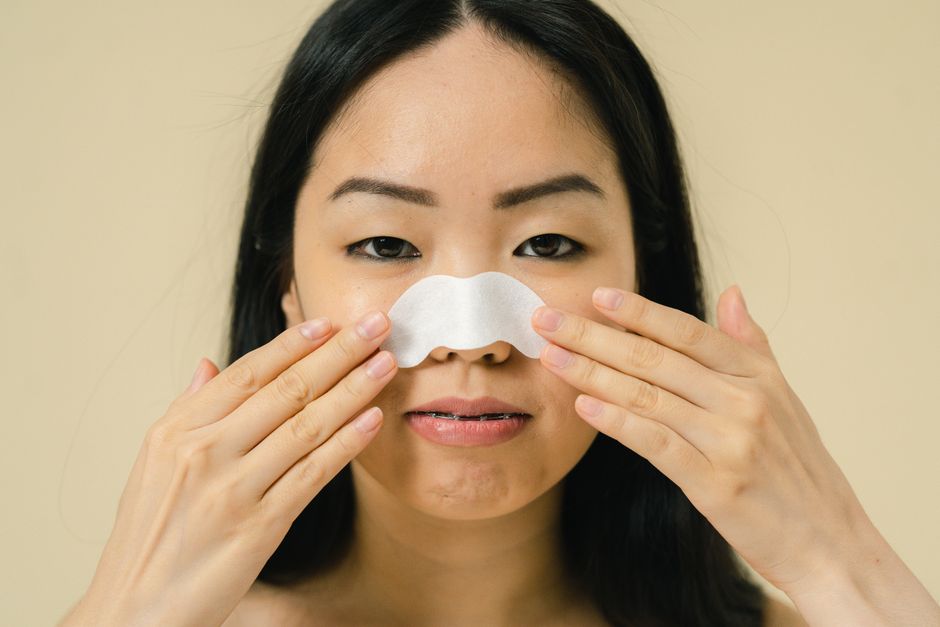
Nasal strips and steam tents may feel helpful but have little evidence behind them for these specific symptoms.
When Should You See A Doctor?
Most runny noses and sneezing are not dangerous. Some patterns do warrant medical attention.
See a clinician if symptoms last more than about ten days without improving, or if they improve and then get worse — a pattern that can suggest a sinus infection. Seek care for a high fever, facial pain or pressure, thick green or yellow discharge that persists, or symptoms that affect breathing.
Also seek care if you have asthma and your symptoms are worsening, or if a runny nose is one-sided and persistent, which can have causes that need evaluation.
For children, check with a clinician before giving any over-the-counter cold medicine. Many are not recommended for young children, and dosing guidance differs by age. No clinical guidelines support routine cold medicine use in infants.
How Can You Prevent Runny Nose And Sneezing?
Prevention depends on the cause, but a few steps reduce the frequency for most people.
- Reduce allergen exposure — close windows during high pollen, use allergen-proof bedding covers, and keep humidity in the home in a moderate range.
- Wash hands often during cold season. Viral respiratory infections spread easily through contact and droplets.
- Avoid cigarette smoke and strong fumes, which irritate the nasal lining directly.
- If you have seasonal allergies, start a corticosteroid nasal spray before your usual season begins. This is common clinical advice, and it aligns with how the medication works — it needs time to build effect.
One clarification worth making: a runny nose is not a sign that your immune system is weak. It is usually a sign that it is responding. The goal is not to shut the response down entirely but to reduce the symptoms enough to function comfortably.
What About Antihistamines And Drowsiness?
This deserves its own note because it affects daily safety. Older antihistamines cross into the brain and cause drowsiness. That can impair driving and work performance, and the effect is not always obvious to the person taking them.
Newer antihistamines are much less sedating for most people. If you need to stay alert, they are generally the better choice. Still, individual responses vary, and some people feel drowsy on any antihistamine.
Antihistamines also dry secretions, which can help a runny nose but may cause dry mouth or dry eyes. They are not the right tool for every cause of a runny nose.
Frequently Asked Questions
What is the fastest way to stop a runny nose?
There is no single fastest method because the cause matters. For allergies, an antihistamine can ease sneezing within an hour or so, while a corticosteroid spray works better over several days.
Does Benadryl help a runny nose from a cold?
Antihistamines are not effective for the common cold and are not recommended for that purpose. They help allergic symptoms more than viral ones.
Can a runny nose be stopped without medicine?
Saline rinses, avoiding triggers, and resting can reduce symptoms for many people. These measures are low risk but may not fully stop symptoms.
How long should a runny nose last?
A cold-related runny nose usually improves within one to two weeks. Symptoms that last longer or worsen after improving should be checked by a clinician.
