
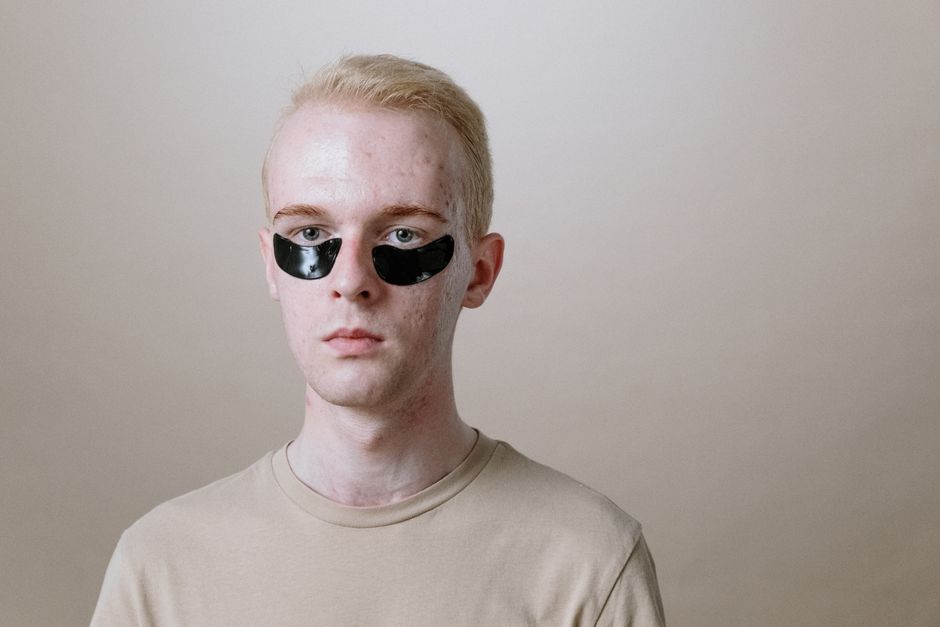
You cannot stop every pimple, but you can make them much less likely. The core routine is simple: wash your face twice a day with a gentle cleanser, keep your hands off your face, and use acne treatments that are proven to work rather than ones that just sound impressive. Most people who get regular breakouts also benefit from using a topical retinoid and a product that targets the bacteria and blocked pores involved in acne.
Pimples form when a hair follicle gets blocked with dead skin cells and oil, and the skin bacteria Cutibacterium acnes multiply inside it. That process is well understood. What triggers it in any one person is harder to pin down, and that is why there is no single trick that works for everyone.
How To Stop Pimples Coming On Face: What Actually Works
The treatments with the strongest evidence are not the ones most heavily advertised. Dermatology research consistently supports a small number of ingredients, and everything else is secondary.
Topical retinoids are the backbone of acne treatment. They help normalize how skin cells shed inside the follicle, which addresses the very first step in pimple formation. Tretinoin is available by prescription. Adapalene is available over the counter in some countries and by prescription in others. These take weeks to show benefit and can cause dryness and irritation at first. That early irritation is expected and usually settles.
Benzoyl peroxide kills C. acnes and has been used for decades. It is available over the counter in strengths typically ranging from 2.5% to 10%. Lower strengths generally irritate less and work about as well, so there is little reason to start at the highest concentration. Benzoyl peroxide can bleach towels and clothing.
Salicylic acid helps unblock pores and is common in over-the-counter washes and toners. The evidence for it is reasonable but weaker than for retinoids and benzoyl peroxide.
For inflammatory acne with many red, tender spots, clinicians often add prescription options such as oral antibiotics for a limited course, or combination products. Antibiotic resistance in C. acnes is a real and growing concern, which is why guidelines generally recommend using antibiotics alongside a topical retinoid and benzoyl peroxide rather than alone.
What does not have good evidence: scrubbing harder, drying out the skin, and most “detox” or “purifying” products. Irritation makes acne worse, not better.
Why Do I Keep Getting Pimples on My Face?
Acne is driven by four things happening together inside a follicle: excess oil production, abnormal shedding of skin cells, bacterial growth, and inflammation. All four have to be addressed for treatment to work well, which is why single-ingredient approaches often disappoint.
Hormones matter a great deal. Androgens increase oil production, which is why acne commonly appears in the teenage years and why some women notice breakouts around their menstrual cycle. This is normal physiology, not a sign that something is wrong with your skin.
Genetics play a large role. If a parent had significant acne, you are more likely to as well. You cannot change that, but it does mean early and consistent treatment is worth taking seriously.
Some people find that certain cosmetics and skin care products trigger breakouts. The term for this is comedogenic, meaning pore-blocking. Choosing products labeled non-comedogenic is a reasonable step, though the testing behind that label is not standardized across brands.
Diet is more debated than most people assume. Some studies suggest that high-glycemic diets and dairy may be associated with acne in some people. The evidence is not strong enough to tell anyone to cut out dairy, and the relationship is not established as a cause. If you suspect a food triggers your breakouts, it is reasonable to discuss it with a clinician rather than eliminating whole food groups on your own.
Which Daily Habits Make Pimples Worse?
Touching your face is the most common self-inflicted problem. Hands carry oil, bacteria, and irritants, and picking or squeezing pushes material deeper into the follicle. That can turn a small pimple into a larger inflamed one and increases the risk of scarring.
Over-washing is the second. Washing more than twice a day, or using harsh soaps and scrubs, strips the skin and triggers irritation. Irritated skin is more inflamed skin. Twice daily with a gentle cleanser is the standard recommendation.
Other habits worth examining:
- Sleeping in makeup, which leaves pore-blocking material on the skin for hours
- Resting your face on your hands or a phone screen for long stretches
- Using dirty pillowcases and towels for extended periods
- Applying heavy, occlusive products that trap oil
- Picking at scabs, which slows healing and raises scarring risk
One clarification worth making: dirt does not cause acne. Acne is not a hygiene problem. People with excellent hygiene get acne, and scrubbing does not clear it. The blocked follicle is an internal process, not surface grime.
Does Sun Exposure or Stress Cause Breakouts?
Sun exposure does not clear acne, despite a widely repeated belief. A tan can temporarily make redness look less obvious, which is likely where the myth comes from. Ultraviolet light also increases skin cancer risk and causes premature aging, and some acne treatments make skin more sun-sensitive. Daily sunscreen is the better choice.
Stress is a plausible contributor. Stress hormones can increase oil production, and some studies suggest a link between psychological stress and acne flares. The evidence is not strong enough to say stress causes acne, but the relationship is reasonable and worth managing for general health regardless.
Sleep and stress are connected. Poor sleep tends to raise stress, and skin health generally tracks with overall health. This is not a specific acne treatment, but it is not nothing either.
When Should You See a Doctor for Acne?
See a clinician if over-the-counter treatment for several weeks has not helped, if acne is leaving scars, or if it is causing significant distress. Acne that is severe, deep, or nodular — large painful lumps under the skin — deserves medical treatment. Waiting can allow scarring that is permanent.
Some clinicians recommend evaluation for acne that appears suddenly in adulthood, especially in women, because hormonal conditions can sometimes be involved. This is not the most common explanation, but it is worth ruling out when the pattern is unusual.
Prescription options include stronger retinoids, combination topical products, oral antibiotics for short courses, and for some people hormonal treatments or isotretinoin. Isotretinoin is highly effective for severe acne but carries serious risks, including birth defects, and requires monitoring. That decision belongs with a clinician.
Acne responds slowly. Most treatments need several weeks before you can judge whether they are working, and some people see improvement only after a few months. Stopping early is one of the most common reasons treatment fails.
Can You Prevent Pimples Entirely?
No. There is no method that prevents all pimples, and any product claiming otherwise is overstating what is possible. What you can do is reduce frequency and severity, and treat breakouts early so they clear faster and scar less.
A reasonable routine looks like this: a gentle cleanser twice daily, a non-comedogenic moisturizer, daily sunscreen, and one or two proven active treatments used consistently. Introduce new products one at a time so you can tell what helps and what irritates.
Give any routine at least several weeks before deciding it does not work. Skin cell turnover takes time, and the follicle changes that reduce pimple formation do not happen overnight.
Frequently Asked Questions
How can I stop pimples from coming on my face fast?
You cannot stop a pimple that has already formed, but benzoyl peroxide applied early can reduce its size and duration. Consistent daily use of a retinoid or benzoyl peroxide reduces how often new pimples appear over weeks to months.
Does toothpaste get rid of pimples?
No, and it can irritate or burn the skin. Toothpaste is not an acne treatment and has no evidence supporting its use on pimples.
Should I pop a pimple to make it go away faster?
No. Popping pushes bacteria and debris deeper, increases inflammation, and raises the risk of scarring and dark marks that can last months.
How long does acne treatment take to work?
Most acne treatments need several weeks before you can judge whether they are working, and some people need a few months. Stopping early is a common reason treatment appears to fail.
