
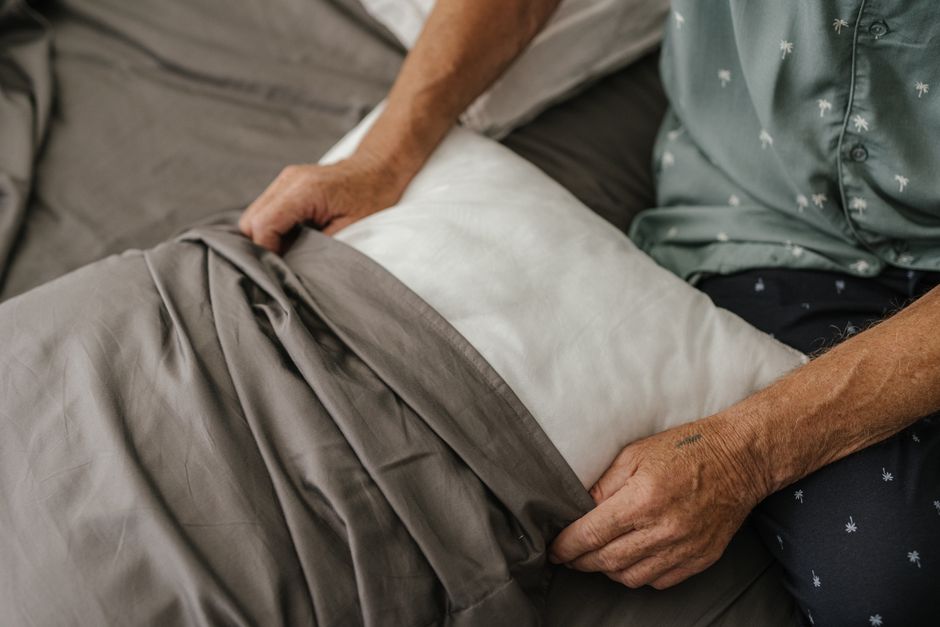
A pillowcase that slides off in the middle of the night is a small annoyance that disrupts sleep. The fix is usually simple: match the pillowcase size to the pillow, use the envelope closure properly, or add a non-slip grip layer between the pillow and the case. For most people, choosing a fitted or deep-pocket pillowcase or using a fabric-friendly gripper solves the problem permanently.
Why Do Pillowcases Keep Coming Off Your Pillow?
Pillowcases come off for a few straightforward reasons. The most common cause is a size mismatch. A standard pillowcase measures about 20 by 26 inches. If your pillow is larger — like a queen or king size — a standard case will not stay on.
Fabric texture also plays a role. Silk and satin pillowcases are smooth. That smoothness feels great on skin and hair, but it also means less friction. The pillow slides right out. Cotton and linen have more grip, so they tend to stay in place better.
Worn elastic is another culprit. If your pillowcase has a fitted corner or an elastic edge, that elastic loses tension over time. Washing and drying accelerate the wear. Once the elastic stretches out, the case no longer hugs the pillow.
Finally, the pillow itself matters. Down and down-alternative pillows compress and shift during sleep. A soft pillow that squashes flat gives the case less structure to hold onto. A firmer pillow keeps its shape and stays inside the case.
What Is the Best Pillowcase Style to Keep It On?
If you are tired of waking up to a bare pillow, the style of pillowcase matters more than most people realize. Standard open-end pillowcases are the most common, but they are also the easiest to lose in the night.
Fitted pillowcases are the most reliable option. They have elastic sewn into all four corners, similar to a fitted sheet. The elastic pulls the fabric tight around the pillow on all sides. Once it is on, it stays on through normal movement.
Envelope closure pillowcases are the second best choice. These have an overlapping flap on one end. You tuck the pillow into the open end, and the flap folds over the bottom edge. The overlap adds friction and prevents the pillow from sliding out the back.
Deep-pocket pillowcases are designed for thicker pillows. They have extra fabric depth, usually 8 to 10 inches, compared to the standard 6 to 7 inches. If your pillow is plush or tall, a deep-pocket case fits more securely.
Open-end cases without any closure are the least secure. If you prefer the look or feel of a traditional open case, you need to rely on other methods to keep it in place.
How To Stop Pillowcases Coming Off Your Pillow With Simple Fixes
Before buying anything new, try these quick fixes. They cost little or nothing and work for most people.
Check the size. Measure your pillow and compare it to the case. A standard pillow measures roughly 20 by 26 inches. Queen pillows are about 20 by 30 inches. King pillows are about 20 by 36 inches. If your pillow is larger than the case, that is your problem.
Use the envelope flap. If your case has an inner flap, make sure the pillow is fully inside the deep end of the case. The flap should fold over the pillow’s bottom edge. Many people tuck the pillow in backward, leaving the flap on the outside where it does nothing.
Add a gripper. A thin, non-slip fabric pad placed between the pillow and the case adds friction. You can buy purpose-made gripper pads, or you can use a piece of non-slip shelf liner cut to size. Wash it regularly to keep it clean.
Pin or clip it. Small safety pins or fabric clips on the inside of the case can hold the case to the pillow. This works, but it can be uncomfortable if the pin presses through the fabric. Use flat clips and position them away from where your face rests.
Wash and dry properly. Heat shrinks cotton slightly. If your case has become too loose, washing it in hot water and drying on high heat can shrink it back to a snugger fit. This works best with 100 percent cotton cases.





Does Pillow Size and Fill Type Affect How Well the Case Stays On?
Yes. The pillow’s dimensions and fill directly influence how securely a case fits.
Standard pillows are the easiest to fit. Most standard cases are made to fit them. Queen and king pillows need larger cases. If you use a king pillow with a standard case, the case will stretch thin and slide off.
Pillow thickness also matters. A pillow that is 7 inches thick or more needs a deep-pocket case. Standard cases have about 6 inches of depth. A thick pillow will pop the case off at the corners.
Fill type affects movement. Down pillows are soft and compressible. They move inside the case as you shift during sleep. A denser fill, like a shredded memory foam or a firm polyester fill, holds its shape better. The case stays put because the pillow does not deform as much.
Memory foam pillows are a special case. Many are shaped with contours and may not fit a standard rectangular case at all. If you use a contoured pillow, look for a case specifically designed for that shape.
What About Silk and Satin Pillowcases?
Silk and satin cases are popular because they reduce friction on hair and skin. That same low friction makes them more likely to slip off the pillow.
If you want the beauty benefits of silk but not the nightly re-tucking, choose a silk case with an envelope closure. The flap provides the friction that the slippery fabric lacks. Fitted silk cases also exist, though they are less common and more expensive.
Another option is a silk pillowcase cover that fits over a standard cotton case. This adds a layer of silk on the outside while the cotton case underneath grips the pillow. It is a practical compromise.
Some brands sell silk cases with a silicone or gripper strip sewn into the inner seam. These are designed specifically to address the slipping problem. If you are buying new, look for that feature.
Are There Products Designed to Keep Pillowcases On?
Yes. Several products exist specifically for this problem.
Pillowcase grippers are small fabric straps that wrap around the pillow and clip to the case. They are inexpensive and easy to install. They work best with standard rectangular pillows.
Non-slip pillow pads are thin sheets of grippy fabric placed between pillow and case. They add friction without bulk. Some people find them slightly warm because they reduce airflow.
Pillow bands or wraps are elastic straps that go around the entire pillow, holding the case in place from the outside. They work but can feel noticeable under your head.
Fitted pillowcases with deep pockets are the most straightforward product solution. They combine the security of elastic corners with extra depth for thicker pillows. They cost more than standard cases but save you from nightly frustration.
When choosing a product, consider the material. Cotton and bamboo cases breathe well. Polyester and microfiber are cheaper but can trap heat. If you sleep hot, prioritize breathable fabrics.
How To Stop Pillowcases Coming Off Your Pillow Long Term
For a permanent fix, address the root cause rather than applying a temporary workaround.
First, replace worn pillowcases. Elastic that has lost its stretch will never regain it. If your case is more than a few years old and has been washed dozens of times, it is likely time for a new one.
Second, buy the right size. Measure your pillow before purchasing cases. If you are unsure, bring your pillow dimensions with you when shopping or check the product listing online.
Third, consider switching to fitted cases. They are the most secure style available. Once you use a fitted case, you will likely not go back to open-end cases.
Fourth, maintain your pillowcases properly. Wash them according to the care label. Avoid over-drying, which breaks down elastic fibers. If a case has a gripper strip or silicone edge, do not use fabric softener, which can degrade the grip.
Finally, rotate your pillows. A pillow that has flattened over time no longer fills the case properly. Replacing old pillows every 1 to 2 years keeps both your pillow and case working together as intended.
Frequently Asked Questions
Why does my pillowcase come off every night?
It is usually a size mismatch or a lack of friction between the pillow and the case. A case that is too large, or a smooth fabric like silk on a soft pillow, will slide off during movement.
What is the best type of pillowcase to keep a pillow inside?
Fitted pillowcases with elastic corners are the most secure option. Envelope closure cases with an overlapping flap are the second most reliable choice.
Can I make my current pillowcase fit better without buying a new one?
Yes. Wash a cotton case in hot water and dry on high heat to shrink it slightly, or place a non-slip gripper pad between the pillow and the case to add friction.
Do silk pillowcases always slip off?
Silk cases slip more than cotton because the fabric is smoother. Choosing a silk case with an envelope closure or a gripper strip sewn into the seam prevents most slipping.
