
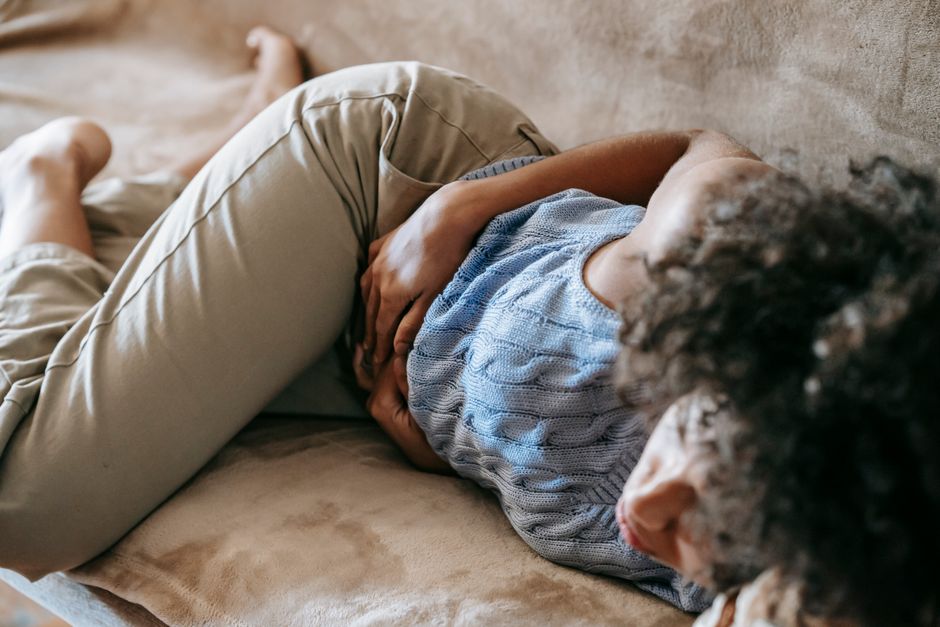
For fast relief from period cramps, the two most reliable steps are heat and an anti-inflammatory pain reliever. A heating pad or warm bath can ease cramping within minutes, and over-the-counter NSAIDs like ibuprofen block the prostaglandins that cause the uterus to contract. Together, they work faster than most other home options.
Period pain, called dysmenorrhea, happens when the uterus contracts to shed its lining. Those contractions briefly cut off blood flow to the muscle, and that oxygen shortage is what you feel as cramping. The good news is that several home methods target this exact process, and some of them start working within 15 to 30 minutes.
Why Do Period Cramps Hurt So Much?
The pain comes from chemicals called prostaglandins. Before and during your period, the lining of the uterus releases these compounds, which make the uterine muscle contract. Higher prostaglandin levels tend to mean stronger contractions and more pain.
When the muscle contracts hard, it presses on nearby blood vessels. That reduces blood flow to the uterus for short periods. The temporary loss of oxygen is what registers as a cramp. This is why period pain feels like a wave that builds and fades rather than a steady ache.
This also explains why anti-inflammatory drugs help so much. NSAIDs don’t just dull pain signals. They lower prostaglandin production, which addresses the cause rather than only the symptom. Acetaminophen (Tylenol) eases pain but does not reduce prostaglandins, so it may help less with cramping specifically.
What Is the Fastest Way To Stop Period Pain At Home?
Heat is the single fastest home method, and it has real evidence behind it. Applying continuous low-level heat to the lower belly relaxes the uterine muscle and improves blood flow. Many people feel relief within 15 to 30 minutes.
A heating pad, hot water bottle, or warm bath all work. Heat patches worn against the skin are another option and can be used for hours. Keep a cloth between the heat source and your skin to avoid burns, and never sleep on a heating pad that stays hot.
NSAIDs are the fastest medication option when they are safe for you. Ibuprofen and naproxen are common choices. They work best when taken at the first sign of cramps or at the start of your period, before prostaglandin levels climb. Waiting until pain peaks means the drug has more ground to cover.
If you have stomach ulcers, kidney disease, heart disease, or are pregnant, talk to a clinician before using NSAIDs. Aspirin is not recommended for anyone under 19 because of the risk of a rare but serious condition called Reye’s syndrome.
Does Exercise Help Period Cramps?
Light movement can reduce cramp intensity for many people. It is not instant relief, but it often helps within 20 to 30 minutes of starting. Walking, gentle yoga, and stretching are reasonable choices.
The mechanism is not fully settled. Exercise may improve blood flow, trigger the release of natural pain-relieving chemicals called endorphins, and reduce stress. Some studies suggest regular aerobic activity lowers period pain over time, though results vary.
You do not need a hard workout. A slow walk around the block or a few minutes of cat-cow stretches can be enough. If movement makes the pain worse, stop and rest. There is no rule that you have to push through it.





Can Orgasm or Sex Relieve Period Pain?
Orgasm can ease cramps for some people, at least briefly. The uterus contracts during orgasm and then relaxes, and the body releases endorphins that blunt pain. Some people also report relief from the muscle relaxation that follows.
The evidence here is limited. There are no large trials confirming how well this works or how long relief lasts. It is a low-risk option if you are comfortable with it, but it is not a guaranteed fix.
Do Herbal Teas, Supplements, or Diet Changes Work?
The evidence for most herbal remedies is weak or mixed. Some small studies suggest ginger may reduce period pain, and it is generally considered safe in food amounts. Chamomile and fennel tea are traditional remedies with limited formal evidence. They may help you relax, which can make pain feel more manageable, but they are not proven cramp-stoppers.
Be cautious with supplements. Herbal products are not tightly regulated in the US, so what is on the label may not match what is in the bottle. Some, like high-dose vitamin E or certain blends, have been studied for period pain, but results are inconsistent. None of these are fast-acting compared with heat or NSAIDs.
Diet changes are not an immediate fix either. Over months, some research suggests that eating more omega-3 fats and fewer trans fats may be linked to less period pain. That is a long-term strategy, not something that helps in the next hour.
What About TENS Units and Acupressure?
A TENS unit sends mild electrical pulses through the skin. Some studies indicate it can reduce period pain, possibly by interfering with pain signals or by prompting endorphin release. It is not instant, and results vary from person to person. These devices are sold over the counter, and a clinician can advise on safe use.
Acupressure, which involves pressing specific points on the body, has some evidence for reducing period pain in small studies. It is low-risk and free to try. Pressing the area between your thumb and index finger, or a point above the inner ankle, is a common approach. The effect, if any, is usually modest.
When Should You See a Doctor About Period Pain?
Severe period pain that disrupts your life is not something you simply have to live with. It can be a sign of a treatable condition. See a clinician if cramps get worse over time, last longer than a few days, or do not improve with heat and NSAIDs.
Certain symptoms need prompt attention. These include pain that starts well before your period or continues after it ends, heavy bleeding, bleeding between periods, fever, or pain during sex. Pain that suddenly becomes severe, especially with fever or fainting, needs urgent care.
One cause worth knowing about is endometriosis, where tissue similar to the uterine lining grows outside the uterus. It affects a significant number of people who menstruate and often causes intense pain. Another is uterine fibroids, which are noncancerous growths. Both are common and both can be managed, but they need a diagnosis first. If home methods are not cutting it, that is information, not a personal failing.
How To Stop Period Pain Immediately At Home: A Quick Plan
Start with the two methods that work fastest and have the strongest evidence. Apply heat to your lower belly right away, and take an NSAID if it is safe for you and you have not already taken one. Then add a second layer if you need it.
- Apply a heating pad or heat patch to your lower abdomen for 15 to 30 minutes.
- Take ibuprofen or naproxen at the first sign of cramps, if safe for you.
- Try a warm bath or shower to relax the muscles.
- Take a slow walk or do gentle stretches if movement feels okay.
- Drink water and eat regular meals to avoid making cramps feel worse.
- Rest with your knees bent or lie on your side to take pressure off your belly.
Timing matters more than most people realize. NSAIDs work best when taken early, before prostaglandin levels peak. Heat works best when it is continuous rather than on and off. If you have tried both and the pain is still severe, that is a reason to see a clinician, not to keep pushing through.
Frequently Asked Questions
What is the fastest way to stop period pain at home?
Heat applied to the lower belly is the fastest home method, often easing cramps within 15 to 30 minutes. An NSAID like ibuprofen can also work quickly if taken at the first sign of pain and if it is safe for you.
Does ibuprofen help period cramps?
Yes, ibuprofen is one of the most effective over-the-counter options because it lowers the prostaglandins that cause uterine contractions. It works best when taken early, and it is not safe for everyone, so check with a clinician if you have stomach, kidney, or heart conditions.
Can you stop period pain without medication?
Yes, heat, light exercise, and rest can reduce cramps without any medication. These methods work for many people, though they may not fully control severe pain.
When is period pain a sign of something serious?
Pain that gets worse over time, lasts longer than a few days, or does not respond to heat and NSAIDs should be checked by a clinician. Conditions like endometriosis and fibroids are common causes of severe period pain and can be treated.
