
Period cramps happen when the muscular wall of the uterus contracts to help shed its lining. The squeeze briefly cuts off blood flow to the muscle, and that temporary lack of oxygen is what you feel as pain. You can ease most cramps with heat, gentle movement, over-the-counter pain relievers taken early, and a few simple habits. Knowing why the pain happens makes each of these steps easier to use well.
Why Do Period Cramps Hurt So Much?
The pain has a clear physical cause. During your period, the uterus releases hormone-like substances called prostaglandins. These trigger the uterine muscle to contract. Strong contractions press on nearby blood vessels and briefly reduce blood flow to the muscle tissue. That short drop in oxygen is the source of the cramping ache.
Prostaglandin levels tend to be highest on the first day or two of bleeding. That is why cramps are usually worst then and ease as the period goes on. This pattern is normal.
Some people have more intense cramps than others. Risk factors include starting periods at a young age, heavy or irregular bleeding, and a family history of painful periods. Smoking is also linked to more severe cramps.
A key point: severe cramps that stop you living normally are not something you simply have to endure. In some cases, conditions such as endometriosis or uterine fibroids drive the pain. If cramps are severe, getting worse over time, or not helped by simple measures, that is a reason to see a clinician. It is not a sign of weakness.
Does Heat Really Help Period Cramps?
Yes. Heat is one of the best-supported home remedies for period pain. A warm compress, hot water bottle, or warm bath relaxes the uterine muscle and increases blood flow to the area.
Some studies suggest that continuous low-level heat applied to the lower belly can reduce cramp pain about as well as over-the-counter pain relievers for some people. The evidence is not perfect, but heat is low-risk and widely recommended by clinicians. It is a reasonable first step.
How to use it well:
- Apply heat to the lower abdomen or lower back for as long as it feels soothing.
- A hot water bottle wrapped in a cloth, a heat pack, or a warm bath all work.
- Never apply heat to bare skin for long stretches, and never sleep on a heat pad. This prevents burns.
A warm bath does double duty. The heat relaxes muscle, and the quiet time helps you slow down and breathe. That matters more than it sounds. Stress and tension can make pain feel worse.
Can Exercise Ease Period Pain?
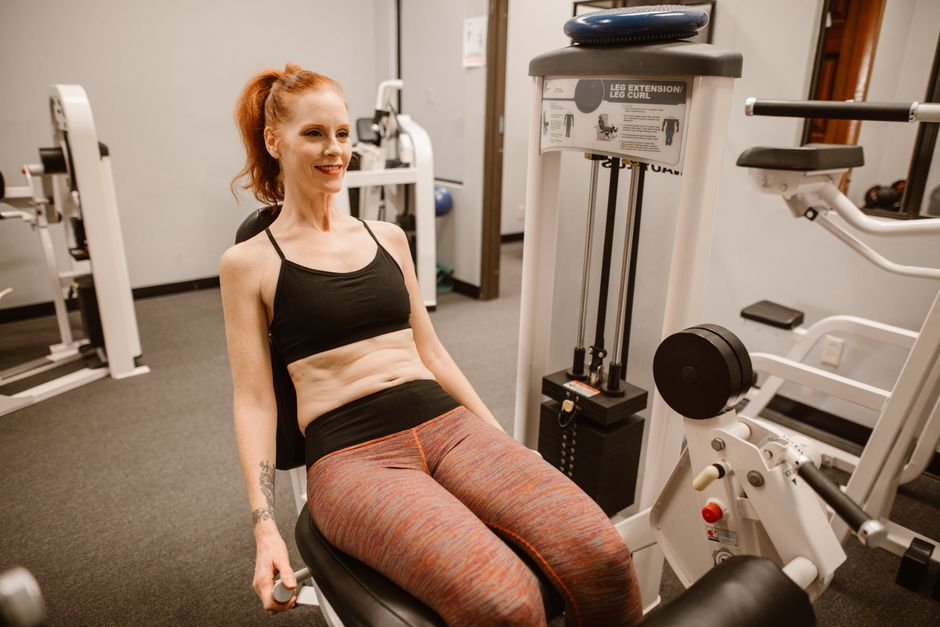
Yes. Movement is one of the more reliable ways to reduce cramp pain. Exercise triggers the release of endorphins, the body’s natural pain-relief chemicals. It also improves blood flow and can ease the muscle tension that builds when you are curled up in pain.
You do not need a hard workout. Light to moderate activity is enough. Some research suggests regular aerobic exercise can lower the intensity of period pain over time, though results vary between studies.
Good options during your period:
- Walking, including a brisk walk
- Gentle yoga or stretching
- Swimming or water exercise
- Light cycling
- Slow, steady movement you actually enjoy
If you feel exhausted or your flow is very heavy, rest is fine too. The goal is to move a little if you can, not to push through pain. Even a short walk around the block can take the edge off.
What About Pain Relievers?
Over-the-counter pain relievers are effective for many people, and timing matters. Nonsteroidal anti-inflammatory drugs (NSAIDs) such as ibuprofen work by blocking the production of prostaglandins. That targets the actual cause of the cramping.
Because prostaglandin levels rise early, taking the medicine at the first sign of cramps or bleeding tends to work better than waiting until the pain is severe. Follow the dose and instructions on the package, and check with a pharmacist or clinician if you take other medicines or have stomach, kidney, or heart conditions. NSAIDs are not right for everyone.
Acetaminophen is another option. It relieves pain but does not target prostaglandins the way NSAIDs do, so it may work differently for you.
If over-the-counter options do not control your pain, talk to a clinician. There may be other approaches, and it is worth checking whether an underlying condition is involved.
What Other Habits Help With Period Cramps?
Small daily habits can soften the impact of cramps. None of these replaces heat, movement, or pain relief, but they help you cope better.
- Sleep. Poor sleep makes pain feel worse. Protect your rest, especially in the days before your period.
- Stay hydrated. Drinking enough water supports normal body function. There is no strong evidence that it directly stops cramps, but dehydration can add to feeling unwell.
- Manage stress. Relaxation, slow breathing, and quiet time can lower the tension that makes pain harder to handle.
- Eat regular meals. Steady blood sugar helps you feel more stable and less depleted.
- Massage. Gentle massage of the lower belly or back may ease muscle tension. Some studies suggest it can reduce cramp pain, though the evidence is not strong.
Be cautious with supplements and herbal products marketed for period pain. Some, like magnesium, have limited and mixed evidence, and products are not tightly regulated. Talk to a clinician before starting anything, especially if you take other medicines or could be pregnant.
When Should You See a Doctor About Cramps?
Most period cramps are manageable and not a sign of disease. But some patterns deserve a medical check.
See a clinician if:
- Cramps are severe enough to disrupt work, school, or sleep despite home measures
- The pain is getting worse over time or starts later in life
- Pain is not relieved by over-the-counter medicines
- You have very heavy bleeding, bleeding between periods, or bleeding after sex
- You have pain during sex or with bowel movements during your period
- You have fever, unusual discharge, or feel generally unwell
These signs can point to conditions such as endometriosis, fibroids, or infection. Endometriosis in particular is often underdiagnosed and can take years to identify. If your pain is severe, it is reasonable to ask directly about it.
How To Stop Period Cramps Heat Exercise And More: Putting It Together
No single step works for everyone. The strongest approach combines a few simple ones.
Start heat early, at the first twinge. Take an over-the-counter pain reliever at the first sign of cramps if it is safe for you. Move a little each day, even on your period. Rest when you need to. And pay attention to your body’s signals.
If cramps regularly interfere with your life, do not accept that as normal. Simple measures help most people, but ongoing severe pain is a reason to get checked, not to push through.
Frequently Asked Questions
How fast does heat work for period cramps?
Many people feel relief within minutes of applying a warm compress or taking a warm bath. The effect comes from relaxing the uterine muscle and improving blood flow, so it works best when used early and consistently.
Is it OK to exercise during my period?
Yes, light to moderate exercise is generally safe and can reduce cramp pain by releasing endorphins. Listen to your body and scale back if you feel exhausted or your flow is very heavy.
Should I take pain relievers before the pain gets bad?
Taking an NSAID like ibuprofen at the first sign of cramps or bleeding tends to work better because it blocks prostaglandins early. Follow the package instructions and check with a clinician if you have stomach, kidney, or heart conditions.
When are period cramps a sign of something serious?
Cramps that are severe, getting worse over time, or not helped by home measures can point to conditions like endometriosis or fibroids. See a clinician if pain disrupts your daily life or comes with very heavy bleeding.
