
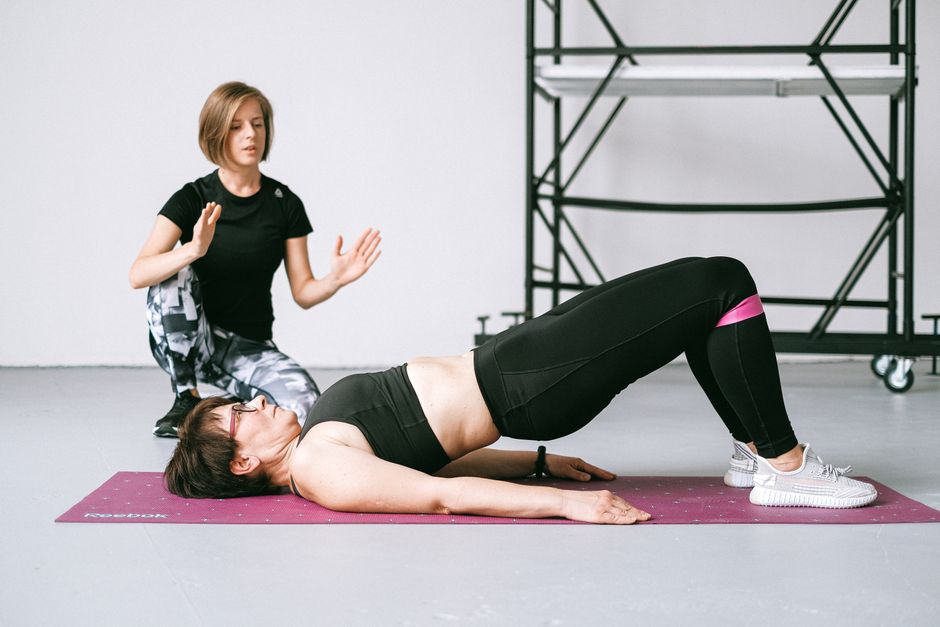
Pelvic floor spasms happen when the muscles that support your bladder, bowel, and uterus tighten and won’t relax. The most effective relief combines three things: physical therapy with a clinician trained in pelvic floor function, targeted relaxation techniques you can do at home, and treatment of any underlying cause such as infection, constipation, or nerve irritation. Quick relief during a spasm usually comes from gentle diaphragmatic breathing and deliberate relaxation of the pelvic muscles, not from pushing or straining harder.
The problem is common and treatable. It is also frequently missed, because pelvic floor tension does not show up on standard imaging and the symptoms can mimic other conditions.
What Causes Pelvic Floor Spasms?
Spasms are a muscle problem, and muscles tighten for reasons. Finding the reason is what separates lasting relief from temporary relief.
The pelvic floor is a bowl-shaped group of muscles that holds the pelvic organs in place and controls urination and bowel movements. Like any muscle, these can become chronically tight, guarded, or stuck in a contracted state. Clinicians call this pelvic floor dysfunction or, when pain is the main feature, pelvic floor myalgia.
Common contributors include:
- Chronic constipation and straining. Repeatedly bearing down trains the muscles to stay tense. This is one of the most overlooked causes.
- Pregnancy and childbirth. Both vaginal and cesarean delivery can affect pelvic floor muscle function. The effect is not limited to vaginal births.
- Surgery or injury in the pelvic area, including hysterectomy or hernia repair.
- Urinary or bowel infections that cause repeated clenching.
- Nerve irritation or sensitization in the pelvis, sometimes after injury or with conditions that affect nerves.
- Prolonged sitting and habitual “holding” patterns, including holding urine for long stretches.
- Stress and anxiety. Many people unconsciously clench the pelvic floor the same way others clench their jaw.
- Interstitial cystitis, endometriosis, and irritable bowel syndrome, which can be associated with pelvic floor tension. The relationship often runs in both directions.
One clarification worth making: pelvic floor spasms are not the same as pelvic floor weakness. The two get confused constantly. Weak muscles need strengthening. Tight, spasming muscles usually need the opposite — down-training and release. Doing Kegels for a hypertonic (overly tight) pelvic floor can make symptoms worse. This is a real and common mistake.
How To Stop Pelvic Floor Spasms Relief Treatment
The right treatment depends on whether your pelvic floor is too tight, too weak, or both — and that is not something you can reliably figure out on your own. A pelvic floor physical therapist can assess muscle tone, coordination, and trigger points through a specialized exam.
Pelvic floor physical therapy is the mainstay of treatment for muscle-based pelvic pain and spasm. It is supported by clinical practice and a growing body of research, though high-quality large trials remain limited compared with many other areas of medicine. A typical course includes:
- Manual therapy — hands-on release of tight muscle bands and trigger points, done internally or externally depending on the muscle involved.
- Biofeedback — sensors that show you, in real time, whether you are contracting or relaxing. Many people with pelvic floor dysfunction genuinely cannot tell the difference at first.
- Down-training exercises — reverse Kegels and relaxation drills that teach the muscles to lengthen.
- Posture and breathing retraining — because the diaphragm and pelvic floor work together.
- Bladder and bowel habits — timed voiding, avoiding straining, and treating constipation.
Some clinicians also use pelvic floor muscle injections, nerve blocks, or electrical stimulation for persistent cases. These are used in clinical practice but the evidence base varies by technique, and they are generally considered after conservative therapy. If a clinician recommends one, it is reasonable to ask what the evidence is for that specific approach in your situation.
What Relieves a Spasm Right Now?
When a spasm is happening, the goal is to help the muscle let go. Force works against you.
The most reliable in-the-moment technique is slow diaphragmatic breathing. Breathe in through your nose and let your belly and lower ribs expand. On the exhale, consciously let the pelvic floor soften — imagine the muscles dropping and widening rather than squeezing. Slow exhales tend to promote relaxation more than quick ones. Repeat for several minutes.
Other measures people find helpful during a flare:
- Warmth. A warm bath or heating pad on the lower abdomen or perineum can ease muscle tension. Use moderate heat and avoid prolonged direct heat on sensitive skin.
- Position changes. Lying on your side with a pillow between your knees, or sitting on a supportive cushion, can reduce pressure on the pelvic floor.
- Gentle movement. Slow walking or gentle stretching can help. Hard exercise during a flare usually does not.
- Avoiding straining. Do not push to urinate or have a bowel movement during a spasm. Straining reinforces the pattern.
If a spasm is severe, persistent, or comes with fever, blood in the urine, inability to urinate, or new severe pain, that warrants medical evaluation rather than self-care. Those signs can point to infection or another condition that needs treatment.
Do Kegels Help or Hurt Pelvic Floor Spasms?
Kegels can help some people and harm others. For a tight, spasming pelvic floor, they often make things worse.
Kegels are contraction exercises. They strengthen the pelvic floor, which is appropriate for weakness — such as after childbirth or with stress incontinence. But if the muscles are already overactive, adding more contraction increases tone. Many people who do Kegels for pelvic pain report worsening symptoms.
The tricky part is that tight and weak can coexist. A muscle stuck in spasm may also be weak in certain functions. That combination is why self-diagnosis is unreliable and why an assessment by a trained clinician matters. The right exercise program depends on what the exam shows.
What Lifestyle Changes Reduce Pelvic Floor Tension?
Daily habits either feed the spasm pattern or calm it. A few changes make a real difference over time.
Treat constipation seriously. This is the single most useful lifestyle change for many people. Adequate fiber and fluid, regular meal times, and not ignoring the urge to go all help. If you are straining regularly, that is worth raising with a clinician.
Stop holding your urine for long stretches. Habitual holding teaches the pelvic floor to stay clenched. Urinate when you feel the urge rather than waiting hours out of habit.
Check your sitting. Long hours in one position, especially with poor support, can increase pelvic floor tension. Standing and moving regularly helps.
Address stress. The pelvic floor responds to stress the way the jaw and shoulders do. Relaxation practices, adequate sleep, and — where relevant — mental health support can reduce unconscious clenching. This is not a cure on its own, but it removes a contributing factor.
Reconsider high-impact exercise during flares. Running and heavy lifting are not inherently bad, but during an active flare, gentler movement is usually more comfortable. Return to higher impact gradually.
When Should You See a Doctor?
See a clinician if pelvic pain or spasm is affecting your daily life, your sleep, your sex life, or your ability to urinate or have a bowel movement. Those are signs the problem deserves proper assessment.
Seek care promptly for:
- Fever with pelvic pain
- Blood in the urine
- Inability to urinate
- New or severe pain
- Pain that is worsening despite self-care
Ask specifically about a referral to pelvic floor physical therapy. Many general practitioners are not trained to assess pelvic floor muscle tone, and this area is often missed. If your symptoms have been dismissed or labeled as “just stress,” it is reasonable to ask for a second opinion or a specialist referral.
The outlook for muscle-based pelvic floor spasms is generally good with appropriate treatment, though timelines vary widely between people. Recovery is usually gradual rather than immediate, and consistency with therapy matters more than any single intervention.
Frequently Asked Questions
How long does it take to stop pelvic floor spasms?
Timelines vary widely depending on the cause and how long the problem has been present, and many people notice improvement over weeks to months with consistent physical therapy. There is no single expected timeline that applies to everyone.
Can pelvic floor spasms go away on their own?
Mild cases sometimes settle with rest, breathing exercises, and treating constipation, but chronic spasms usually need targeted therapy to resolve. Symptoms that persist beyond a few weeks are worth evaluating.
Are pelvic floor spasms the same as a tight pelvic floor?
They overlap but are not identical — a spasm is an involuntary contraction, while a tight pelvic floor is a sustained increase in muscle tone. Many people have both at once.
Should I do Kegels for pelvic floor spasms?
Usually not, because Kegels strengthen muscles that may already be overactive and can worsen symptoms. A pelvic floor physical therapist can assess whether strengthening is appropriate for you.
