
Your gut has its own nervous system. It’s called the enteric nervous system, and it holds hundreds of millions of neurons that talk constantly with your brain. When stress hits, that conversation speeds up. The result can be an urgent, loose bowel movement right before the moment you most need your body to stay calm. To stop it immediately, you need two things: a way to calm the gut-brain signal in the moment, and a plan that reduces how often it happens. Both are possible. Neither is instant magic, but the right steps work well.
The fastest in-the-moment fix is slow, deep breathing that activates your vagus nerve and shifts your body out of the stress response. After that, a consistent daily routine — regular meals, steady sleep, and stress management — reduces how often your gut reacts. For some people, a doctor’s help is needed. That’s not a failure. It’s just how the gut-brain connection works for a lot of people.
Why Does Anxiety Cause Diarrhea and Urgency?
Your gut and brain are connected by a two-way communication system called the gut-brain axis. It runs through the vagus nerve and the hormones your body releases during stress.
When you feel anxious, your body releases adrenaline and cortisol. These trigger the fight-or-flight response. Blood flow shifts away from digestion toward your muscles and heart. Your colon, however, doesn’t simply shut down. In many people it speeds up. The muscles of the colon contract more forcefully, and fluid moves through faster. Less water gets absorbed. The result is loose stool and a strong urge to go.
This is sometimes called the “gut-brain connection” in plain terms, but the physiology is real and well documented. The colon is partly controlled by the autonomic nervous system, which manages things you don’t consciously control. Stress hormones act directly on the gut wall and on the nerves that regulate it.
There’s a detail many people miss. The urge you feel isn’t only about stool volume. Anxiety increases something called visceral sensitivity — how strongly your gut signals register in your brain. The same amount of gas or stool that feels mild when you’re relaxed can feel urgent when you’re stressed. That’s why the feeling can arrive suddenly, even when there isn’t much to pass.
This response is common. It’s not a sign that something is wrong with your body. It’s a normal stress reaction that happens to be inconvenient and embarrassing. For most people it’s occasional. For others, it’s part of a recognized condition called irritable bowel syndrome, or IBS, which often involves this exact pattern.
How To Stop Nervous Poop Immediately For Good?
Two things help in the moment: calming your nervous system and slowing your gut. Neither works instantly for everyone. But these steps are the most reliable things you can do when the urge hits.
Slow your breathing first
Slow, deep breathing is the fastest way to shift your body out of the stress response. Breathe in through your nose for about four seconds. Hold briefly. Breathe out slowly for about six seconds. Repeat for one to two minutes. The long exhale is the part that matters most. It activates the vagus nerve, which helps slow your heart rate and calm the gut.
This isn’t a cure. It’s a tool that works best when you practice it before you need it. People who use it regularly tend to get more out of it during stressful moments.
Use the bathroom without straining
If you feel the urge, go. Holding it in increases pressure and discomfort. Sit with your feet supported and your knees slightly above your hips. Don’t strain or push hard. Straining can make hemorrhoids worse and doesn’t help.
Try a gentle abdominal pressure
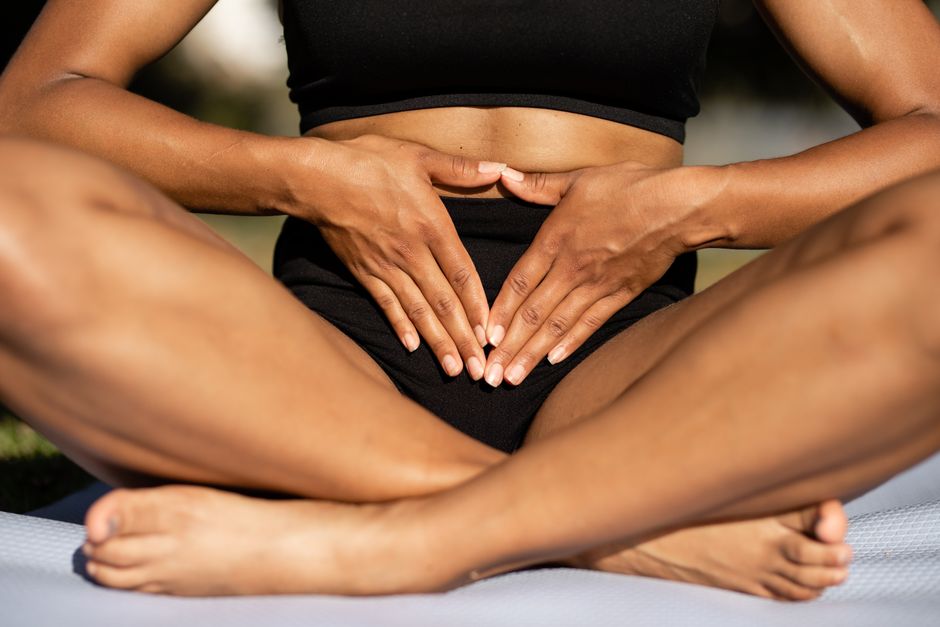
Some people find that placing a warm hand on the lower belly and breathing slowly helps relax the muscles. Others find that lying on your left side eases urgency. These are comfort measures. They aren’t proven treatments, but they’re harmless and some people find them helpful.
Have a plan for the situations that trigger it
The “for good” part comes from reducing how often your gut reacts this way. That means managing stress over time, not just in the moment. Regular exercise, enough sleep, and a consistent daily routine all help regulate the nervous system. So does addressing anxiety directly, whether through therapy, relaxation practices, or support from a doctor.
Cognitive behavioral therapy has good evidence for helping people manage anxiety-related gut symptoms. So does gut-directed hypnotherapy, which some studies suggest can reduce IBS symptoms. These aren’t quick fixes. They take weeks to months. But they target the underlying pattern rather than just the symptom.
What Foods and Habits Make Nervous Poop Worse?
What you eat and drink shapes how your gut responds to stress. Some habits make the reaction stronger and more frequent.
Caffeine is a common trigger. It stimulates the colon directly and can increase urgency, especially on an empty stomach. Alcohol irritates the gut lining and disrupts the bacteria that live there. Spicy foods, fatty meals, and artificial sweeteners bother some people more than others.
Large meals are another factor. Eating a big meal triggers what’s called the gastrocolic reflex — a normal reflex that makes the colon contract after you eat. For people with a sensitive gut, this reflex can be exaggerated and cause urgency soon after eating.
Here’s a comparison of common habits and their likely effect on stress-related urgency:
| Habit | Likely effect on urgency | What helps |
|---|---|---|
| Coffee on an empty stomach | Increases colon activity | Eat first or switch to a gentler drink |
| Large, heavy meals | Triggers stronger gastrocolic reflex | Smaller, more frequent meals |
| Skipping meals | Can worsen gut sensitivity | Regular meal times |
| Alcohol | Irritates gut lining | Reduce or avoid before events |
| Poor sleep | Raises stress hormones | Consistent sleep schedule |
None of these foods are “bad” in general. They’re just more likely to trigger symptoms in people whose gut reacts strongly to stress. Keeping a simple food and symptom diary for a couple of weeks can show you your own pattern better than any general list.
Is It IBS or Just Stress?
It can be both. IBS is a real condition, and stress is one of its most common triggers. But not everyone with stress-related urgency has IBS.
IBS is diagnosed by a pattern of symptoms. The key features are abdominal pain that’s related to bowel movements, changes in how often you go, and changes in stool consistency. These symptoms usually last for months. Stress and certain foods commonly make them worse.
Stress-related urgency without IBS tends to happen mainly in stressful situations. It may not involve much pain. It may not happen every day. It often improves when the stressful period ends.
There’s no single test for IBS. Doctors usually diagnose it by ruling out other conditions and recognizing the symptom pattern. If your symptoms are new, severe, or include blood in your stool, unexplained weight loss, or fever, see a doctor. Those signs need to be checked. They aren’t typical of simple stress-related urgency.
One clarification worth making: having nervous poops does not mean your gut is damaged. The colon is doing what it’s wired to do under stress. The problem is the wiring, not the tissue.
When Should You See a Doctor?
See a doctor if your symptoms are frequent enough to affect your daily life, if they’re getting worse, or if you have any warning signs. Warning signs include blood in your stool, black or tarry stool, unexplained weight loss, fever, or symptoms that wake you at night.
Also see a doctor if you’re over 45 and your bowel habits have changed recently. That’s a general rule many clinicians use, because new bowel changes in this age group deserve a look. It doesn’t mean something is wrong. It means it’s worth checking.
For people with anxiety-related gut symptoms that don’t improve with self-care, a doctor can help. Options include dietary changes, stress management, therapy, and in some cases medication. Some clinicians recommend medications that target gut function, and some recommend treatments for anxiety itself. The right choice depends on your situation, and it’s a conversation to have with a professional, not something to decide from an article.
Can You Prevent Nervous Poop Long-Term?
You can reduce how often it happens, and for many people that’s enough to feel in control. Full prevention isn’t realistic for everyone, because stress is part of life. But the pattern can change.
The most effective long-term approach targets the nervous system. Regular physical activity, enough sleep, and stress management practices all lower the baseline level of stress hormones in your body. Therapy, especially cognitive behavioral therapy, has good evidence for anxiety and for anxiety-related gut symptoms.
Diet can help too. Some people find that eating regular meals, limiting caffeine and alcohol, and identifying personal trigger foods reduces symptoms. There’s no single diet that works for everyone, and restrictive diets can do harm if followed without guidance. If you’re considering a major dietary change, talk to a doctor or dietitian first.
Probiotics are often marketed for gut health. The evidence for them in stress-related gut symptoms is mixed. Some studies suggest certain strains may help some people, but results vary and no single product is proven to work for everyone. They aren’t a reliable fix on their own.
What does help is consistency. The people who see the biggest change are usually the ones who practice stress management regularly, not just when symptoms flare. That’s the honest version of “for good” — not a cure, but a steady reduction in how often and how badly your gut reacts.
Frequently Asked Questions
How do I stop nervous pooping right now?
Slow your breathing with long exhales for one to two minutes and go to the bathroom without straining if you feel the urge. These steps calm the stress response and reduce urgency within minutes for many people.
Why do I get diarrhea when I’m nervous?
Stress hormones speed up colon contractions and reduce water absorption, which leads to loose stool and urgency. Anxiety also makes your gut signals feel stronger than they would when you’re relaxed.
Is nervous poop a sign of IBS?
Not always. IBS involves recurring abdominal pain tied to bowel changes over months, while stress-related urgency can happen without pain or a chronic pattern. A doctor can help tell the difference.
Can nervous pooping be cured for good?
It can often be reduced a lot with stress management, regular meals, and sleep, but full cure isn’t guaranteed for everyone. Therapy and medical guidance can help when self-care isn’t enough.
