
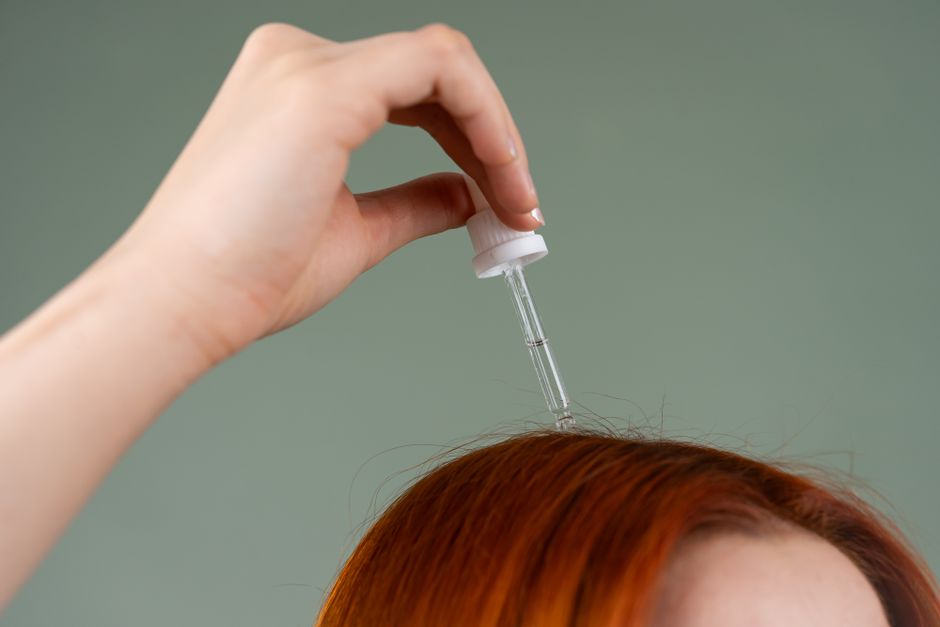
An itchy scalp is one of the most common reasons people ask a pharmacist or doctor about their hair and skin. The fix depends entirely on the cause, and the cause is usually one of a handful of well-understood conditions: dandruff, seborrheic dermatitis, contact irritation from a product, dry skin, or a scalp infection. Matching the treatment to the actual cause is what stops the itch, and using the wrong product is why so many people stay itchy for months.
How To Stop My Head From Itching: Causes and Fixes
The fastest way to stop the itch is to identify which of the common causes fits your situation, because each one responds to a different approach. A flaky, greasy scalp that itches most often points to dandruff or seborrheic dermatitis. Itching with a rash along the hairline after a new product points to contact dermatitis. Itching with no visible flakes and dry, tight skin points to dryness. Itching with sores, crusting, or patches of hair loss points to something that needs a doctor.
Here is how the main causes compare.
| Cause | Typical signs | General approach |
|---|---|---|
| Dandruff | White or yellow flakes, mild itch, no redness | Anti-dandruff shampoo with zinc pyrithione or salicylic acid |
| Seborrheic dermatitis | Greasy yellow scales, redness, itch, often on scalp and eyebrows | Medicated shampoo with ketoconazole or selenium sulfide |
| Contact dermatitis | Itch and rash where product touches skin, burning | Stop the product, use gentle fragrance-free shampoo |
| Dry scalp | Small dry flakes, tight feeling, worse in winter | Moisturizing shampoo, less frequent hot washing |
| Fungal infection (tinea capitis) | Scaly patches, broken hairs, sometimes swelling | Needs prescription oral antifungal — see a doctor |
| Head lice | Intense itch, nits on hair shafts near scalp | Approved lice treatment, combing |
Most itchy scalps fall into the first four rows. The last two need medical care, and treating them with an over-the-counter shampoo will not work.
What Actually Causes an Itchy Scalp?
The scalp has a dense supply of nerve endings and a high concentration of oil glands, which makes it unusually reactive. When something disrupts the skin barrier or triggers inflammation, the itch signal fires quickly and often.
Dandruff and seborrheic dermatitis share a root cause. A yeast called Malassezia lives on almost everyone’s scalp. In some people, the immune system reacts to it with inflammation, which produces flaking and itch. This is why antifungal ingredients help and plain moisturizing shampoos often do not. Seborrheic dermatitis is essentially a more inflamed version of the same process, and it tends to flare with stress and cold, dry weather.
Contact dermatitis is a reaction to an ingredient. Fragrances, preservatives, and some hair dyes are common culprits. The itch usually appears where the product sat on the skin, often along the hairline, behind the ears, or on the neck.
Dry scalp is different from dandruff, though people confuse the two constantly. Dry scalp produces small, dry, white flakes and a tight feeling. Dandruff produces larger, greasier, yellowish flakes. The distinction matters because dry scalp gets worse with harsh anti-dandruff shampoos, while dandruff gets better with them.
Less common causes include psoriasis of the scalp, which produces thick silvery scales and can extend beyond the hairline, and nerve-related itching, which happens without any visible skin change.
Which Shampoos and Ingredients Help?
Medicated shampoos work, but only when the active ingredient matches the cause. The main categories are antifungals, which target the yeast, and keratolytics, which break down scale.
- Zinc pyrithione — reduces yeast and is a common first choice for mild dandruff.
- Ketoconazole — a stronger antifungal, available over the counter in some countries and by prescription in others, used for seborrheic dermatitis.
- Selenium sulfide — slows yeast growth and reduces scale.
- Salicylic acid — loosens flakes but does not treat the underlying yeast, so it works best alongside an antifungal.
- Coal tar — reduces inflammation and scaling; useful for psoriasis and stubborn seborrheic dermatitis, though it has a strong smell.
- Ciclopirox — an antifungal used in some medicated shampoos.
How you use the shampoo matters as much as which one you pick. Work it into the scalp, not just the hair, and let it sit for the time stated on the label before rinsing. Many people rinse too fast, which limits how much the active ingredient can do.
If one ingredient stops working after a few weeks, rotating to a different one is a common approach, because the yeast can become less responsive to a single agent over time. This is widely done in practice, though the evidence for rotation specifically is not strong.





When Is an Itchy Scalp a Sign of Something Else?
Most itchy scalps are not dangerous. A few signs mean you should see a doctor rather than keep experimenting with shampoo.
- Patches of hair loss, or hair that breaks off close to the scalp
- Swelling, pus, crusting, or open sores
- Itching that is severe enough to disturb sleep
- A rash that spreads to the face, neck, or beyond the hairline
- No improvement after several weeks of appropriate treatment
Scalp psoriasis can look like severe dandruff but needs different treatment, often prescription topicals. Tinea capitis, a fungal infection of the scalp itself, is more common in children and requires oral antifungal medication — topical shampoos do not reach the fungus inside the hair follicle. Head lice cause intense itching and are treated with specific lice products, not dandruff shampoo.
Itching without any visible rash can also come from nerve irritation or an underlying medical condition, which is a reason to get it checked if it persists.
Everyday Habits That Reduce Scalp Itching
Small changes to how you wash and style your hair can calm a reactive scalp, regardless of the underlying cause.
Wash with lukewarm water rather than hot. Hot water strips oil from the skin and can worsen both dryness and irritation. Rinse shampoo out completely, since leftover product can trigger itching along the hairline.
Go easy on styling products. Gels, sprays, and heavy pomades can build up on the scalp and trap oil and irritants against the skin. If you use them, give your scalp a break regularly.
Limit harsh chemical treatments. Hair dyes, relaxers, and perms are common triggers for contact dermatitis. If a product burns or itches during use, rinse it out and stop using it.
Manage stress where you can. Seborrheic dermatitis and psoriasis both tend to flare during stressful periods, which is well recognized clinically even though the exact mechanism is not fully mapped.
Avoid scratching, even though it is hard. Scratching damages the skin barrier and can lead to secondary infection, which makes the itch worse in a cycle that is difficult to break.
Does Diet or a Supplement Help an Itchy Scalp?
No diet has been shown to cure dandruff or seborrheic dermatitis. The evidence here is limited, and much of what circulates online is not supported by clinical trials.
Some studies suggest that a diet high in processed foods and sugar may worsen seborrheic dermatitis in some people, but the findings are not consistent enough to make firm recommendations. The relationship between diet and scalp conditions is an active area of research, not a settled one.
Certain nutrient deficiencies can affect skin and hair health, and a doctor can check for these if there is reason to suspect one. Beyond correcting a genuine deficiency, there is no strong evidence that specific supplements stop scalp itching. Be cautious of products marketed for scalp health that claim to fix the problem — most have not been tested in large human trials.
How Long Should Treatment Take to Work?
Medicated shampoos usually reduce itching within one to two weeks of consistent use, though seborrheic dermatitis often needs longer and tends to return when treatment stops. This is a condition to manage, not one that goes away permanently for most people.
If there is no improvement after a few weeks of using the right product correctly, the cause is probably not what you assumed. That is the point to see a doctor or dermatologist, who can look at the scalp directly and, if needed, test for fungal infection or other conditions.
For contact dermatitis, the itch typically settles within days to a couple of weeks after you stop using the offending product, as long as you avoid it completely. Continued exposure keeps the reaction going.
Frequently Asked Questions
Why does my head itch so much?
The most common cause is dandruff or seborrheic dermatitis, driven by a reaction to the Malassezia yeast that lives on the scalp. Other frequent causes include contact dermatitis from hair products, dry scalp, and fungal infections.
What is the fastest way to stop an itchy scalp?
Using a medicated shampoo that matches the cause, and letting it sit on the scalp for the time on the label before rinsing, is the most reliable first step. If a product is the trigger, stopping it is what resolves the itch.
Can an itchy scalp be a sign of something serious?
Most itchy scalps are not serious, but hair loss, sores, swelling, or itching that disturbs sleep should be checked by a doctor. These signs can point to conditions that need prescription treatment.
How often should I wash my hair if my scalp itches?
There is no single correct frequency, but washing with lukewarm water and rinsing thoroughly helps most people. If you use a medicated shampoo, follow the frequency on its label rather than guessing.
