
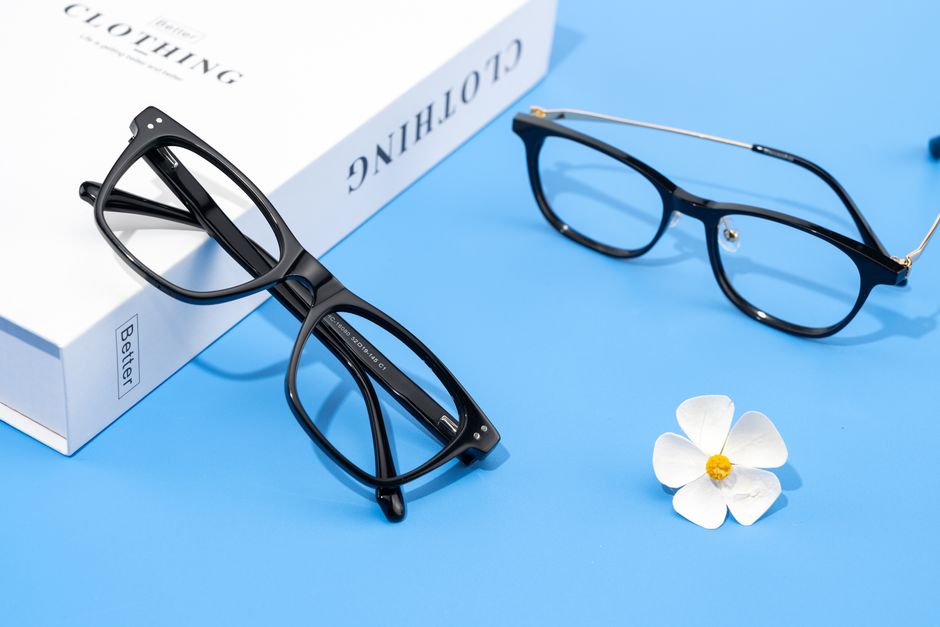
If your glasses slide down your nose, the most direct fix is to adjust the temple arms or nose pads. Most optical shops do this for free in under a minute. You can also try silicone nose pad covers or ear hooks for a quick at-home solution. The right fit keeps your frames stable without constant pushing.
Why Do My Glasses Keep Sliding Down?
Glasses slide because the fit is wrong somewhere. The most common reason is loose temple arms. These are the parts that hook over your ears. Over time, they bend outward and lose grip.
Another cause is oily skin. Natural oils on your nose and behind your ears reduce friction. This makes even well-fitted frames slip. Humidity and sweat make it worse.
Nose pads that are too far apart or worn down also cause sliding. They should sit flush against the sides of your nose bridge. If they are too wide, the frame slides forward. If they are too narrow, the frame sits too high and unstable.
Frame weight matters too. Heavier frames need more grip. Plastic frames without nose pads rely entirely on temple tension. If that tension is weak, the whole frame slides.
How To Stop My Glasses From Sliding Down My Nose With Adjustments
The fastest solution is a professional adjustment. Most optical stores and optometrists will tighten or bend your frames at no cost. They have the right tools and experience to avoid breaking your frames.
You can do simple adjustments at home. For metal frames with nose pads, gently squeeze the pads closer together using your thumbs. This narrows the grip on your nose. Test after each small squeeze. Over-bending can break the pad arms.
For plastic frames without nose pads, heat the temple arms with a hair dryer on low for 20 seconds. Then bend the curved ends inward slightly. This creates a tighter hook behind your ears. Let the plastic cool completely before wearing.
Important: Heat plastic frames carefully. Too much heat warps the shape permanently. If you are unsure, let a professional handle it.
What Products Actually Help Stop Glasses From Sliding?
Several products work well. The best choice depends on your frame type and skin sensitivity.
Silicone nose pad covers slide over existing nose pads. They add grip and cushion. They cost about $5 for a pack of ten. Some people report they collect dirt and need weekly cleaning.
Ear hooks or retainers attach to the temple ends. They loop behind your ear for extra hold. Some are clear silicone and nearly invisible. Others are colored and visible. They work best for active people or heavy frames.
Nose pad grips are small adhesive pads that stick to plastic frames. They add friction where the frame touches your nose. They are disposable and last about one to two weeks per pair.
Here is a quick comparison of common products:
| Product | Cost | Duration | Best For |
|---|---|---|---|
| Silicone nose pad covers | $5-10 per pack | Months | Metal frames with pads |
| Ear hooks | $8-15 per pair | Years | Active use, heavy frames |
| Adhesive nose grips | $10-15 per pack | 1-2 weeks each | Plastic frames without pads |
| Professional adjustment | Often free | Until frame bends again | All frame types |
Some people try wax or putty products that stick to the bridge. The American Academy of Ophthalmology does not recommend these. They can irritate skin and leave residue on lenses.




What Does Research Say About Glasses Fit and Comfort?
Research on glasses slipping is limited but practical. A 2019 study published in Optometry and Vision Science found that proper frame fit significantly reduces the need to adjust glasses during the day. The study measured how often participants pushed their glasses up over eight hours. Well-fitted frames required adjustments less than once per hour. Poorly fitted frames required adjustments four to six times per hour.
The same study noted that nose pad width and temple length were the two most important fit factors. When both were correct, sliding was minimal regardless of frame weight.
The American Optometric Association recommends annual frame adjustments as part of routine eye care. They note that frames naturally loosen over time due to daily wear and temperature changes.
Some evidence suggests that skin type affects slip frequency. A small study from the University of Waterloo found that people with higher sebum production on the nose bridge experienced 40% more frame movement. This supports the use of grip-enhancing products for people with oily skin.
Common Mistakes People Make When Trying To Fix Slipping Glasses
One common mistake is bending the frame too much at home. Over-bending weakens the metal or plastic. It can also misalign the lenses, which affects your vision. If you hear clicking or feel uneven pressure, stop and see a professional.
Another mistake is using superglue or tape on nose pads. These can damage the frame coating and irritate your skin. They also leave sticky residue that is hard to remove.
Some people tighten the screws on the frame hinges too much. This can strip the threads or crack the plastic. Tighten only until snug. If the screw keeps loosening, use a tiny drop of clear nail polish on the threads before tightening. This acts as thread locker.
Wearing glasses too low on your nose is another error. The frame should sit so the center of the lens is roughly in line with your pupil. If you wear them lower, they slide more because your nose bridge is narrower near the tip.
Avoid buying glasses online without trying them on. Virtual try-on tools are improving but cannot measure temple length or nose pad width accurately. A 2020 report from the Vision Council found that 30% of online frame purchases required adjustment within the first week.
When To Consider a New Frame Instead of Fixes
Sometimes no adjustment or product can fix the sliding. This happens when the frame is simply the wrong size for your face.
If your glasses have been adjusted multiple times and still slide, it is time to measure your frame size. The numbers are printed on the inside of the temple arm. They look like 52-18-140. The first number is lens width. The second is bridge width. The third is temple length.
If your bridge width is more than 20 millimeters and you have a narrow nose bridge, that frame may never fit well. Look for frames with a bridge width of 14 to 18 millimeters instead.
Children’s frames or petite adult frames often have smaller bridges. They can work for adults with narrow faces. Do not assume adult frames are the only option.
Some frame styles inherently grip better. Wraparound sports frames or those with adjustable nose pads offer the most customization. Rimless frames are the most difficult to adjust because they lack structure.
If you have had the same prescription for years and your glasses still slide, consider an updated eye exam. Your prescription may have changed, and new frames can be chosen with fit as a priority.
Frequently Asked Questions
Can I use hairspray to stop my glasses from sliding?
Some people spray hairspray on the nose pads for extra grip. This is not recommended because the alcohol in hairspray can damage frame coatings and irritate skin.
How often should I adjust my glasses?
Most people need an adjustment every six to twelve months. If you notice sliding or uneven pressure, get them adjusted sooner.
Do anti-slip waxes work for glasses?
Some people report success with anti-slip waxes designed for glasses. Strong evidence is limited, and these products can leave residue on lenses and skin.
Will losing weight change how my glasses fit?
Yes, significant weight loss can reduce facial volume, especially around the nose bridge and temples. This can make previously well-fitted frames slide more.
