
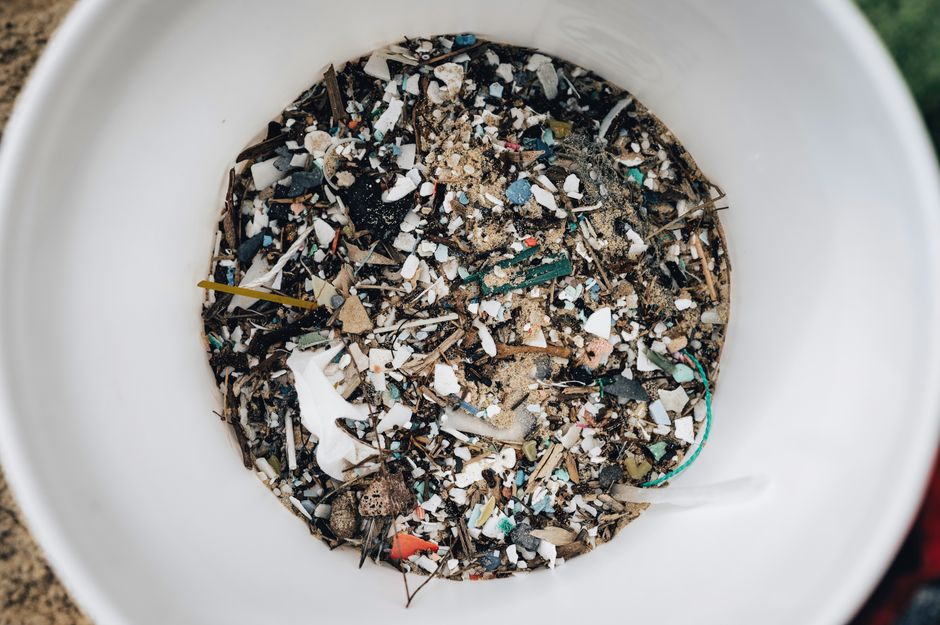
Microplastics are everywhere. They are in the air you breathe, the water you drink, and the food you eat. Stopping microplastic pollution as an individual means filtering your drinking water, choosing natural fibers over synthetics, and avoiding plastic food containers, especially for hot foods. The bigger picture requires systemic change, but your personal exposure can be significantly reduced with a few targeted, evidence-based steps.
What Are Microplastics and Why Should You Care?
Microplastics are tiny plastic fragments smaller than five millimeters. Some are made small on purpose, like the beads in old exfoliating scrubs. Most come from larger plastic items breaking down over time, like a plastic bag in the sun or a tire wearing down on the road.
Research has found these particles in human blood, lungs, and even placentas. The health effects are still being studied, but early evidence is concerning. A 2024 review in the journal Toxics linked microplastics to oxidative stress, inflammation, and potential metabolic disruption in lab studies. We do not know the exact risk at real-world exposure levels yet. But the precautionary principle—reducing exposure when the evidence is suggestive but not conclusive—is reasonable here.
The goal is not to eliminate all plastic from your life. That is unrealistic for almost anyone. The goal is to cut the biggest sources of exposure without driving yourself crazy.
Does How To Stop Microplastic Pollution What Actually Works Actually Work?
Yes, but with an important caveat. Individual actions can reduce your personal intake of microplastics. A 2022 study published in Environmental Science & Technology found that switching from bottled water to filtered tap water reduced a person’s annual microplastic intake by roughly 90%. That is a massive reduction from one single change.
However, no individual action stops the global problem. Microplastics are now part of the planetary ecosystem. They blow across continents in dust. They fall with rain. You cannot create a personal plastic-free bubble. What you can do is lower your own dose, which is a legitimate health goal.
The key is focusing on the routes with the highest exposure. Drinking water, food storage, and household dust are the big three. If you tackle those, you have done the most important work.
What Does the Research Say About Reducing Microplastic Exposure?
The evidence is strongest for drinking water. A 2019 study from the World Health Organization reviewed the data and found that bottled water contains significantly more microplastics than tap water. The study estimated that bottled water drinkers ingest an additional 90,000 particles per year compared to tap water drinkers.
Filtration helps. A basic activated carbon filter can remove particles down to about 0.5 microns. Reverse osmosis systems are even more effective, removing particles down to 0.001 microns. The CDC notes that standard municipal water treatment removes most microplastics already, so the biggest gain comes from skipping bottled water and using a simple pitcher filter.
For food storage, the research is clear about heat. A 2020 study in the Journal of Hazardous Materials found that heating plastic containers—especially in the microwave—releases millions of microplastic particles into the food. The same study found that simply storing food in plastic containers at room temperature released far fewer particles. The conclusion is straightforward: never microwave plastic, and do not put hot food directly into plastic containers.
Household dust is a less obvious source. The United Nations Environment Programme reports that indoor dust can contain high concentrations of microplastics from synthetic carpets, furniture, and clothing. Regular vacuuming with a HEPA filter vacuum and wet mopping can reduce dust levels significantly. This is one area where the evidence is moderate but the action is low-effort, so it is worth doing.




Which Materials Should You Avoid and Which Are Safer?
Not all plastics are equal in terms of risk. Some shed more particles than others. Some leach more chemical additives. Here is a comparison of common materials based on current evidence.
| Material | Common Uses | Shedding Risk | Notes |
|---|---|---|---|
| Polypropylene (PP) | Food containers, bottle caps | Moderate | More heat-stable than others, but still sheds when heated |
| Polyethylene (PE) | Plastic bags, squeeze bottles | High | Common in single-use items, sheds easily with abrasion |
| Polystyrene (PS) | Foam cups, takeout containers | Very high | Breaks down into small particles easily, avoid for hot food |
| Polyester | Clothing, fleece blankets | High | Sheds microfibers in the wash, a major source of water pollution |
| Glass | Food storage, bottles | None | Inert, no shedding, reusable indefinitely |
| Stainless Steel | Water bottles, food containers | None | Durable, no plastic shedding, easy to clean |
The simplest rule is to use glass or stainless steel for food and drink storage whenever possible. For clothing, natural fibers like cotton, wool, and linen do not shed microplastics. They have their own environmental footprint, but they do not contribute to the plastic particle problem.
What About Laundry and Clothing?
Laundry is a major source of microplastic pollution. A 2016 study from the University of California estimated that a single load of synthetic laundry can release over 700,000 microfibers into wastewater. These fibers travel through water treatment plants and end up in rivers and oceans.
Several products claim to capture these fibers. Guppyfriend bags and Cora Balls are laundry bags designed to catch microfibers. A 2020 study in the Marine Pollution Bulletin found that the Guppyfriend bag reduced fiber release by about 54%. That is meaningful but not a complete solution. Washing machine filters like the Lint LUV-R or Filtrol are even more effective, capturing up to 80% of fibers according to independent testing.
Practical steps you can take include:
- Wash synthetic clothes less frequently. They do not need washing after every wear unless visibly dirty or sweaty.
- Use cold water and shorter wash cycles. Hot water and long cycles release more fibers.
- Avoid the dryer for synthetic items. Line drying reduces fiber shedding from abrasion.
- Consider a washing machine filter if you own a front-loading machine. They are relatively easy to install.
These steps will not solve the global microfiber problem. But they will reduce your personal contribution, and for people living near wastewater outflows, they may reduce local environmental burden.
What Should You Ignore or Avoid?
The wellness industry has jumped on microplastics anxiety. You will see products claiming to “detox” your body from microplastics. As of 2026, there is no clinical evidence that any supplement, tea, or cleanse removes plastic particles from human tissue. The body has its own mechanisms for clearing foreign particles, primarily through the liver and kidneys. There is no shortcut.
You will also see expensive water filters marketed as the only solution. A basic carbon block filter is sufficient for microplastic removal. You do not need a $500 system unless you also have concerns about heavy metals or other contaminants. Check your local water quality report first. Most municipal water is already low in microplastics before filtration.
Another common claim is that avoiding all plastic packaging is necessary. This is impractical and may backfire. Glass jars are heavier to transport, which increases fuel use and carbon emissions. Sometimes plastic packaging is the lower-environmental-impact choice for a specific product. The goal is reduction, not elimination. Focus on the high-exposure items: drinking water, hot food containers, and synthetic clothing. Do not worry about the plastic wrap around your vegetables at the grocery store.
Common Misconceptions About Microplastics
One persistent myth is that boiling water removes microplastics. Boiling does not destroy plastic particles. It may even concentrate them as water evaporates. Filtering is the only effective home method for removal.
Another misconception is that biodegradable plastics are safe. Biodegradable plastics break down into smaller pieces faster than conventional plastics. They still create microplastics in the process. Some require industrial composting facilities to degrade fully, which most households do not have access to. Compostable plastics are not a solution to microplastic pollution under current waste management systems.
Some people believe that buying organic food protects them from microplastics. Organic farming does not use synthetic pesticides, but microplastics are in the soil and water regardless. They get into organic produce the same way they get into conventional produce. Washing fruits and vegetables thoroughly can reduce surface particles, but it cannot remove particles that have been absorbed by the plant’s roots.
Frequently Asked Questions
Does boiling water remove microplastics?
No, boiling does not remove microplastics. It may even concentrate them as water evaporates. Filtration is the only effective home method.
Is bottled water safer from microplastics than tap water?
No, research consistently shows bottled water contains significantly more microplastics than tap water. Filtered tap water is the better choice.
Can you sweat out microplastics?
There is no evidence that sweating removes microplastics from the body. The body processes foreign particles through the liver and kidneys, not through sweat.
Do laundry bags like Guppyfriend actually work?
Yes, studies show they reduce microfiber release by about 50%. Washing machine filters are more effective, capturing up to 80% of fibers.
