
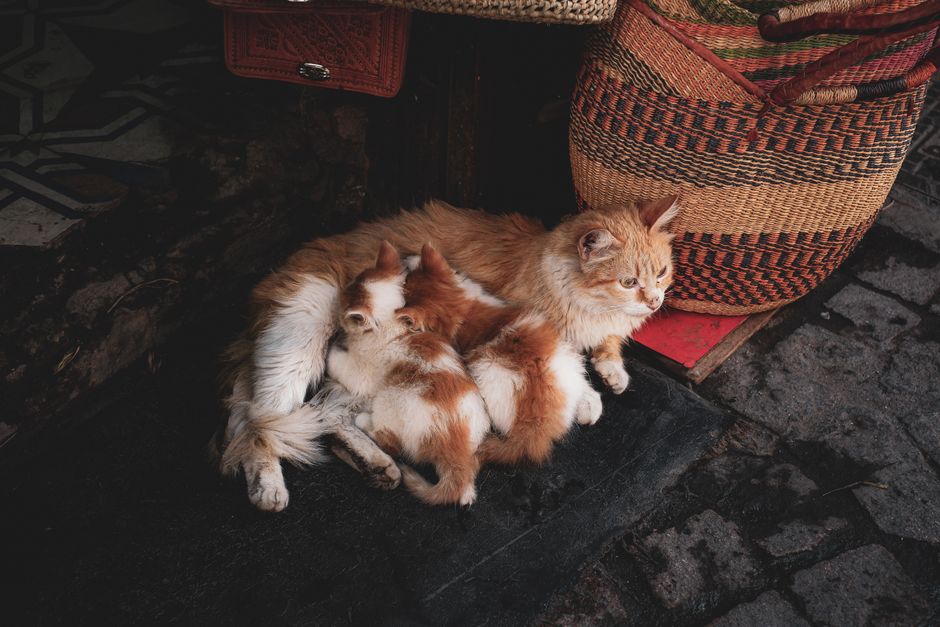
Kittens naturally begin the process of weaning from their mother’s milk around three to four weeks of age. The transition to solid food is a gradual process that typically completes by the time a kitten is eight weeks old. You can help this process along by offering a soft, gruel-like food mixture while the mother cat naturally begins to spend more time away from her litter.
When Should Kittens Start Weaning?
Weaning is a natural developmental stage, not something you force on a kitten. Kittens are born with their eyes closed and rely entirely on their mother’s milk for nutrition and immunity. Around the third week of life, their baby teeth begin to erupt, and their digestive systems start producing the enzymes needed to handle solid food.
This is the signal to begin the weaning process. Starting too early, before three weeks of age, can cause digestive upset and nutritional deficiencies. Starting too late, after eight weeks, can make the transition harder and may slow the kitten’s social development.
Most breeders and veterinarians agree that the ideal weaning window is between three and four weeks of age. The process is usually complete by the time the kitten is eight weeks old, which is also the age when most kittens are ready to leave their mother and go to new homes.
How To Stop Kittens From Nursing: Step-by-Step Weaning Tips
The most effective way to stop kittens from nursing is to replace the need for milk with an appealing alternative. Kittens nurse for two reasons: hunger and comfort. You must address both to make the transition successful.
Start by offering a shallow dish of kitten milk replacer mixed with high-quality wet kitten food. The mixture should be blended until it has the consistency of thin oatmeal or gruel. Warm it slightly to body temperature. Kittens are more likely to accept food that smells and feels similar to their mother’s milk.
Introduce the gruel several times a day, even if the kittens only sniff it at first. Place a small amount on your finger and let the kitten lick it off. This helps them associate the new taste with a positive experience.
As the kittens become more interested in the gruel, gradually thicken it by adding less liquid and more canned food. By five to six weeks of age, most kittens are eating a thicker mash. By seven to eight weeks, they should be eating moistened solid kitten food or small kibble.
During this time, the mother cat will naturally begin to limit nursing sessions. She may stand up when the kittens try to nurse or walk away after a short time. This is normal maternal behavior. You can support her by giving her a quiet, elevated space where she can rest away from the kittens.
Should You Separate the Mother Cat From Her Kittens?
You do not need to fully separate the mother from her kittens to stop nursing. In fact, complete separation is not recommended during the early weaning phase. The kittens still need their mother for warmth, grooming, and social learning.
Instead, use a gradual approach. Provide the mother with a separate area where she can retreat when she needs a break. This could be a spare room, a large carrier with the door open, or a high shelf she can jump to. The kittens learn that nursing is not always available, but their mother is still nearby.
If the mother cat is not present or is unable to nurse, you can wean orphaned kittens using the same gruel method. The timeline is the same. Start offering the gruel at three to four weeks of age and gradually increase the solid food content.
One thing to watch for: if the mother cat’s mammary glands become swollen, firm, or painful, she may be producing too much milk. This can happen if the kittens reduce their nursing quickly. Applying a warm compress to her glands and reducing her food intake slightly for a few days can help her milk production decrease naturally. If the swelling persists or she develops a fever, contact your veterinarian.





What To Feed Kittens During the Weaning Process
The food you offer during weaning matters as much as the timing. Kittens have specific nutritional needs that are different from adult cats. They require high levels of protein, fat, and specific vitamins and minerals for rapid growth.
Use a commercial kitten food formula that is labeled as “growth” or “all life stages.” These formulas are designed to meet the nutritional requirements of growing kittens. Human baby food, cow’s milk, or homemade diets are not appropriate substitutes. Cow’s milk, in particular, can cause diarrhea in kittens because they cannot digest lactose properly after weaning.
Kitten milk replacer is available at most pet stores and veterinary clinics. It is formulated to match the nutritional composition of queen’s milk. If you are using milk replacer, follow the mixing instructions on the package carefully. Do not dilute it more than directed, as this can reduce the calorie and nutrient content.
Wet kitten food is easier for young kittens to eat than dry kibble. It also provides additional moisture, which is important for kidney health. As the kittens grow, you can gradually introduce dry kitten kibble. Many kittens do best on a combination of wet and dry food throughout their first year.
Fresh water should be available at all times, even during the gruel stage. Kittens learn to drink water from a shallow dish around the same time they learn to eat solid food.
Common Weaning Problems and How To Handle Them
Most kittens wean without significant issues, but problems can arise. Knowing what to expect helps you respond calmly and appropriately.
Kitten keeps trying to nurse. This is normal, especially in the first few days. Gently redirect the kitten to the food dish. Do not punish or scold the kitten for nursing behavior. It is instinctive, not naughty.
Kitten is not interested in food. Some kittens take longer to accept solid food. Try mixing a tiny amount of the gruel with the kitten milk replacer alone. You can also try offering the food from a spoon or your finger. If a kitten has not eaten anything by the time it is five weeks old, consult your veterinarian.
Diarrhea during weaning. Loose stools can happen as the kitten’s digestive system adjusts to new food. If the diarrhea is mild and the kitten is otherwise active and eating, it often resolves on its own. If the diarrhea is severe, bloody, or lasts more than 24 hours, seek veterinary care. Dehydration can happen quickly in small kittens.
Mother cat is losing too much weight. Nursing a litter is physically demanding. During weaning, the mother’s calorie needs drop as her milk production decreases. Adjust her food portions accordingly. She should return to her normal adult portions as the kittens transition fully to solid food.
How Long Does the Weaning Process Take?
The complete weaning process takes about four to five weeks. It begins around three weeks of age and is typically finished by eight weeks. Some kittens finish earlier, around six weeks. Others take the full eight weeks. Both are within the normal range.
There is no benefit to rushing the process. Kittens that are weaned too quickly may develop nutritional gaps or behavioral issues like excessive sucking on blankets or other kittens. This sucking behavior is a sign that the kitten’s need for comfort nursing was not fully met.
By the end of the weaning period, the kitten should be eating solid food exclusively, drinking water regularly, and using the litter box consistently. The mother cat will naturally lose interest in grooming and cleaning up after the kittens as they become more independent.
When To See a Veterinarian
Weaning is a normal process, but certain signs warrant a veterinary visit. If a kitten is not gaining weight, appears lethargic, has persistent diarrhea, or refuses to eat for more than 24 hours, seek professional advice. Kittens have small energy reserves and can decline quickly.
Also watch the mother cat. If she develops a fever, refuses to eat, or shows signs of mastitis — such as red, hot, or painful mammary glands — she needs veterinary attention. Mastitis is a bacterial infection of the mammary tissue and requires treatment.
Your veterinarian can also provide guidance on vaccination schedules and deworming, which typically begin around six to eight weeks of age. Weaning is a good time to schedule that first wellness visit.
Frequently Asked Questions
At what age can kittens start eating solid food?
Kittens can start eating a soft gruel mixture at three to four weeks of age. They should be fully on solid food by eight weeks old.
How do I stop a kitten from nursing on its mother?
Offer a warm gruel of kitten milk replacer and wet kitten food several times a day while allowing the mother to have quiet time away from the litter. The kitten will naturally choose the food as it becomes more filling.
Can I take a kitten away from its mother to stop nursing?
No, sudden separation is not recommended before eight weeks of age. Gradual weaning while keeping the mother nearby supports both nutrition and social development.
What do I do if my kitten won’t eat solid food during weaning?
Try offering the gruel from your finger or a spoon and warming it slightly. If the kitten still refuses to eat by five weeks of age, contact your veterinarian.
