
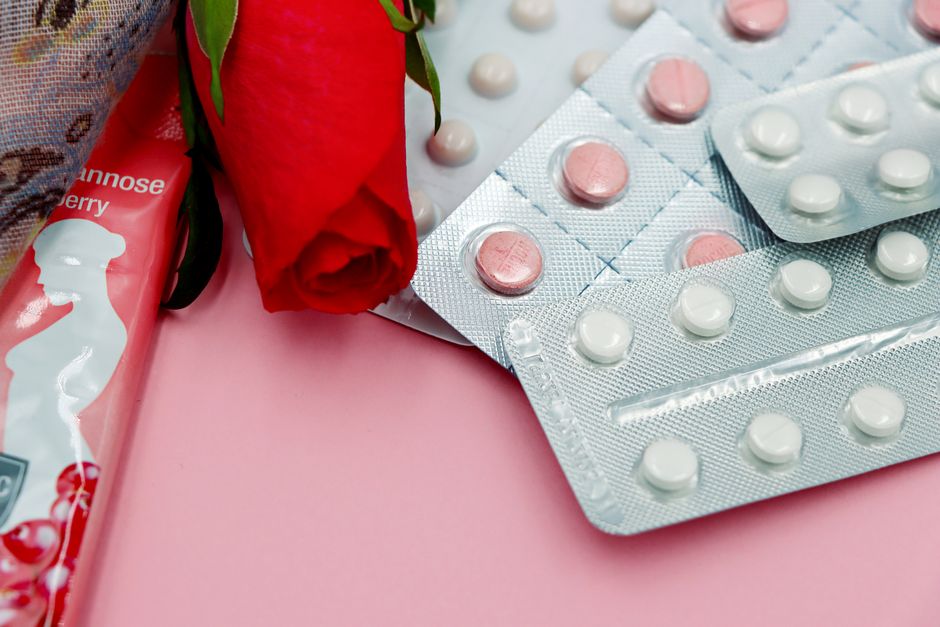
If you mean prescription hormones — birth control, hormone therapy, or gender-affirming treatment — the answer is: only with a clinician’s guidance, because stopping suddenly can cause real physical effects. If you mean the hormones your body makes on its own, you cannot “stop” them, but you can influence some of them through medical treatment, lifestyle, or both. The right approach depends entirely on which hormones you are asking about and why.
This article covers the most common situations people mean when they search this question, what actually happens when hormone levels change, and where the evidence is solid versus where it is thin.
What Does “Stopping Hormones” Actually Mean?
The phrase gets used for at least four different situations, and they are not interchangeable. Getting them mixed up is the main reason people get confused about what to expect.
- Stopping a hormonal medication — birth control pills, patches, rings, implants, injections, or hormone replacement therapy. This is a decision you make with a doctor.
- Suppressing your body’s own hormones — for example, medications used in endometriosis, prostate cancer, or gender-affirming care that lower testosterone or estrogen production.
- Reducing a hormone your body makes too much of — thyroid hormone, cortisol, or others, usually because of a diagnosed condition.
- Trying to “balance” hormones through diet, supplements, or lifestyle — a popular idea with far less evidence behind it than the marketing suggests.
Only the first two involve a decision to stop something. The third is treatment of a medical condition. The fourth is mostly a wellness concept, and the science there is weaker than most people realize.
Can You Stop Your Body’s Natural Hormones?
No. Your endocrine system produces hormones continuously, and they control everything from blood sugar to body temperature to reproduction. There is no diet, supplement, or lifestyle change that switches off hormone production.
What people usually mean is that they want to lower a hormone that seems too high, or raise one that seems too low. That is a different goal, and it is achievable in some cases and not others.
For example, insulin resistance can be improved through weight loss, exercise, and diet in some people with type 2 diabetes — and that does lower insulin levels over time. But thyroid hormone production is not something you can meaningfully change through diet. If your thyroid is underactive, no food or supplement replaces prescription thyroid hormone.
This is where a lot of wellness marketing goes wrong. It treats all hormones as if they respond to the same levers. They do not.
How Do You Stop Hormonal Birth Control Safely?
You stop by simply not taking the next dose, but the timing and method matter depending on which form you use. For most methods, you do not need to taper.
Combined birth control pills, the patch, and the ring: you can stop at the end of a pack or cycle. Your body returns to its baseline cycling pattern, though it may take a few months for periods to become regular again. Some people get irregular bleeding or miss a period in the first cycle or two after stopping. This is common and not dangerous.
The implant and the hormonal IUD need to be removed by a clinician. The shot (depot medroxyprogesterone acetate) cannot be “undone” — once injected, it stays in your system for months, and return of fertility can take longer than with other methods. This is a known and documented difference.
One point that surprises people: you do not need to “detox” or “cleanse” after stopping hormonal birth control. There is no buildup to clear. Your liver and kidneys handle hormone metabolism continuously, and levels normalize on their own timeline.
What Happens When You Stop Hormone Replacement Therapy?
Symptoms can return, sometimes quickly. That is the main thing to know.
Hormone replacement therapy for menopause — usually estrogen, sometimes with progesterone — relieves hot flashes, night sweats, and vaginal dryness. When you stop, those symptoms often come back. How severe they are varies widely from person to person, and some women find symptoms are milder than before they started.
Some clinicians recommend tapering the dose gradually rather than stopping all at once, on the reasoning that it may reduce the intensity of returning symptoms. The evidence that tapering works better than stopping abruptly is limited. It is common practice, not a strongly established finding.
If you are stopping systemic hormone therapy, do it with your prescriber. The decision involves your personal risk profile, how long you have been on it, and why you started.
Can You Stop Hormones With Diet or Supplements?
For most hormones, no — and this is where the gap between marketing and evidence is widest.
There is no supplement proven to lower estrogen, testosterone, or cortisol to a target level in otherwise healthy people. Products marketed for “hormone balance” typically contain herbs or plant compounds with limited or no human trial data showing they change hormone levels meaningfully.
A few things do have real evidence behind them, but they are narrower than the marketing suggests:
- Weight loss can lower insulin levels and improve insulin sensitivity in people with excess body fat. This is well established.
- Reducing alcohol intake can affect estrogen metabolism, though the clinical significance is still being studied.
- Treating an underlying condition — like a thyroid disorder or polycystic ovary syndrome — with proper medical care is the only reliable way to change the hormones involved.
If a product claims to “stop” or “reset” your hormones, that claim is not supported by clinical evidence. Hormones are not something you switch off with a pill from a supplement aisle.
What Are the Risks of Stopping Hormones Suddenly?
For most hormonal medications, stopping suddenly is not dangerous, but it can cause uncomfortable symptoms. There are a few exceptions worth knowing.
Stopping corticosteroids abruptly after long-term use can be genuinely dangerous. These medications suppress your adrenal glands’ natural cortisol production, and stopping too fast can cause adrenal crisis — a medical emergency. This must always be tapered under medical supervision.
Stopping thyroid hormone abruptly, if you have hypothyroidism, brings back the symptoms of an underactive thyroid — fatigue, weight gain, cold intolerance, and others.
Stopping gender-affirming hormone therapy can reverse physical changes that took time to develop, and some changes are not fully reversible. This should be a planned decision with a knowledgeable clinician.
For birth control pills and menopausal hormone therapy, the main effects of stopping are return of symptoms or return of your natural cycle. Not dangerous, but worth expecting.
How Long Does It Take for Hormones to Return to Normal?
It depends entirely on which hormone and which method. There is no single timeline.
After stopping combined birth control pills, most people ovulate within the first cycle or two, but it can take several months for cycles to become regular. After the birth control shot, return of fertility can take considerably longer — sometimes many months after the last injection.
After stopping menopausal hormone therapy, your body returns to its postmenopausal baseline. Symptoms may return within days to weeks.
For thyroid hormone, cortisol, or other hormones tied to a medical condition, “normal” is not the goal — the goal is a level that controls your symptoms and is safe for you, which usually means continuing treatment rather than stopping it.
If you are stopping a hormone medication and your symptoms are severe, lasting, or worrying, that is a reason to talk to your prescriber rather than wait it out.
When Should You Talk to a Doctor Before Stopping?
Always, if the hormone was prescribed. There is no situation where stopping a prescribed hormone without telling your clinician is the safer choice.
Some situations need a planned taper or a substitute treatment. Others need monitoring to make sure your body responds the way it should. And some hormones should not be stopped at all without a replacement plan.
If you are considering stopping because of side effects, cost, or a change in your goals, say so directly. There is often an alternative — a different dose, a different form, or a different medication — that you would not know about on your own.
Frequently Asked Questions
Can I stop taking birth control pills on my own?
Yes, for most combined pills you can stop at the end of a pack without a taper. If you use an implant, IUD, or the shot, talk to a clinician first because those need different handling.
Do hormones need to be tapered when you stop them?
Some do and some do not. Corticosteroids taken long-term must be tapered to avoid a dangerous adrenal reaction, while most birth control pills and menopausal hormone therapy can be stopped without tapering.
Can you stop hormones naturally with food?
No food or supplement has been shown to switch off hormone production in otherwise healthy people. Diet and weight loss can affect insulin and some other hormones, but that is different from stopping them.
What happens if you stop hormone replacement therapy suddenly?
Menopausal symptoms like hot flashes and night sweats often return, sometimes within days. Some clinicians recommend a gradual taper, but the evidence that tapering is better than stopping abruptly is limited.
