
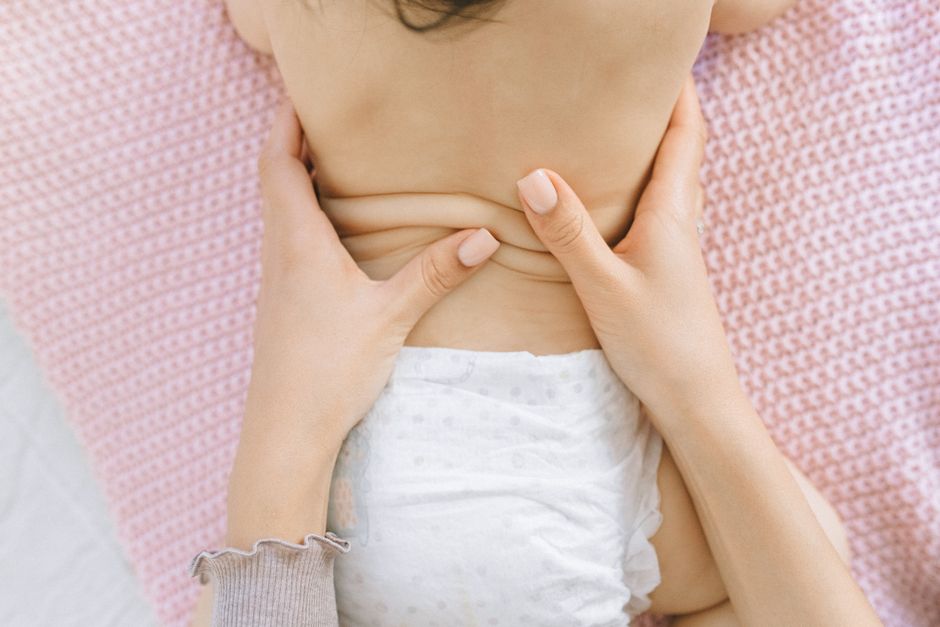
Hiccups in newborns are common, usually harmless, and almost always stop on their own within a few minutes. You can help them end sooner by pausing the feeding, holding your baby upright, burping them gently, and giving them a pacifier to suck on. Most newborn hiccups need no treatment at all, and they rarely bother the baby.
Newborn hiccups can look and sound distressing to a new parent. The sharp little squeaks, the tiny body jolts, the way they seem to go on and on. But hiccups are a normal part of early life. Understanding why they happen makes it easier to stay calm and know when to simply wait.
Why Do Newborns Get Hiccups So Often?
Newborns hiccup far more often than older children and adults, and there is a physiological reason for it. The diaphragm is a dome-shaped muscle that sits below the lungs and drives breathing. In newborns, the nerve circuits that control the diaphragm are still maturing. That immaturity makes the muscle prone to sudden, involuntary contractions — which is exactly what a hiccup is.
One detail that surprises many parents: hiccups are so common in fetuses and newborns that researchers consider them a normal developmental event, not a malfunction. Some research suggests fetal hiccups may play a role in helping the breathing muscles practice and mature before birth. The evidence on that is still developing, but it fits with how frequently hiccups occur in healthy babies.
Feeding is the most common trigger. A baby who eats quickly swallows air along with milk. A full stomach presses upward against the diaphragm. Either can set off a bout of hiccups. Temperature changes, crying spells, and even nothing at all can also bring them on.
How To Stop Hiccups In Newborns: Step by Step
These steps work for most healthy newborns. Go through them in order and give each one a few minutes before moving to the next. Most bouts of hiccups resolve with the first two or three steps.
- Pause the feeding. If your baby is hiccupping mid-feed, stop for a moment. Let them settle before offering the breast or bottle again. Rushing through a feed is a common trigger.
- Hold your baby upright. Keep them vertical against your shoulder for a few minutes. Gravity helps trapped air move up and out, and it takes pressure off the diaphragm.
- Burp gently. Pat or rub your baby’s back with a firm but gentle hand. Burping releases swallowed air, which is often the whole cause of the hiccups.
- Offer a pacifier. Sucking helps relax the diaphragm in many babies. If your baby takes a pacifier and you are comfortably past the early breastfeeding establishment period, this is a simple option.
- Try a calm, dark, quiet space. Reducing stimulation can help a baby settle, which in turn lets the hiccups fade.
- Wait it out. If nothing works, let the bout run its course. Newborn hiccups typically stop within a few minutes on their own.
A note on timing: if your baby is hungry and hiccupping, feeding is still fine. Hiccups do not mean your baby cannot eat. Many babies feed right through them without any trouble.
What Actually Works and What Does Not
Most folk remedies for adult hiccups do not apply to newborns and some are unsafe. It helps to know the difference between a harmless trick and something that could hurt your baby.
Do not use these on a newborn:
- Pulling on the tongue or pressing on the eyeballs. These are sometimes mentioned for adults. They are not appropriate for infants.
- Giving water or any liquid to stop hiccups. Newborns should only take breast milk or formula. Water is not recommended for infants in this age range.
- Startling the baby. Sudden fright is a common adult remedy and a bad idea for a newborn.
- Holding the baby upside down or bouncing them hard. Never do this.
What does help is simpler: slow the feeding, keep the baby upright, and burp well. Those steps address the actual cause — swallowed air and a full stomach pressing on the diaphragm.





When Should You Worry About Newborn Hiccups?
In an otherwise healthy baby, hiccups are not a sign of illness and do not need medical attention. They do not harm the baby, do not interfere with breathing, and do not cause lasting problems. That is the reassuring part, and it is well established.
There are situations, though, where hiccups come alongside other symptoms and deserve a call to your pediatrician. Watch for hiccups that:
- Come with difficulty breathing, grunting, or a change in skin color
- Happen with feeding problems, poor weight gain, or frequent spitting up that seems painful
- Occur with arching of the back, crying that will not settle, or signs of discomfort during feeds
- Persist for unusually long stretches and seem to distress your baby
These signs do not mean hiccups are the problem. They mean something else may be going on — reflux, for example, or a feeding issue — and hiccups are just along for the ride. When in doubt, call your pediatrician. That is always the right move.
Can You Prevent Newborn Hiccups?
You cannot prevent every bout, but you can reduce how often they happen. Most prevention comes down to feeding technique.
Feed your baby before they get overly hungry. A very hungry baby tends to gulp, which means more swallowed air. Keep the bottle at an angle that keeps the nipple full of milk, not air. Burp partway through the feed rather than only at the end. And keep feeds calm and unhurried when you can.
Some parents find that a slightly more upright feeding position helps. Others notice hiccups cluster at certain times of day. There is no single fix that works for every baby, and that is normal. What matters is that the basics are in place.
Do Hiccups Mean Something Is Wrong With My Baby?
No. Hiccups in a healthy newborn are a normal reflex tied to an immature diaphragm and nervous system, not a warning sign. They are so common in the first months of life that pediatricians treat them as expected, not concerning.
The reflex fades as your baby grows and the diaphragm and its nerve control mature. Most parents notice fewer hiccups as the months pass. There is no set timeline that applies to every baby, so do not worry if your baby hiccups more than a friend’s baby does.
The Bottom Line for Parents
Newborn hiccups are common, harmless, and usually brief. Pause the feed, hold your baby upright, burp gently, and let the bout pass. Skip the folk remedies — they are not made for infants. And if hiccups ever come with breathing trouble, feeding problems, or clear distress, call your pediatrician.
Frequently Asked Questions
How long do newborn hiccups usually last?
Most bouts of newborn hiccups stop within a few minutes on their own. If a bout lasts much longer or clearly distresses your baby, call your pediatrician.
Should I feed my baby during hiccups?
Yes, it is usually fine to feed a hiccupping baby if they are hungry. Pausing to burp and holding them upright can help the hiccups settle first.
Can hiccups hurt a newborn?
No, hiccups do not harm a healthy newborn and do not interfere with breathing. They are a normal reflex tied to an immature diaphragm.
When should I call the doctor about newborn hiccups?
Call your pediatrician if hiccups come with breathing difficulty, skin color changes, feeding problems, poor weight gain, or signs of pain. Hiccups alone do not need medical attention.
