
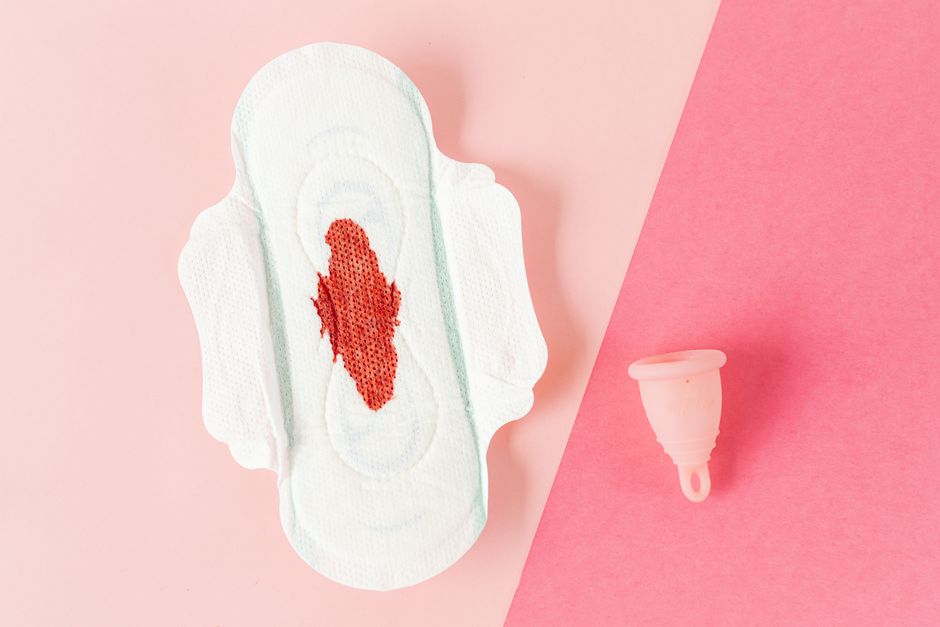
Heavy period bleeding is common, and some home measures can genuinely help — but the honest answer is that home remedies manage symptoms rather than cure the underlying cause. If you are soaking through a pad or tampon every hour for two or more hours, passing blood clots larger than a quarter, or feeling dizzy or short of breath, that is not a situation for home remedies. Seek medical care promptly. For milder heavy bleeding, a few evidence-informed steps can reduce the flow and help you feel more in control.
What Counts as Heavy Period Bleeding?
Heavy menstrual bleeding is defined by how much blood you lose and how much it affects your life, not by how long your period lasts. Clinically, bleeding that lasts more than seven days, requires changing protection every hour, or involves clots larger than a quarter is considered heavy.
Doctors also use a simple scoring tool that asks about how often you change pads or tampons, how often you pass clots, and whether bleeding interferes with daily activities. A high score suggests heavy bleeding worth investigating.
The amount matters because heavy bleeding can lead to iron-deficiency anemia over time. Fatigue, pale skin, shortness of breath, and a racing heart are signs your blood count may be low. These are reasons to see a doctor rather than rely on home care.
One clarification worth knowing: a “normal” period varies widely between people. What is heavy for one person may be typical for another. The clinical definition focuses on whether bleeding disrupts your health and daily life, not on a fixed number of days or pads.
What Causes Heavy Period Bleeding?
Most heavy bleeding has an identifiable cause, and finding it is the most important step toward controlling it. Home remedies work best when they support — not replace — a proper diagnosis.
Common causes include:
- Hormonal imbalances — thyroid problems, polycystic ovary syndrome, and shifts around perimenopause can all change bleeding patterns.
- Uterine fibroids and polyps — noncancerous growths in the uterus are a frequent cause of heavy bleeding, especially in people in their 30s and 40s.
- Adenomyosis — when uterine lining tissue grows into the muscle wall, periods can become heavy and painful.
- Bleeding disorders — conditions affecting blood clotting can cause heavy periods, sometimes from the first period onward.
- Medications — blood thinners and some hormonal treatments can increase flow.
Because these causes require different treatments, a home remedy that helps one person may do little for another. If your bleeding has changed recently or is getting worse, that pattern itself is worth a medical visit.
How To Stop Heavy Period Bleeding With Home Remedies
No home remedy reliably stops heavy bleeding on its own, but several can reduce flow, ease cramping, and support your body during your period. Think of them as supportive measures alongside medical care, not replacements for it.
Nonsteroidal anti-inflammatory drugs (NSAIDs)
Ibuprofen and similar NSAIDs are among the better-supported over-the-counter options for heavy periods. They reduce prostaglandins — hormone-like compounds that drive cramping and contribute to bleeding — and some studies suggest they can modestly reduce menstrual blood loss. They are not appropriate for everyone. People with stomach ulcers, kidney disease, or certain bleeding disorders should avoid them, and anyone taking blood thinners should check with a clinician first. Take them only as directed on the label or as your doctor advises.
Iron-rich foods and iron supplementation
Heavy periods drain iron, and low iron can make you feel exhausted and worsen the cycle of fatigue. Eating iron-rich foods — lean red meat, lentils, beans, spinach, and fortified cereals — helps. Pairing plant iron with vitamin C (citrus, peppers, tomatoes) improves absorption. Whether you need an iron supplement depends on your blood levels, so ask your doctor before starting one. Taking iron you do not need carries risks.
Cold compresses and rest
A cold pack on the lower abdomen can ease cramping, though it will not reduce blood loss. Rest and gentle movement — like walking — may help you feel better without straining your body. There is no strong evidence that cold compresses change bleeding volume, so treat this as comfort care.
Hydration and balanced meals
Staying hydrated and eating regular meals supports how you feel during your period. There is no evidence that specific foods stop heavy bleeding, so be skeptical of any remedy claiming to do so.
Do Herbal Remedies and Supplements Work?
The evidence for most herbal remedies for heavy periods is limited, and some carry real risks. A few have been studied, but results are mixed and not strong enough to recommend them as reliable treatment.
Some small studies have looked at supplements like vitamin C, vitamin E, and fish oil for menstrual symptoms. The findings are not consistent enough to present these as proven treatments for heavy bleeding. Herbal products are also loosely regulated in the United States, meaning what is on the label may not match what is in the bottle.
Certain herbs and supplements can interact with medications or affect bleeding. For example, some have blood-thinning effects that could make heavy bleeding worse. If you are considering any supplement, talk to a pharmacist or doctor first — especially if you take prescription medication or have a bleeding disorder.
No herbal remedy currently has strong clinical evidence showing it stops heavy menstrual bleeding.
When Home Remedies Are Not Enough
Home remedies are supportive care, not treatment for the underlying cause. If your bleeding is heavy by the clinical definition, or if it is affecting your energy and daily life, medical evaluation is the next step.
See a doctor promptly if you have:
- Soaking through a pad or tampon every hour for two or more hours
- Blood clots larger than a quarter
- Bleeding that lasts more than seven days
- Dizziness, shortness of breath, or a racing heart
- Bleeding between periods or after sex
- Heavy bleeding that is new or getting worse
Medical treatment options for heavy periods are well established and include hormonal treatments, tranexamic acid (a prescription medication that reduces bleeding), and procedures for specific causes like fibroids. These are decisions to make with a clinician who can identify what is driving your bleeding.
An important point many people miss: heavy periods are not something you simply have to live with. Most causes are treatable, and getting the right diagnosis often brings more relief than any home remedy can.
Can Lifestyle Changes Reduce Heavy Period Bleeding?
Lifestyle changes will not cure heavy bleeding, but some can improve how you feel and support overall health. There is no strong evidence that any single lifestyle change reliably reduces menstrual blood loss.
Maintaining a healthy weight, managing stress, and getting regular sleep support general health and may help with hormonal balance over time. Regular moderate exercise is generally good for menstrual health, though it will not stop heavy bleeding. If you smoke, quitting supports blood vessel health and overall well-being.
Track your periods — noting flow, clots, and symptoms — so you can share clear information with a doctor. This simple step often helps clinicians identify patterns and choose the right tests.
Frequently Asked Questions
Can home remedies actually stop heavy period bleeding?
Home remedies can reduce symptoms and support your body, but they do not reliably stop heavy bleeding or treat its cause. If your bleeding is heavy by clinical standards, see a doctor for proper evaluation.
What is the fastest way to stop heavy period bleeding at home?
There is no fast home fix that reliably stops heavy bleeding. Over-the-counter NSAIDs like ibuprofen may modestly reduce flow and cramping for some people, but they are not appropriate for everyone.
When should I see a doctor for heavy period bleeding?
See a doctor if you soak through protection every hour for two or more hours, pass clots larger than a quarter, bleed longer than seven days, or feel dizzy or short of breath. These signs warrant prompt medical care.
Do herbal supplements help with heavy periods?
The evidence for herbal supplements is limited and results are mixed, so no herbal remedy is a proven treatment for heavy bleeding. Some can interact with medications or affect clotting, so check with a doctor or pharmacist first.
