
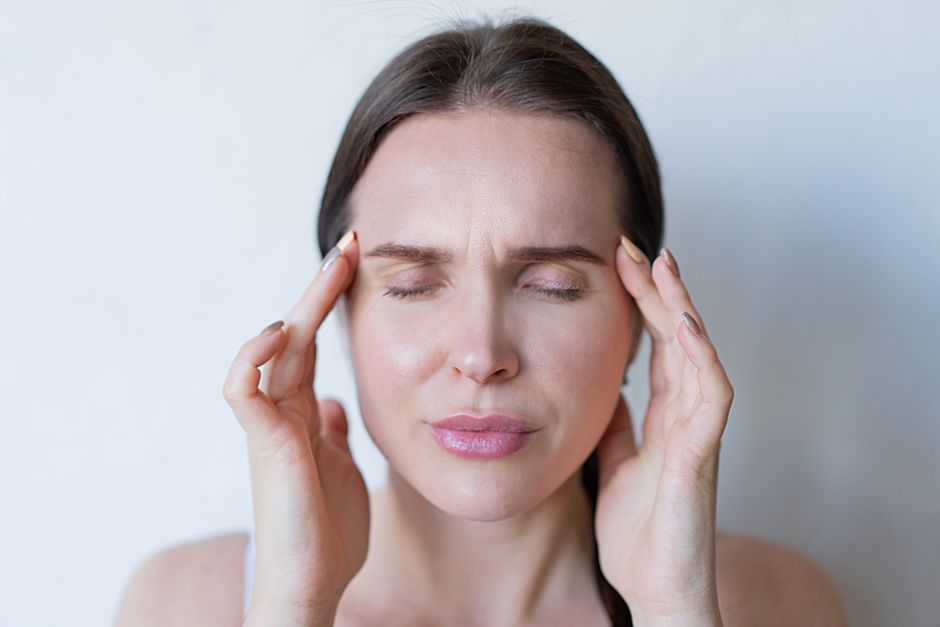
There is no switch that turns off a headache in one second. But there are steps that can ease pain within minutes for some people, and the fastest reliable option for a bad headache is usually a pain reliever taken early, at the first sign of symptoms. Most everyday headaches are tension-type headaches, and they often respond to a combination of medication, cold or heat, hydration, and rest in a quiet, dim room.
How To Stop Headache Instantly: What Actually Works Fast
Nothing stops a headache instantly in the literal sense. What works fast is acting early. When you treat a headache in the first 20 to 30 minutes, it is often easier to control than when you wait for it to build.
The fastest options that have real evidence behind them:
- Over-the-counter pain relievers — ibuprofen, acetaminophen, aspirin, or naproxen. Taken at the first sign, these can reduce pain within 30 to 60 minutes for many people.
- Caffeine plus a pain reliever — caffeine narrows blood vessels and can boost the effect of some pain medications. It is included in several combination headache products for this reason.
- Cold pack on the forehead or temples — some research suggests cold therapy can ease migraine pain, though results vary.
- Water — if you are dehydrated, drinking fluids can help resolve a headache caused by fluid loss.
- Rest in a dark, quiet room — this is especially helpful for migraines, where light and sound make pain worse.
Which one works fastest depends on the type of headache you have. A tension headache may ease with a pain reliever and a warm shower. A migraine often needs a darker room, and sometimes a prescription medication.
Why Does Treating a Headache Early Matter So Much?
Headache pain tends to build through a process called central sensitization. When pain signals keep firing, the nervous system becomes more sensitive, and the same stimulus starts to hurt more. Once that happens, the same medication that would have worked an hour earlier may not be enough.
This is why headache specialists often say the single most important thing you can do is treat at the first twinge, not after the pain peaks. It is also why waiting to “see if it gets worse” usually backfires.
There is one important limit. Treating headaches with pain relievers too often — generally more than two to three days per week — can cause medication-overuse headache, a condition where the medication itself starts triggering daily pain. If you find yourself reaching for a pain reliever most days, that is a signal to talk to a doctor rather than a strategy.
Does Cold or Heat Help a Headache?
Cold and heat work differently, and the right choice depends on the headache type.
Cold is generally used for migraines and throbbing pain. A cold pack on the forehead, temples, or back of the neck can numb the area and slow pain signals. Some studies suggest cold therapy reduces migraine intensity, though the evidence is not strong enough to call it a reliable treatment on its own.
Heat is generally used for tension headaches, especially when neck and shoulder muscles feel tight. A warm shower, heating pad, or warm compress on the neck can relax muscle tension that contributes to the pain.
Neither is a cure. Both are comfort measures that may reduce pain while other treatments take effect.
What About Pressure Points and Massage?
Pressing on certain points — the web between thumb and index finger, the base of the skull, or the temples — is a common folk remedy for headaches. Some small studies suggest acupressure may reduce headache pain, but the evidence is limited and results are inconsistent.
Massage of the neck and shoulders is more defensible. If muscle tension is driving the headache, relaxing those muscles can reduce pain. It is not instant, and it does not work for migraines in the same way.
What these methods have in common is that they are low-risk. If they help, they help. If they do not, they are unlikely to cause harm.
When Is a Headache a Medical Emergency?
Most headaches are not dangerous. A small number are. Seek emergency care immediately if a headache:
- Comes on suddenly and severely — often described as a thunderclap or the worst headache of your life
- Comes with fever, stiff neck, confusion, seizures, or fainting
- Follows a head injury
- Comes with weakness, numbness, trouble speaking, or vision loss
- Is new and starts after age 50
- Gets steadily worse over days or weeks
These signs can point to bleeding in the brain, meningitis, stroke, or another serious cause. They are uncommon, but they are the reason a headache that feels different from your usual pattern deserves prompt medical attention rather than a pain reliever and a nap.
How Do You Prevent Headaches From Coming Back?
Prevention is where most people get the biggest long-term improvement. Common triggers include dehydration, skipped meals, poor sleep, alcohol, caffeine withdrawal, stress, and eye strain.
A few habits that help many people:
- Drink water consistently through the day, not just when you feel thirsty
- Eat regular meals — low blood sugar can trigger headaches
- Keep a consistent sleep schedule, including weekends
- Limit alcohol, especially red wine and beer for some people
- Take breaks from screens and adjust lighting to reduce eye strain
- Track your headaches in a simple log to spot patterns
If headaches happen more than a few times a month, or if they interfere with work or sleep, that is a reason to see a doctor. Preventive medications exist and are often underused. So does botulinum toxin for chronic migraine, which has solid trial evidence for that specific diagnosis.
What Type of Headache Do You Have?
Knowing the type changes what works. The table below summarizes the most common patterns. This is a general guide, not a diagnosis.
| Feature | Tension-type | Migraine | Cluster |
|---|---|---|---|
| Pain quality | Pressing, tight band | Throbbing, pulsing | Severe, stabbing |
| Location | Both sides | Often one side | One side, around eye |
| Light/sound sensitivity | Rare | Common | Restlessness, not usually |
| Nausea | Rare | Common | Sometimes |
| Duration | 30 min to several days | 4 to 72 hours | 15 min to 3 hours |
| Typical fast relief | Pain reliever, heat, rest | Dark room, pain reliever, triptan | Prescription oxygen, triptan |
Cluster headaches are rare and extremely painful. They usually need a doctor’s care, and over-the-counter medications rarely help enough.
Does Caffeine Help or Hurt a Headache?
Caffeine is a double-edged tool. In small amounts, it can constrict blood vessels and enhance the effect of some pain relievers, which is why it appears in several combination headache products. For some people, a cup of coffee at the first sign of a headache eases it.
But regular caffeine use creates dependence, and skipping your usual dose can trigger a withdrawal headache. If you drink several cups a day and get headaches on weekends or after sleeping in, caffeine withdrawal is a likely cause. The fix is gradual reduction, not quitting cold.
Frequently Asked Questions
What is the fastest way to stop a headache?
Taking an over-the-counter pain reliever at the first sign of pain is the fastest reliable option for most everyday headaches. Resting in a dark, quiet room and applying a cold pack can help alongside it.
Can you stop a headache in 5 minutes?
No method reliably stops a headache in 5 minutes. Pain relievers usually take 30 to 60 minutes to work, and cold or heat may ease pain gradually rather than immediately.
Does drinking water stop a headache?
Water helps if the headache is caused by dehydration, but it will not resolve a migraine or tension headache on its own. Staying hydrated through the day is better for prevention than as an acute fix.
When should I see a doctor for headaches?
See a doctor if headaches happen more than a few times a month, interfere with daily life, or change in pattern. Seek emergency care for a sudden severe headache, fever with stiff neck, or headache after a head injury.
