
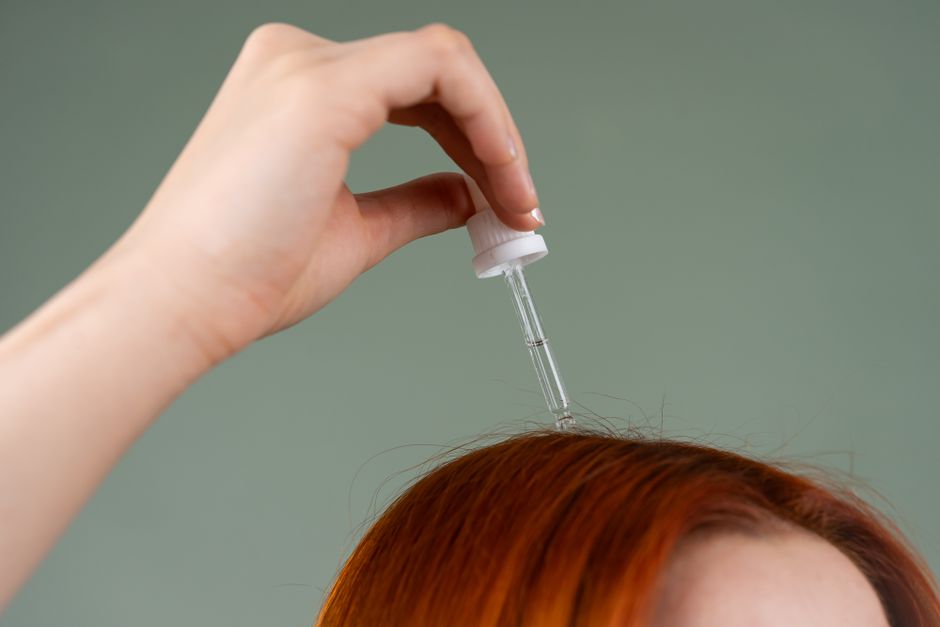
Teenage hair loss is more common than most people realize, and in the majority of cases it does not mean permanent balding. The most frequent causes in adolescent girls are telogen effluvium (heavy shedding triggered by stress, illness, or rapid weight loss), nutritional deficiencies — especially iron and vitamin D — and androgenetic alopecia, which is a genetic pattern of thinning. Treatment depends entirely on the cause: correcting an iron deficiency, managing an underlying thyroid or PCOS diagnosis, or using medications like minoxidil in selected cases. A dermatologist can usually identify the cause with a physical exam and blood tests, and most teen hair loss improves once the trigger is addressed.
How Much Hair Loss Is Normal for a Teenage Girl?
Shedding 50 to 100 hairs a day is normal for most people, including teenagers. That number comes from the natural hair growth cycle, in which individual follicles move through growing, resting, and shedding phases at different times.
What matters more than a daily count is a change from a girl’s own baseline. Hair that comes out in clumps in the shower, visible thinning at the part, or a widening part line are reasons to look closer. Pulling a few strands out when brushing is not.
A useful distinction: normal shedding is diffuse and gradual. Hair loss from a medical cause tends to be either sudden and heavy (shedding) or patterned and progressive (thinning). The pattern often points toward the cause.
What Causes Hair Loss in Teenage Girls?
Hair loss in adolescents almost always has an identifiable trigger. The list is not long, but the causes look similar on the surface, which is why a proper evaluation matters.
Telogen Effluvium
This is the most common cause of sudden, heavy shedding in teen girls. A stressor pushes a large number of hair follicles into the resting phase at once. Roughly two to three months later, those hairs fall out together.
Common triggers include a severe illness or infection, major surgery, significant emotional stress, rapid weight loss, and crash dieting. COVID-19 infection has been reported as a trigger in some patients. The shedding is temporary, and hair typically regrows once the trigger resolves — but regrowth takes months, not weeks.
Nutritional Deficiencies
Iron deficiency is one of the most well-documented contributors to hair shedding in adolescent girls, and this age group has a higher risk because of menstrual blood loss and rapid growth. Low ferritin — the stored form of iron — has been associated with telogen effluvium in multiple studies, though the exact threshold at which it causes hair loss is still debated.
Vitamin D deficiency and low zinc have also been linked to hair shedding in some research. The evidence for vitamin D is less consistent than for iron. Other nutrients sometimes implicated include B vitamins and essential fatty acids, though the data here is weaker.
Teen girls on restrictive diets, those with eating disorders, and those with heavy periods are at higher risk. So are vegetarians and vegans who are not monitoring iron intake carefully.
Androgenetic Alopecia
Also called female pattern hair loss, this is a genetic condition that can begin in the teenage years. It causes gradual thinning, usually along the part line, rather than patchy or clumpy shedding. A family history of hair loss in either parent raises the likelihood.
When it appears in teen girls alongside irregular periods, acne, or excess facial or body hair, it can be a sign of polycystic ovary syndrome (PCOS), which involves elevated androgen levels. PCOS is a clinical diagnosis and needs a doctor’s evaluation.
Thyroid Disorders
Both hypothyroidism and hyperthyroidism can cause hair shedding. Thyroid-related hair loss is usually diffuse and improves once the thyroid hormone level is corrected. A simple blood test can rule this in or out.
Hair Care and Styling Practices
Traction alopecia results from repeated tension on the hair — tight ponytails, braids, or extensions. Over time, the tension damages follicles, and if it continues, the loss can become permanent. This is entirely preventable.
Chemical treatments, frequent heat styling, and harsh brushing can cause breakage that looks like hair loss but is not. Breakage produces shorter, snapped hairs rather than full-length shed hairs.
Other Causes
- Alopecia areata — an autoimmune condition causing smooth, round bald patches
- Scalp infections — fungal infections such as tinea capitis can cause scaling and patchy loss
- Medications — some prescriptions, including certain acne treatments, can trigger shedding
- Trichotillomania — a hair-pulling disorder that often begins in adolescence
How Is the Cause Identified?
A dermatologist or pediatrician will usually start with a detailed history: when the shedding began, whether it was sudden or gradual, recent illnesses, diet changes, menstrual history, and family history of hair loss.
A physical exam includes looking at the scalp and the pattern of loss. A pull test — gently tugging a small section of hair — can help estimate how many hairs are in the shedding phase.
Blood tests commonly ordered include a complete blood count, ferritin, thyroid-stimulating hormone (TSH), and sometimes vitamin D and androgen levels. The specific tests depend on what the history and exam suggest.
In some cases, a scalp biopsy or trichoscopy (examining the scalp under magnification) is used to distinguish between conditions that look similar.





How Is Teenage Hair Loss Treated?
Treatment targets the specific cause. There is no single treatment that works for every type of hair loss, and using the wrong one wastes time.
Correcting Deficiencies
If iron deficiency is found, a doctor will recommend iron supplementation at a dose appropriate for the individual. This is not something to self-prescribe — iron overdose is dangerous, and the correct dose depends on lab results and body weight. No universal dose applies to all teen girls.
Dietary changes that increase iron intake — red meat, poultry, fortified cereals, beans, and lentils — can help, especially when paired with vitamin C to improve absorption. Vitamin D supplementation may be recommended if levels are low, but the evidence that it directly restores hair growth is limited.
Treating Underlying Conditions
Thyroid disease is treated with medication that normalizes hormone levels. PCOS management may include lifestyle changes, hormonal medications, or other treatments depending on symptoms and goals. Once the underlying condition is controlled, hair shedding often improves — but regrowth follows the hair cycle, so visible change can take several months.
Minoxidil and Other Medications
Topical minoxidil is FDA-approved for treating androgenetic alopecia in adults. Its use in teenagers is sometimes recommended by dermatologists but is considered off-label in this age group. It requires consistent, long-term use and does not work for every type of hair loss.
Other medications used in adult female pattern hair loss, such as spironolactone, are generally not recommended for adolescents without specialist oversight. The evidence in teens is limited.
No clinical guidelines currently exist for many of these treatments specifically in the adolescent population. Decisions are typically made case by case.
Hair Care Adjustments
Stopping tight hairstyles, reducing heat and chemical treatments, and handling hair gently can prevent traction-related damage and breakage. These steps will not reverse loss caused by a deficiency or a medical condition, but they remove one source of harm.
What Does Not Work
Most over-the-counter “hair growth” supplements have no clinical evidence supporting their use in teenagers. Biotin is widely marketed for hair, but in people who are not biotin-deficient, there is no evidence it improves hair growth. High-dose biotin can also interfere with certain lab tests, which is a real safety concern.
Scalp massage, onion juice, and similar home remedies have very limited or no clinical evidence. They are not harmful in most cases, but they should not replace a proper diagnosis.
How Long Does It Take for Hair to Grow Back?
Hair grows about half an inch per month on average. That number comes from basic hair biology and is well established.
After a bout of telogen effluvium, shedding typically slows within a few months of removing the trigger, and new growth becomes visible over several months after that. Full recovery can take six months to a year or longer.
This timeline is one of the hardest parts for teenagers. Hair loss that took months to develop does not reverse overnight, and patience is genuinely required. If shedding continues past six months without improvement, the diagnosis should be revisited.
When Should a Teenager See a Doctor?
Any of the following warrant a medical evaluation:
- Sudden or heavy shedding that lasts more than a few weeks
- Visible bald patches or a widening part
- Scalp itching, pain, scaling, or redness
- Irregular periods, acne, or excess body hair alongside hair loss
- A history of eating disorders, restrictive dieting, or heavy periods
- No improvement after several months
Early evaluation matters because some causes — particularly traction alopecia and scarring conditions — can become permanent if not addressed. Most others are treatable or self-resolving.
What Helps Emotionally
Hair loss in adolescence carries a real emotional weight. Teenagers are already navigating body image, and visible thinning can affect self-esteem and social confidence. That part deserves acknowledgment, not dismissal.
Practical steps help: hairstyles that reduce tension and add volume, scalp-concealing products, and honest conversations with a doctor about what to expect. Support from family and, when needed, a mental health professional can make a real difference during the waiting period.
Frequently Asked Questions
Can teenage hair loss grow back?
Yes, in most cases hair regrows once the underlying cause is identified and addressed. Telogen effluvium, nutritional deficiencies, and thyroid-related shedding are typically reversible, while genetic pattern hair loss tends to be progressive without treatment.
What vitamin deficiency causes hair loss in teenage girls?
Iron deficiency is the most well-documented nutritional cause of hair shedding in adolescent girls, and vitamin D deficiency has also been linked in some studies. The evidence for other vitamins is weaker, and testing is needed before assuming a deficiency.
Should a teenager take biotin for hair loss?
No. Biotin has not been shown to improve hair growth in people who are not biotin-deficient, and high doses can interfere with certain lab tests.
When should a teen see a dermatologist for hair loss?
A teenager should see a doctor if shedding is sudden or heavy, lasts more than a few weeks, or comes with bald patches, scalp symptoms, or signs of a hormonal condition. Early evaluation matters because a few causes of hair loss can become permanent if untreated.
