
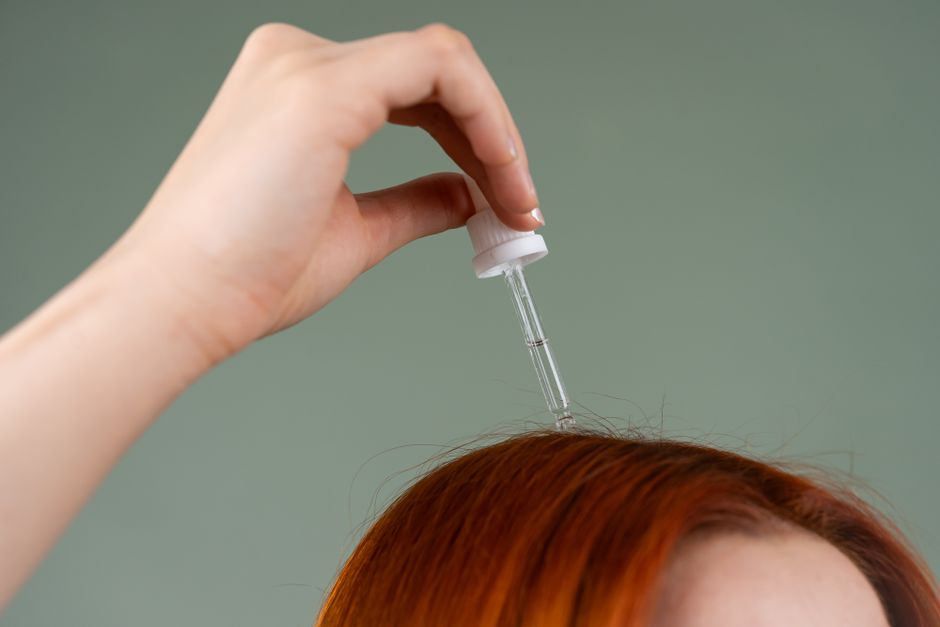
Hair loss in a teenage girl is not something to ignore, but it is often treatable. The first step is finding out why it is happening, because the cause decides the fix. Most teenage hair loss falls into a few known categories, and each one responds to different approaches.
The single most useful thing you can do is get a proper diagnosis before trying products. A doctor can usually tell whether the loss is from a medical condition, a nutritional deficiency, a styling habit, or a temporary shedding event. Treating the wrong cause wastes time and money, and some causes get worse if they are ignored.
What Causes Hair Loss in Teenage Girls?
Hair loss in teenagers almost always has an identifiable cause. The hair growth cycle has three phases: growth (anagen), transition (catagen), and rest (telogen). When something disrupts that cycle, shedding follows. Knowing which phase is affected points to the cause.
Several conditions are common in this age group:
- Telogen effluvium. A temporary increase in shedding after a trigger like illness, surgery, high fever, rapid weight loss, or severe stress. Shedding usually starts weeks to a few months after the trigger and then resolves.
- Iron deficiency. Low iron stores can push hair into the resting phase. This is common in teenage girls, especially those with heavy periods or restricted diets.
- Thyroid problems. Both an underactive and overactive thyroid can cause hair thinning. This is diagnosed with a blood test.
- Polycystic ovary syndrome (PCOS). A hormonal condition that can cause thinning at the scalp along with other signs like irregular periods and acne.
- Androgenetic alopecia. Genetic hair thinning. It can start in the teen years, though it is less common than in adults.
- Alopecia areata. An autoimmune condition that causes sudden, smooth patches of hair loss. It is not caused by stress or poor diet.
- Traction alopecia. Hair loss from constant pulling — tight ponytails, braids, or extensions. Over time the pulling can damage follicles permanently.
- Chemical and heat damage. Repeated bleaching, relaxing, and high-heat styling can break hair and damage the scalp.
A doctor may also consider ringworm of the scalp, which causes patches of broken hair and scaling. It is treatable but needs medical treatment, not shampoo alone.
How Do You Know Which Type of Hair Loss It Is?
The pattern and timing of the loss give strong clues. A doctor uses these clues along with a physical exam and sometimes blood tests to narrow down the cause.
Here is how the common types tend to differ:
- Overall thinning or heavy shedding: often points to telogen effluvium, iron deficiency, or thyroid issues.
- Thinning at the part or crown with a widening part line: can suggest androgenetic alopecia or a hormonal cause like PCOS.
- Sudden smooth round patches: suggests alopecia areata.
- Loss along the hairline or at the temples: suggests traction alopecia from tight styles.
- Broken hairs and scalp scaling: raises the question of scalp infection or damage.
Blood tests are often part of the workup. A doctor may check iron stores (ferritin), thyroid function, and hormone levels. These tests are the difference between guessing and knowing.
Can Diet and Iron Deficiency Cause Hair Loss in Teens?
Iron deficiency is one of the most common and most fixable causes of hair shedding in teenage girls. Iron is needed for normal cell division, and hair follicles are among the fastest-dividing cells in the body. When iron stores run low, the body appears to prioritize more essential functions, and hair growth can suffer.
Teenage girls are at higher risk for a few reasons. Menstruation loses iron every month. Vegetarian and vegan diets can be lower in the most absorbable form of iron. Dieting and skipped meals reduce intake. All of these can lower iron stores over time.
Ferritin is the blood test that measures stored iron. A doctor interprets the result alongside symptoms and other tests, because the level that matters for hair is debated. Some clinicians treat low-normal ferritin in people with shedding, while others wait for a clearer deficiency. The evidence that correcting iron deficiency improves hair growth is strongest when the deficiency is real. Whether topping up a borderline level helps hair is less clear.
Do not start iron supplements without testing. Too much iron is harmful, and the dose depends on the level of deficiency. A doctor sets the dose and monitors it.
Other nutrients matter too. Very low-calorie diets and eating disorders can cause hair loss, and this is a sign that needs medical attention. Severe protein restriction can also affect hair. For most teens eating a varied diet, a specific nutrient deficiency is not the default explanation — testing is what confirms it.
What About Stress and Hormones?
Stress can cause hair shedding, but the timing surprises people. The shedding from a stressful event typically appears weeks to a few months later, not the next day. So a teen who is shedding now may be reacting to something that happened months ago. The hair usually grows back once the stress passes.
Hormones are a major factor. The hormonal shifts of puberty can affect hair, and conditions like PCOS can cause scalp thinning. PCOS often comes with other signs — irregular or missed periods, acne, and excess hair on the face or body. If those signs are present along with thinning, a doctor should evaluate for it.
Birth control and other hormonal medications can affect hair in some people. If hair changes started after beginning a medication, that is worth raising with the prescriber. Do not stop a prescribed medication on your own.
What Actually Works to Stop Hair Loss in a Teenage Girl?
What works depends entirely on the cause. There is no single product that fixes all types of hair loss, and anyone selling one is overselling. The approaches with the clearest evidence are matching the treatment to the diagnosis.
Here is what the evidence supports for the main causes:
- Iron deficiency: correcting the deficiency under medical supervision. This is the clearest cause-and-effect fix when deficiency is confirmed.
- Thyroid disease: treating the thyroid condition. Hair often recovers once thyroid levels are normalized.
- Telogen effluvium: removing the trigger and waiting. Hair regrows on its own in most cases once the trigger is gone.
- Traction alopecia: stopping the tight styles. This is urgent, because early changes can reverse but long-term pulling can cause permanent follicle damage.
- Alopecia areata: medical treatment from a dermatologist. Some cases resolve on their own, but a doctor should guide care.
- Androgenetic alopecia: treatments exist, but most are studied mainly in adults. Use in teens should be guided by a dermatologist.
One clarification worth knowing: most over-the-counter “hair growth” shampoos and supplements have not been shown in good studies to regrow hair in teenagers. Biotin supplements are widely marketed, but they have not been shown to help hair growth in people who are not biotin deficient. Biotin can also interfere with some lab tests, which matters if a doctor is checking thyroid or heart markers. Tell your doctor about any supplement being taken.
What Should You Avoid?
Avoiding the wrong moves matters as much as choosing the right ones. Some habits make hair loss worse or hide the real cause.
- Do not self-treat with supplements. Iron, zinc, and vitamin A can be harmful in excess. Testing comes first.
- Do not rely on cosmetic products to fix a medical problem. They can mask the issue while the cause continues.
- Do not ignore rapid or patchy loss. Sudden patches, scalp pain, or scaling need a doctor’s look.
- Do not delay on tight hairstyles. Loosen ponytails, braids, and extensions early. Permanent damage is preventable but not reversible.
- Do not skip meals or crash diet. Restrictive eating is a known cause of hair shedding and can signal a larger health issue.
Gentle hair care helps protect what is there. Washing less often does not stop shedding — the hair that comes out in the shower was already in the resting phase. Being gentle with wet hair, limiting heat and chemical treatments, and avoiding tight styles all reduce breakage and pulling.
When Should You See a Doctor?
See a doctor if the loss is sudden, patchy, or accompanied by scalp symptoms like itching, pain, or scaling. Also see a doctor if there are signs of a hormonal problem — irregular periods, acne, or excess facial hair — or if the teen has heavy periods, restrictive eating, or rapid weight loss.
Any hair loss that is ongoing or getting worse deserves an evaluation. Hair loss can be an early sign of a treatable medical condition, and finding it early makes treatment easier. A pediatrician or dermatologist is the right starting point.
Frequently Asked Questions
Will my teenage daughter’s hair grow back?
In most cases, yes, once the underlying cause is found and addressed. Telogen effluvium and iron deficiency-related shedding usually reverse with time and treatment, but regrowth takes months because hair grows slowly.
Does washing hair less often stop hair loss?
No. Hair that sheds in the shower was already in the resting phase and would have come out anyway. Less frequent washing does not change the shedding.
Can stress cause hair loss in teenagers?
Yes, severe stress can trigger temporary shedding, but it typically appears weeks to a few months after the stressful event. The hair usually regrows once the stress passes.
Are biotin supplements good for teen hair loss?
Biotin has not been shown to help hair growth in people who are not biotin deficient. It can also interfere with some lab tests, so tell a doctor before starting it.
