
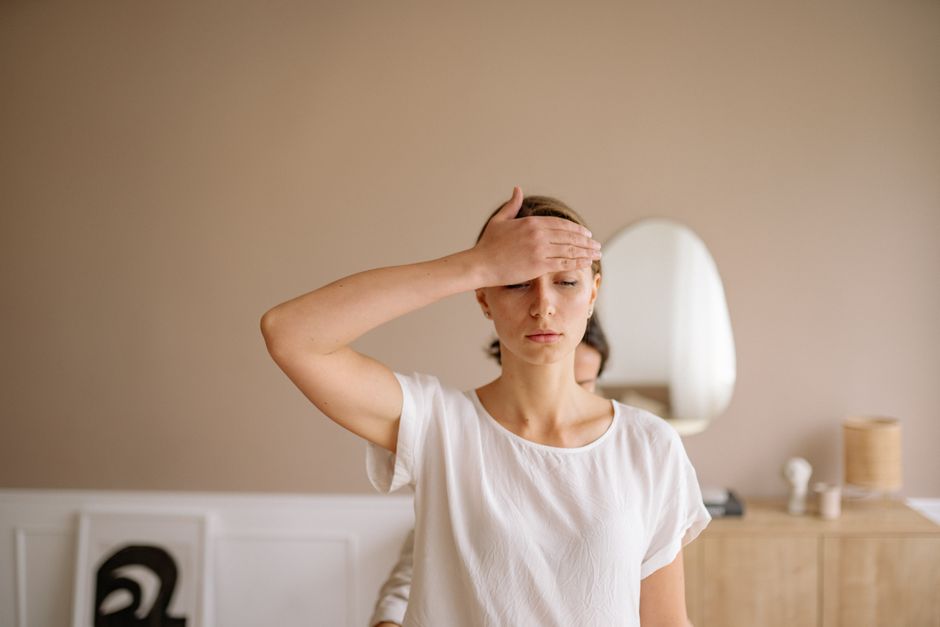
That sudden rush of dizziness when you stand up has a name: orthostatic hypotension. It happens when blood pools in your legs instead of returning to your heart and brain fast enough. The fix starts with slowing down your rise, activating your leg muscles before you move, and knowing which triggers to avoid. For most healthy adults, these steps reduce episodes. If the problem persists, it needs a medical workup — not more willpower.
What Actually Happens in Your Body When You Stand Up?
Standing triggers one of the fastest reflex adjustments your body makes. Gravity pulls roughly a quarter of your blood volume downward into your legs and abdomen the moment you rise. Specialized pressure sensors in your neck and chest detect the drop and signal your nervous system to tighten blood vessels and speed up your heart slightly. That keeps blood pressure stable enough to keep your brain supplied.
When that reflex is slow, blunted, or interrupted, blood pressure dips after standing. The result is lightheadedness, blurry vision, or that brief feeling the room is tilting. The medical term is orthostatic hypotension. It is generally defined as a drop of at least 20 mmHg in systolic pressure or 10 mmHg in diastolic pressure within three minutes of standing.
This is not the same as vertigo. Vertigo is a spinning sensation tied to the inner ear. Orthostatic dizziness is a blood pressure event. The distinction matters because the causes and solutions are completely different.
How To Stop Getting Dizzy When I Stand Up: The Step-by-Step Routine
The sequence below works because each step gives your circulatory system time to catch up with your change in position. Practice it consistently until it becomes automatic.
- Step 1: Sit up first. Before standing, sit at the edge of the bed or chair for 20 to 30 seconds. This alone prevents many episodes.
- Step 2: Pump your ankles. Flex and point your feet several times while seated. This squeezes blood out of your lower legs and back toward your heart.
- Step 3: Tense your legs and core. Cross one leg over the other and squeeze, or press your knees together and tighten your thighs and belly. Hold for a few seconds.
- Step 4: Stand slowly. Rise using your leg muscles, not your arms pulling on furniture. Keep your head level rather than bending forward.
- Step 5: Pause before walking. Stand still for a few seconds and let the feeling pass before you take your first step.
- Step 6: Repeat if needed. If dizziness starts, sit back down and repeat the sequence. Do not push through it.
The leg and core tension in Step 3 is the most useful part. Contracting large muscles in your lower body physically pushes blood upward. This is sometimes called counter-maneuvering, and it is one of the few techniques with real evidence behind it for managing orthostatic symptoms.
Why Does It Happen More in the Morning or After Eating?
Time of day and recent meals both change how your body handles standing. Morning is a common time for episodes because blood pressure tends to be lower after a night of lying flat. Getting out of bed quickly stacks that low baseline on top of the postural drop.
Large meals are another trigger. After you eat, blood flow shifts to your digestive tract. In some people this causes a measurable dip in blood pressure, a pattern called postprandial hypotension. Standing soon after a heavy meal can compound the effect. Eating smaller meals and resting briefly afterward tends to help.
Heat is a third factor. Hot showers, hot rooms, and dehydration all widen blood vessels and reduce blood volume. That makes the standing reflex harder to complete. Many people notice more episodes in summer for exactly this reason.


What Else Can Cause Dizziness on Standing?
Dehydration is one of the most common and most reversible causes. When you have not had enough fluid, your blood volume is lower, so there is less to push upward when you stand. Fever, vomiting, diarrhea, heavy sweating, and some medications that increase urination can all contribute.
Medications are a frequent culprit. Several classes of drugs lower blood pressure or interfere with the standing reflex. These include some blood pressure medications, certain antidepressants, drugs used for prostate problems, and some heart medications. Never stop or change a prescription on your own. If you suspect a medication is involved, raise it with your prescriber.
Other causes include:
- Anemia, which reduces your blood’s oxygen-carrying capacity
- Nervous system conditions that affect blood pressure regulation, such as Parkinson’s disease and some forms of autonomic neuropathy
- Diabetes, which can damage the nerves that control blood vessel tone
- Prolonged bed rest or deconditioning, which weakens the reflex over time
- Alcohol, which widens blood vessels and increases urination
- Adrenal insufficiency, where the body does not produce enough of the hormones that help maintain blood pressure
Age matters too. The reflex tends to become less efficient over time, which is why orthostatic dizziness is more common in older adults. But it can affect anyone, including young and otherwise healthy people, especially after illness or dehydration.
When Should Dizziness on Standing Worry You?
Occasional lightheadedness that passes in seconds is usually not dangerous on its own. The real risk is falling. Orthostatic hypotension is a recognized contributor to falls, particularly in older adults, and falls can cause fractures and head injuries.
Seek medical evaluation if any of the following apply:
- You faint or lose consciousness
- Episodes are happening often or getting worse
- You have chest pain, palpitations, or shortness of breath with the dizziness
- You have a known heart condition, diabetes, or a nervous system disorder
- You are taking medications that affect blood pressure
- You have blood in your stool or signs of internal bleeding
These signs point to causes that need proper diagnosis. Some are serious. A clinician can check blood pressure lying down and standing, review your medications, and order blood work if needed.
Daily Habits That Reduce Episodes
Beyond the standing routine itself, a few consistent habits make a measurable difference. Staying well hydrated is the foundation. Your blood volume depends on fluid intake, and even mild dehydration makes the standing reflex harder.
Other habits worth building:
- Rise in stages — from lying to sitting to standing, with a pause at each stage
- Avoid very hot showers and hot tubs, which widen blood vessels
- Limit alcohol, especially in the evening
- Eat smaller, more frequent meals rather than one large one
- Wear compression stockings if a clinician recommends them
- Move your legs before standing if you have been sitting a long time
- Avoid standing still for long periods; shift weight or march in place
Compression stockings are commonly recommended, though the evidence for how well they work varies by cause and by how consistently they are worn. Talk with a clinician before buying them, since fit and pressure level matter.
Some clinicians advise increasing salt and fluid intake for certain patients with orthostatic hypotension. This should only be done under medical guidance. Extra salt can be harmful for people with heart or kidney conditions.
Does Exercise Help Long-Term?
Regular physical activity improves how efficiently your circulatory system responds to position changes. This is well established for general cardiovascular health. The benefit for orthostatic symptoms specifically depends on the underlying cause.
For people whose dizziness stems from deconditioning after illness or prolonged bed rest, gradual reconditioning is often part of the plan. For those with a nervous system disorder, exercise helps overall fitness but may not correct the reflex itself. A clinician or physical therapist can tailor an approach to the cause.
One non-obvious point: exercises done lying down or seated, such as leg raises and ankle pumps, can build tolerance without triggering symptoms. Starting upright too soon often backfires.
What About Sudden Dizziness in Healthy Young People?
Healthy young adults can get dizzy on standing too. Common triggers include skipping meals, dehydration after exercise, standing still for a long time, and heat. A related pattern called postural tachycardia syndrome, or POTS, causes a rapid heart rate increase on standing along with dizziness, and it is diagnosed more often in younger people.
POTS is a distinct condition, not simple orthostatic hypotension, and it requires proper evaluation. If dizziness on standing is frequent and disruptive in a younger person, that warrants a medical visit rather than home remedies alone.
Frequently Asked Questions
How do I stop getting dizzy when I stand up?
Sit up first, pump your ankles, tense your legs and core, then stand slowly and pause before walking. These steps give your blood pressure time to adjust before you move.
Is dizziness when standing up dangerous?
Occasional brief lightheadedness is usually not dangerous by itself, but the main risk is falling. Frequent episodes, fainting, or dizziness with chest pain needs medical evaluation.
What deficiency causes dizziness when standing?
Anemia from iron deficiency is a common cause because it reduces your blood’s oxygen-carrying capacity. Dehydration and low blood volume can also cause it, so blood work may be needed to identify the cause.
When should I see a doctor for dizziness on standing?
See a doctor if you faint, if episodes are frequent or worsening, or if you have chest pain, palpitations, or shortness of breath. Also seek care if you take blood pressure medications or have diabetes or a heart condition.
