
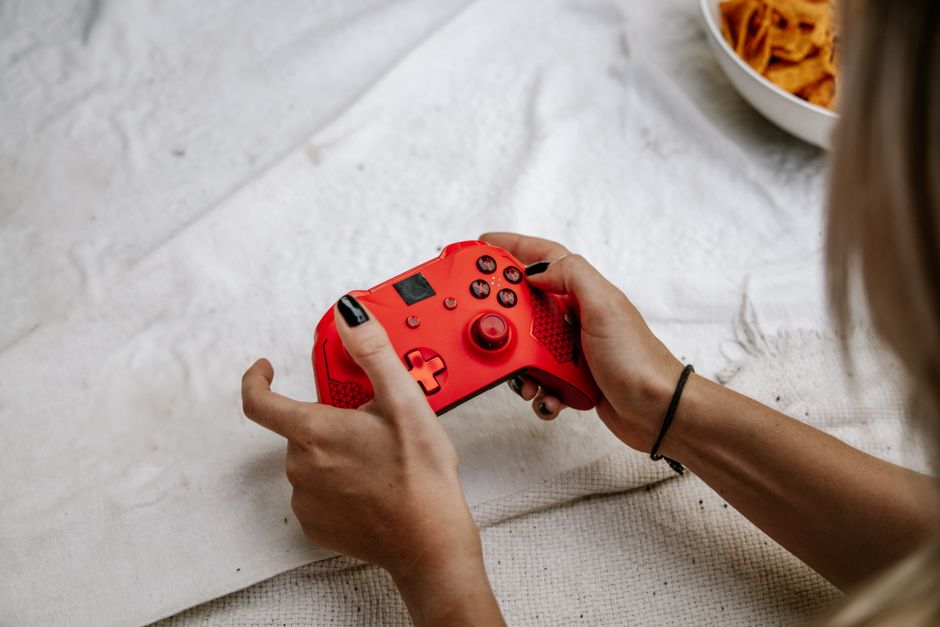
Gaming addiction is a real struggle for many adults, not just teenagers. If you feel like video games control your time more than you do, you can take steps to break the cycle. The most effective approach combines setting strict time limits, removing physical barriers to play, and replacing gaming with other activities that provide genuine satisfaction. This is not about quitting cold turkey overnight for most people; it is about building a structured plan that addresses why you play so much in the first place.
What Is Gaming Addiction And How Do You Know If You Have It?
Gaming addiction is not simply playing a lot. It is a pattern of behavior where gaming interferes with your daily life, relationships, or health, and you continue playing despite those negative consequences. The World Health Organization includes “gaming disorder” in its International Classification of Diseases, defining it as impaired control over gaming, increasing priority given to gaming, and continuation of gaming despite negative outcomes.
Signs that gaming has crossed the line from hobby to problem include losing track of time regularly, neglecting hygiene or meals, skipping work or school obligations, feeling irritable when you cannot play, and lying about how much time you spend gaming. If you have tried to cut back before and failed, that is a strong signal that your current approach needs to change. You do not need to hit rock bottom to take action.
How To Stop Gaming Addiction And Quit For Good: The Core Strategy
The most reliable way to stop is to make gaming physically harder to start. If your console is plugged in and your headset is on the desk, you will play. If the console is packed in a box in a closet, you will find something else to do. This simple barrier works because it interrupts the automatic habit loop that triggers a gaming session.
Time limits alone rarely work for people with compulsive gaming patterns. You will negotiate with yourself, extend the timer, or rationalize one more match. Removing access entirely for a defined period—such as 30 or 90 days—gives your brain time to reset its reward expectations. During that break, you are not “quitting forever.” You are proving to yourself that you can survive without gaming, which builds confidence for the long term.
After the break, you decide whether to return to gaming with strict rules or leave it behind entirely. Many people find that returning to gaming re-triggers the same compulsive patterns. If that happens, the honest answer is that abstinence works better for you than moderation. There is no shame in that conclusion.
Why Willpower Alone Fails For Gaming Addiction
Video games are designed to keep you playing. Game developers use variable reward schedules—the same psychological mechanism behind slot machines—to make you chase the next win or rare item. Every time you level up or get a loot drop, your brain releases dopamine. Over time, your brain associates gaming with pleasure and down-regulates its response to everyday rewards like a good meal or a conversation with a friend.
This is why telling yourself “I will just play for one hour” is a losing strategy. Your brain has been trained to expect intermittent rewards, and it will push you to continue. The prefrontal cortex, which handles impulse control, is simply outmatched by the reward system when the game is one click away. Removing the game removes the battle entirely.
Sleep deprivation also undermines willpower. Gaming late into the night reduces sleep quality, and sleep-deprived brains make worse decisions about impulse control. Fixing your sleep schedule is not a side note; it is part of the recovery process.





What To Do With The Time You Were Spending Gaming
Quitting gaming leaves a hole in your day. If you do not fill it with something, you will feel restless and likely relapse. The replacement activity does not need to be productive in a capitalist sense. It needs to be engaging enough to hold your attention and provide a sense of accomplishment.
Physical exercise is one of the most effective replacements. Exercise also triggers dopamine release, which helps your brain adjust to lower-stimulation activities. You do not need a gym membership. Walking, cycling, or bodyweight exercises at home work fine. The goal is to get your heart rate up for 20-30 minutes most days.
Other options include learning a practical skill like cooking, repairing things around the house, or taking an online course in a subject you care about. Social connection matters too. If gaming was your main social outlet, you need to rebuild in-person connections. This is often the hardest part because it requires vulnerability and effort. Start small—one coffee with a friend, one phone call to a relative.
Boredom is not your enemy. Boredom is the signal that your brain is recalibrating. Sit with it. It passes.
Practical Steps To Remove Gaming From Your Life
Start by physically removing gaming devices from your living space. If you play on a PC, consider moving the PC to a shared room or removing the graphics card and storing it separately. If you play on a phone, delete the games and turn off notifications from gaming apps.
Change your environment so gaming is not the default option. Rearrange your desk. Put a book or a puzzle where your keyboard used to be. These small environmental changes matter because they disrupt the automatic association between “sitting at desk” and “playing games.”
Tell people you are quitting. Accountability is a real factor. When friends know you are taking a break, they are less likely to invite you to multiplayer sessions. You also create social pressure to follow through, which helps on days when your motivation drops.
Use website blockers and parental controls on your own devices. This sounds silly, but it works. Tools like router-level blocking or app limits create an external barrier that your future self will thank you for. You are not trusting your willpower; you are designing your environment for success.
When To Seek Professional Help
If you have tried to quit multiple times and cannot, or if gaming is causing serious harm to your job, relationships, or health, professional help is appropriate. This is not a personal failure. Compulsive gaming responds to structured treatment just like other behavioral addictions.
Cognitive behavioral therapy (CBT) has the strongest evidence base for gaming disorder. CBT helps you identify the thoughts and feelings that trigger gaming urges and develop alternative coping strategies. Some clinicians also use motivational interviewing to strengthen your commitment to change.
There are no medications specifically approved for gaming disorder. Some clinicians prescribe antidepressants or stimulants for underlying conditions like depression or ADHD that may drive excessive gaming, but this is off-label use based on individual assessment. If you are considering medication, discuss it with a psychiatrist who has experience with behavioral addictions.
Support groups exist, including some modeled on 12-step programs. Online forums and local meetups can provide community during the difficult early weeks. The evidence for support groups is less rigorous than for CBT, but many people find them helpful for maintaining motivation.
What To Expect In The First Month After Quitting
The first week is the hardest. You will likely experience cravings, irritability, and difficulty concentrating. This is normal. Your brain is adjusting to lower dopamine levels. Some people report feeling physically restless or having trouble sleeping during this period.
By week two or three, most people report that the cravings become less frequent and less intense. You may still think about gaming, but the urge to act on it weakens. This is when many people make the mistake of thinking they can “just play a little.” If you have a history of compulsive gaming, this thought is a warning sign, not a green light.
By the end of the first month, you should have a clearer sense of what your life looks like without gaming. Some people discover they prefer it. Others feel a persistent sense of loss. Both responses are valid. The question is whether gaming adds more to your life than it takes away, and only you can answer that honestly.
Frequently Asked Questions
How long does it take to break a gaming addiction?
Most people see significant reduction in cravings within two to four weeks of stopping. Full recovery of normal reward sensitivity can take several months, and some people continue to experience occasional urges for a year or more.
Can I just reduce my gaming time instead of quitting completely?
Some people can moderate successfully, but those with compulsive patterns often find that any gaming leads back to excessive play. If you have tried moderation and failed, abstinence is the more reliable path.
Is gaming addiction a real medical condition?
Yes, the World Health Organization recognizes gaming disorder as a diagnosable condition. It is characterized by impaired control over gaming, increasing priority given to gaming, and continued gaming despite negative consequences.
What is the most effective treatment for gaming addiction?
Cognitive behavioral therapy has the strongest evidence for treating gaming disorder. Practical environmental changes, like removing gaming devices from your home, are also essential components of a successful recovery plan.
