
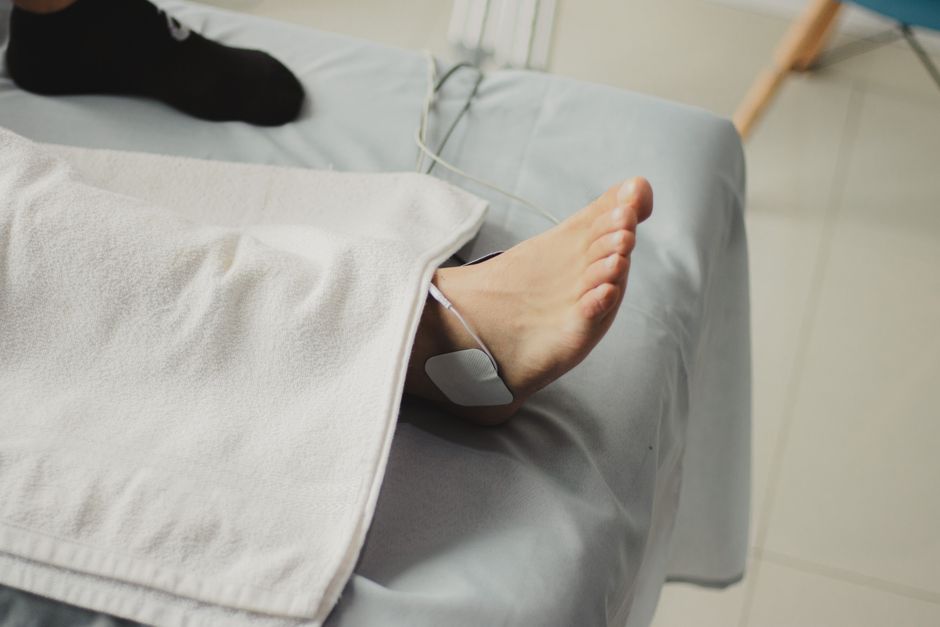
Most foot cramps stop within seconds if you respond correctly. The quickest way to end a cramp is to gently stretch the cramped muscle, massage the area, and apply heat if the muscle feels tight or ice if it feels tender. Drinking water and moving your foot gently also help. If cramps happen often, simple daily habits like staying hydrated and doing regular calf stretches may reduce how often they occur.
What Causes Foot Cramps?
Muscle cramps happen when a muscle contracts and will not relax. In the foot, this often occurs in the arch or the toes. The exact cause is not always clear, but several factors are known to trigger them.
Muscle fatigue is a common cause. Standing or walking for long hours, wearing unsupportive shoes, or starting a new exercise routine can tire the foot muscles and make them more likely to cramp. Dehydration is another frequent trigger. When your body loses fluids, the balance of minerals that help muscles work — such as sodium, potassium, calcium, and magnesium — can shift. That imbalance may cause a muscle to cramp.
Some medications can also contribute. Diuretics (water pills), statins used for cholesterol, and certain blood pressure drugs are known to increase cramp risk in some people. Medical conditions such as peripheral artery disease, diabetes, thyroid disorders, and nerve compression (like a pinched nerve in the lower back) can also cause foot cramps. In many cases, however, no specific cause is found.
How To Stop Foot Cramps? Expert Tips
When a cramp hits, act quickly. The goal is to reverse the contraction and shorten the cramp time.
Stretch the muscle. If the cramp is in the arch of your foot, gently pull your toes back toward your shin. If the cramp is in your toes, try curling them slightly in the opposite direction of the cramp. Hold the stretch gently — do not force it. The muscle should start to relax within 10 to 30 seconds.
Massage the area. Use your fingers to press and rub the cramped muscle in small circles. This can help signal the muscle to release. If the muscle feels hard, continue massaging while stretching.
Apply heat or ice. Heat helps relax a tight muscle. A warm towel, heating pad, or warm foot soak can work. Ice helps if the muscle is sore after the cramp ends. Use ice for 10 to 15 minutes wrapped in a cloth.
Walk it off. Standing up and putting weight on the foot can sometimes stop a cramp by sending a different signal to the muscle. Take a few slow steps. If walking makes the pain worse, sit back down and stretch instead.
Over-the-counter pain relief like ibuprofen or acetaminophen can help with lingering soreness after a cramp, but they will not stop a cramp once it has started.
How To Prevent Foot Cramps
Prevention focuses on the factors you can control. No single method works for everyone, but several approaches are backed by clinical experience and research.
Stay hydrated. Drink enough water throughout the day, especially during exercise or in hot weather. A general rule is to drink when you are thirsty and more when you sweat. Urine color that is light yellow usually signals adequate hydration. Dark yellow urine may mean you need more fluids.
Stretch regularly. Calf and foot stretches done daily may reduce cramp frequency. One effective stretch: stand facing a wall, place your hands on the wall, step one foot back, and press the heel into the floor. Hold for 20 to 30 seconds. Repeat on each side two to three times. Also try towel stretches — sit with legs straight, loop a towel around your foot, and gently pull your toes toward you.
Wear supportive shoes. Shoes that fit well and provide arch support can reduce muscle fatigue. Avoid flat, worn-out shoes or high heels for long periods. If you stand a lot at work, consider cushioned insoles.
Check your electrolyte balance. If you exercise heavily or sweat a lot, you may lose more sodium and potassium. Eating a banana, drinking coconut water, or having a salty snack after intense activity may help. For most people, a balanced diet provides enough electrolytes. Supplements are not routinely recommended unless a blood test shows a deficiency.
Consider magnesium. Some studies suggest that magnesium supplements may reduce the frequency of nighttime leg cramps, especially in older adults. But the evidence is mixed, and magnesium can cause digestive upset. Talk to your doctor before starting any supplement, especially if you have kidney problems or take other medications.





When Should You See a Doctor About Foot Cramps?
Occasional foot cramps are normal and usually not a cause for concern. But certain signs warrant a medical evaluation.
See a doctor if cramps happen several times a night, interfere with sleep, or last longer than several minutes despite stretching. Also seek medical advice if you notice swelling, redness, warmth, or tenderness in the foot or calf — these could signal a blood clot (deep vein thrombosis) or infection. Muscle weakness or numbness in the foot may point to a nerve problem. If cramps started after you began a new medication, tell your doctor. They may adjust the dose or try a different drug.
People with diabetes, thyroid disease, or circulation problems should mention frequent cramps to their healthcare provider, as underlying management may help.
Frequently Asked Questions
Why do I get foot cramps at night?
Nighttime foot cramps are common and not fully understood. Risk factors include dehydration, muscle fatigue from the day, and sleeping with your toes pointed down, which shortens the calf muscle and may trigger cramping.
Can dehydration cause foot cramps?
Yes. Dehydration reduces blood volume and alters the balance of electrolytes, both of which can make muscles more prone to cramping. Drinking enough water throughout the day is one of the simplest ways to reduce cramp frequency.
Are foot cramps a sign of something serious?
Most foot cramps are harmless, but they can occasionally signal an underlying condition. If cramps are frequent, severe, or accompanied by swelling, redness, or weakness, see a doctor to rule out circulatory or nerve issues.
What is the best supplement for foot cramps?
There is no proven best supplement. Magnesium and potassium are often suggested, but clinical evidence for preventing foot cramps is limited and inconsistent. A blood test can check for deficiencies before you start any supplement.
