
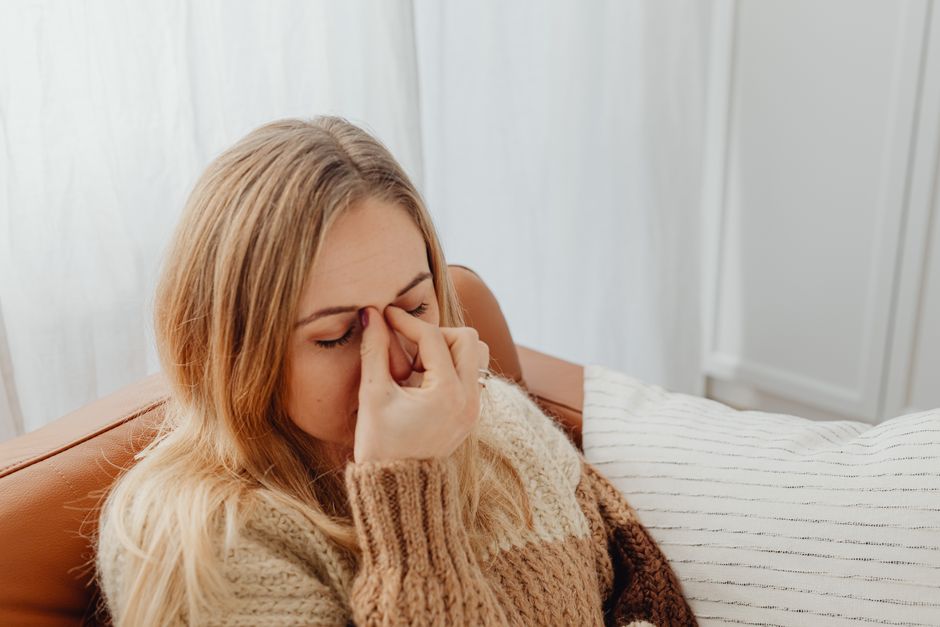
Anxiety can absolutely make you feel physically sick. That is not weakness and it is not “all in your head.” When your brain senses threat, it triggers a real, measurable physical response that can cause nausea, stomach pain, dizziness, sweating, and the urge to vomit. The way to stop feeling sick from anxiety for good is to address both the physical symptoms and the anxiety driving them — usually through a combination of calming techniques that work in the moment, professional treatment like therapy or medication, and steady daily habits that lower your baseline stress response over time.
Why Does Anxiety Make You Feel Physically Sick?
Your body has a built-in alarm system. When your brain perceives danger — real or imagined — it releases stress hormones like adrenaline and cortisol. This is the fight-or-flight response, and it has been documented in medical literature for over a century.
Here is what happens in your gut specifically. Blood flow gets redirected away from your digestive system and toward your muscles and heart. Your stomach slows or stops its normal digestive contractions. Your intestines may speed up or become irregular. This redirection is why nausea, cramping, diarrhea, or that heavy feeling in your stomach shows up alongside anxiety.
The gut and brain are connected by what researchers call the gut-brain axis — a two-way communication network involving the vagus nerve, hormones, and trillions of bacteria in your digestive tract. This connection is well established in physiology. Anxiety directly changes how your gut functions, and gut discomfort can, in turn, feed more anxiety. It becomes a loop.
One clarification worth making: feeling sick from anxiety is not the same as having a gastrointestinal disease. But the symptoms are real and can be just as disruptive. Some people with chronic anxiety develop conditions like irritable bowel syndrome, where stress is a known trigger for flare-ups.
What Physical Symptoms Can Anxiety Actually Cause?
Anxiety can produce a wide range of physical symptoms. The most common ones that feel like “sickness” include:
- Nausea or a queasy stomach
- Stomach pain or cramping
- Loss of appetite or feeling full quickly
- Diarrhea or constipation
- Dizziness or lightheadedness
- Racing heart or chest tightness
- Sweating, chills, or hot flashes
- Dry mouth or a lump in the throat
- Headaches or muscle tension
- Fatigue or feeling wiped out
These symptoms can mimic other conditions. That matters. If you are experiencing persistent nausea, vomiting, weight loss, or blood in your stool, those are not typical anxiety symptoms and need medical evaluation. Anxiety is common, but it should not be assumed to be the cause of every physical symptom without a doctor’s assessment.
How Do You Stop the Nausea in the Moment?
When anxiety-driven nausea hits, your goal is to interrupt the stress response. These techniques work for many people, though not everyone responds the same way.
Slow your breathing. Anxiety makes breathing fast and shallow, which worsens dizziness and nausea. Try breathing in through your nose for a count of four, holding for four, and exhaling slowly through your mouth for a count of six. The long exhale activates the parasympathetic nervous system — the branch that calms you down. This is a well-documented physiological effect.
Ground yourself. Anxiety pulls your attention into a spiral of thoughts. Grounding techniques bring it back to the present. One common method is the 5-4-3-2-1 technique: name five things you can see, four you can touch, three you can hear, two you can smell, and one you can taste. This is not a cure, but it can reduce the intensity of the moment.
Cool your body. Splash cold water on your face or hold something cold against your wrists or neck. Cold exposure can trigger the dive reflex, which slows heart rate. Some people find this helps settle nausea quickly.
Eat something bland if you can. An empty stomach can make nausea worse because stomach acid has nothing to work on. Plain crackers, toast, or a banana are gentle options. Avoid greasy, spicy, or heavy foods when you already feel sick.
Move gently. Lying still can sometimes make nausea worse. Slow walking or changing position may help. Avoid sudden movements that can trigger dizziness.
These strategies are tools, not solutions. They help you get through a rough moment. They do not address the underlying anxiety that keeps producing the response.





What Treatments Actually Help Anxiety Long-Term?
Getting rid of anxiety-related sickness for good means treating the anxiety itself. The two most researched approaches are therapy and medication. Both have strong evidence behind them for anxiety disorders.
Cognitive behavioral therapy (CBT) is the most studied form of talk therapy for anxiety. It teaches you to identify thought patterns that fuel anxiety and replace them with more balanced ones. Research consistently shows CBT reduces anxiety symptoms, and the benefits often last after treatment ends.
Selective serotonin reuptake inhibitors (SSRIs) and serotonin-norepinephrine reuptake inhibitors (SNRIs) are commonly prescribed for anxiety disorders. They take several weeks to work and are not a quick fix. Benzodiazepines like lorazepam or alprazolam can provide rapid relief but carry a risk of dependence and are generally intended for short-term use. Any decision about medication should be made with a prescribing clinician who knows your history.
Some people benefit from a combination of therapy and medication. Others do well with one or the other. There is no single right answer, and finding what works can take time.
If anxiety is severe enough that it interferes with work, relationships, or daily functioning, that is a sign to seek professional help. You do not need to wait until things feel unbearable.
Do Lifestyle Changes Make a Difference?
Daily habits affect how reactive your stress system is. They are not a replacement for treatment when anxiety is significant, but they can reduce how often and how intensely your body responds.
Sleep. Poor sleep and anxiety feed each other. Most adults need seven to nine hours. Keeping a consistent sleep schedule helps regulate the stress response.
Movement. Regular physical activity is associated with lower anxiety levels in many studies. It does not need to be intense. Walking, swimming, or any activity you will actually do consistently is enough.
Caffeine and alcohol. Both can worsen anxiety and stomach symptoms. Caffeine stimulates the nervous system and can trigger nausea and racing heart. Alcohol disrupts sleep and can increase anxiety the next day. Cutting back often makes a noticeable difference.
Blood sugar. Skipping meals or eating mostly refined sugar can cause blood sugar swings that feel like anxiety symptoms — shakiness, dizziness, irritability. Eating regular meals with protein and fiber helps keep things steady.
Gut health. Some research suggests a connection between gut bacteria and anxiety, but the evidence is still developing. No specific probiotic or diet has been proven to treat anxiety disorders. A balanced diet supports overall health, but it is not a stand-alone treatment for anxiety.
When Should You See a Doctor?
You should see a doctor if your symptoms are persistent, getting worse, or interfering with your life. You should also see a doctor if you have nausea or vomiting that does not improve, unexplained weight loss, blood in your stool or vomit, severe abdominal pain, or symptoms that wake you from sleep.
These could be signs of a condition unrelated to anxiety. Getting checked is not overreacting. It is how you rule out other causes and get the right help.
If you have anxiety symptoms and have not been evaluated, a primary care doctor is a reasonable starting point. They can assess your symptoms, order tests if needed, and refer you to a mental health professional.
If you are having thoughts of harming yourself, contact the 988 Suicide and Crisis Lifeline by calling or texting 988. This is available 24 hours a day in the United States.
Frequently Asked Questions
Can anxiety really make you throw up?
Yes. Anxiety activates the fight-or-flight response, which redirects blood away from the digestive system and can trigger nausea severe enough to cause vomiting. This is a real physiological response, not imagination.
How do I stop feeling sick from anxiety quickly?
Slow, deep breathing with a long exhale, cooling your body with cold water, and grounding techniques can reduce nausea in the moment. These help you get through the episode but do not treat the underlying anxiety.
Is anxiety-related nausea a sign of a serious medical problem?
Not usually, but persistent nausea, vomiting, weight loss, or blood in your stool should be evaluated by a doctor. Anxiety is common, but it should not be assumed to be the cause without ruling out other conditions.
Can anxiety nausea go away for good?
With appropriate treatment — such as cognitive behavioral therapy, medication, or both — many people experience significant and lasting reduction in anxiety symptoms, including physical ones. Recovery is possible, though it often takes time and may involve trying different approaches.
