
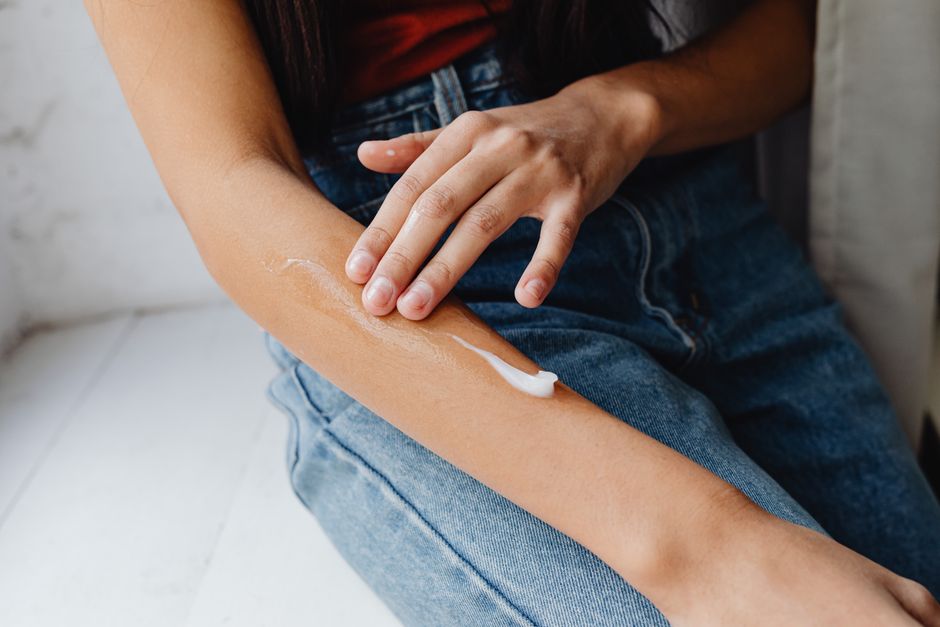
Eczema itch is not a skin problem that happens to be itchy. It is a nerve and immune problem that shows up on the skin. That difference matters, because it explains why scratching feels good for two seconds and then makes everything worse, and why a cream that only moisturizes often is not enough to stop the itch.
The fastest relief comes from cooling the skin, restoring the barrier with a plain emollient, and using an anti-inflammatory treatment early rather than waiting for a flare to peak. For lasting control, the itch has to be treated as a chronic condition with a daily routine, not as an emergency to react to.
Why Does Eczema Itch So Much?
The itch of atopic dermatitis is driven by the immune system and the nervous system working together, not by dryness alone. In eczema, the skin barrier is defective. It loses water and lets irritants and allergens through. That triggers immune cells in the skin to release inflammatory signals, including a molecule called IL-31, which acts directly on sensory nerves and produces the sensation of itch.
Those nerves also become sensitized. Over time, they fire more easily and more intensely in response to smaller triggers. This is why long-standing eczema often itches even when the skin looks calm. The threshold for “this feels itchy” has been lowered.
Scratching then damages the barrier further, releases more inflammatory signals, and feeds the cycle. This is called the itch-scratch cycle, and it is the single most important thing to understand about eczema. Breaking it is the goal of every effective treatment.
One point that surprises many people: eczema itch is often worse at night. Body temperature rises, bedding holds heat, and the skin loses more water overnight. Cortisol, which helps suppress inflammation, is also at its lowest in the early morning hours. None of this is a matter of willpower.
How Do You Stop Eczema Itching Fast?
Fast relief is about interrupting the cycle in the moment. The most reliable steps are cooling, moisturizing, and calming the immune response with a topical anti-inflammatory.
Cool the skin. A cool compress or a cool (not cold) shower reduces nerve firing and temporarily quiets the itch. Keep it brief. Hot water feels good in the moment and reliably makes the itch worse afterward.
Apply a fragrance-free emollient immediately after washing. Within a few minutes, while the skin is still damp, is when it traps the most water. Thick ointments and creams generally hold moisture better than lotions, which are mostly water and evaporate quickly.
Use a topical corticosteroid early. This is the part people skip. Topical steroids reduce the inflammation that is generating the itch. Used at the first sign of a flare rather than after a week of scratching, they work better and require less total treatment. Fear of steroids is common and often out of proportion to the actual risk when they are used correctly under medical guidance.
Do not scratch, but do not just sit there either. Pressing, tapping, or pinching the skin can satisfy some of the urge without tearing it. Keeping fingernails short reduces damage during sleep, when most scratching happens without awareness.
Over-the-counter oral antihistamines are a common choice and a common disappointment. The classic antihistamines target histamine, and histamine is only a small part of eczema itch. Sedating antihistamines may help people sleep through the night, but that is a sleep effect, not a direct anti-itch effect. Non-sedating antihistamines generally do not control eczema itch well. This is worth knowing before spending money on them.
What Actually Treats Eczema Long Term?
Lasting control means reducing how often flares happen and how severe they are. That requires daily barrier care plus a plan for inflammation, and sometimes prescription therapy for moderate to severe disease.
The foundation is consistent moisturizing. This is not a minor step. Regular use of emollients reduces flare frequency and lowers the amount of anti-inflammatory medication needed. The key word is consistent. Once or twice a day, every day, including when the skin looks fine.
For inflammation, treatment options have expanded considerably. Topical corticosteroids remain the mainstay for flares. Topical calcineurin inhibitors are a non-steroid option, often used on sensitive areas like the face and eyelids. Newer non-steroid topicals, including PDE4 inhibitors and a JAK inhibitor, have been approved for atopic dermatitis in recent years.
For moderate to severe eczema that does not respond to topical treatment, injectable biologics that block specific immune signals have changed outcomes for many patients. Oral JAK inhibitors are another option. These are prescription treatments with real risks and require medical monitoring. They are not first-line, and they are not for mild eczema.
Phototherapy, using controlled ultraviolet light under medical supervision, is another established option for widespread disease.
What ties all of these together: they reduce inflammation, and reduced inflammation means less itch. There is no cream or supplement that removes the underlying tendency toward eczema. The goal is control, and control is achievable for most people.





Which Triggers Make Eczema Itch Worse?
Triggers do not cause eczema, but they reliably make it flare. Identifying your own is one of the highest-value things you can do.
- Dry air. Winter heating and low humidity pull water from the skin.
- Harsh soaps and detergents. Fragrances, dyes, and strong surfactants strip the barrier.
- Heat and sweat. Both increase itch. Shower after exercise rather than letting sweat sit.
- Rough fabrics. Wool and some synthetics irritate. Soft cotton and breathable layers tend to be gentler.
- Stress. Stress does not cause eczema, but it worsens itch and flares in many people.
- Scratching itself. The most reliable trigger of all.
Food allergies deserve a careful word. Food allergy is more common in people with eczema, especially children with severe early-onset disease. But food is rarely the main driver of eczema in most people, and eliminating foods without confirmed allergy can cause nutritional harm, particularly in children. Testing and elimination should be guided by a clinician, not done on suspicion alone.
Environmental allergens such as dust mites and pet dander can be relevant for some people. The evidence here is mixed, and responses vary. It is reasonable to reduce exposure if you notice a clear pattern, but it is not a universal fix.
Does Scratching Make Eczema Worse?
Yes, and the damage is not only mechanical. Scratching breaks the skin barrier, which lets in more irritants and bacteria, and it triggers the release of more inflammatory signals from the skin. It also reinforces the nerve pathways that produce itch, making the next itch easier to trigger.
This is why “just stop scratching” is unhelpful advice on its own. The urge is a symptom, not a habit. The way to reduce scratching is to reduce the itch, which means treating the inflammation and the barrier.
Broken skin also raises the risk of infection, most commonly with Staphylococcus aureus. Signs to watch for include spreading redness, warmth, oozing, crusting, or pain that is getting worse rather than better. Infected eczema needs medical treatment and will not respond to standard moisturizing or steroids alone.
A practical note that helps more than people expect: keep the bedroom cool, use cotton bedding, and moisturize right before bed. Nighttime scratching does the most damage because it happens without awareness.
Can Eczema Itching Stop for Good?
For many people, eczema can be controlled so well that itching becomes rare and mild. Complete permanent disappearance is not something that can be promised. Eczema is a chronic condition with a genetic and immune basis, and it tends to come and go.
The natural history offers some encouragement. A large share of children with atopic dermatitis improve substantially or outgrow it by adolescence. Others continue to have dry, sensitive skin or intermittent flares as adults. Adult-onset eczema also occurs and can be persistent.
What “for good” realistically means is this: a daily routine that keeps the barrier intact, early treatment of flares so they never reach the point of intense itch, and a clinician who helps adjust treatment when the current plan stops working. People who achieve long stretches without significant itch are almost always doing the unglamorous daily work, not relying on a single product.
There is no cure being sold that has been confirmed to eliminate eczema. If a product claims to cure it permanently, that claim is not supported by clinical evidence.
Frequently Asked Questions
What is the fastest way to stop eczema itching?
Cooling the skin with a cool compress and applying a fragrance-free emollient to damp skin while using a topical anti-inflammatory early gives the fastest relief. Treating the inflammation, not just the dryness, is what actually stops the itch.
Why does eczema itch more at night?
Body temperature rises, bedding traps heat, skin loses more water overnight, and natural anti-inflammatory cortisol is lowest in the early morning. Scratching during sleep also happens without awareness, which makes nighttime itch especially damaging.
Do antihistamines help eczema itch?
Non-sedating antihistamines generally do not control eczema itch well because histamine is only a small part of the problem. Sedating antihistamines may help people sleep, but that is a sleep effect rather than direct itch relief.
Can eczema go away permanently?
Many children with eczema improve substantially or outgrow it by adolescence, though others continue to have dry, sensitive skin or intermittent flares as adults. Eczema can usually be controlled well, but a permanent cure cannot be promised.
