
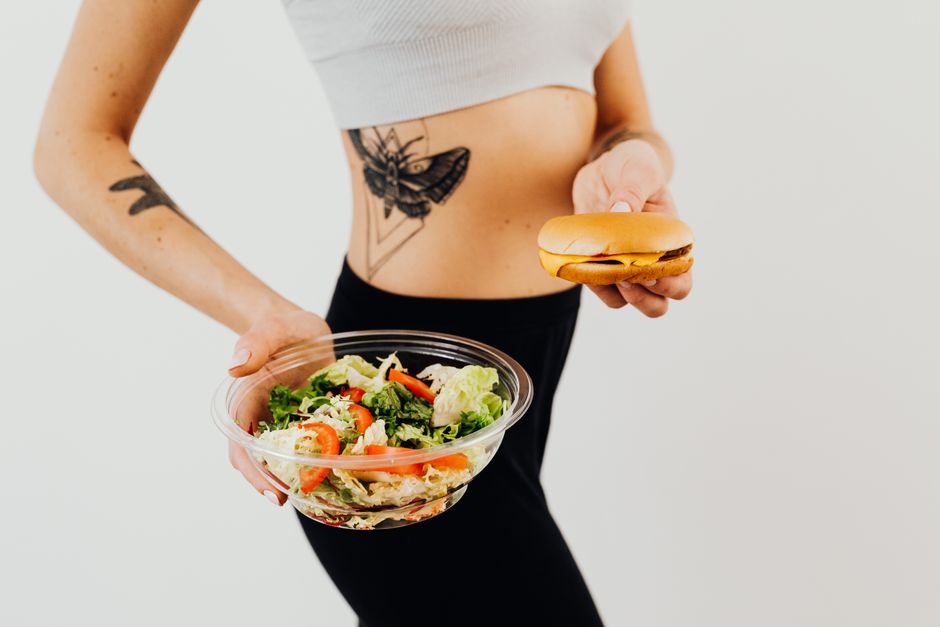
Stopping junk food is less about willpower and more about changing your surroundings, your habits, and how you respond to cravings. The most effective tips are eating regular meals with protein and fiber, keeping junk food out of the house, sleeping enough, and managing stress without turning to food. Cravings usually pass within 10 to 20 minutes, so having a plan for that window matters more than trying to feel no cravings at all.
Why Do We Crave Junk Food So Strongly?
Junk food is engineered to be rewarding. The combination of refined sugar, refined flour, salt, and fat triggers dopamine release in the brain’s reward system. Dopamine is a neurotransmitter tied to motivation and reward-seeking, not pleasure alone. That distinction matters. Highly palatable food doesn’t just taste good. It makes you want more of it.
Refined carbohydrates also affect blood sugar quickly. They digest fast, raise blood glucose, and can leave you hungry again sooner than a meal with protein, fat, and fiber would. That cycle of spike and dip can drive you back to the same foods.
There is a home environment factor too. Research on eating behavior consistently shows that food you can see and reach is food you are more likely to eat. A bag of chips on the counter gets eaten. The same bag on a high shelf in an opaque container gets eaten less. This isn’t a character flaw. It’s how human attention works.
Sleep and stress both feed into this. Short sleep and chronic stress are associated with higher appetite and stronger preference for calorie-dense foods in multiple studies. If you are running on five hours of sleep and constant pressure, no amount of meal planning will fully compensate.
How To Stop Eating Junk Food: What Actually Works
The strategies with the most support are boring and practical. They change the environment and the routine, not your personality.
- Eat regular meals with protein and fiber. A meal that keeps you full for hours reduces the number of times you have to resist a craving. Aim for protein and fiber at breakfast especially.
- Remove junk food from your home. You cannot snack on what isn’t there. This is the single most reliable change for most people.
- Plan for cravings. Decide in advance what you will do when a craving hits. Walk, drink water, chew gum, call someone. The plan matters more than the specific activity.
- Don’t shop hungry. Studies on grocery shopping suggest hunger influences what you buy. Eat before you go.
- Protect your sleep. Most adults need 7 or more hours per night according to established sleep guidance. Short sleep is linked to increased appetite and cravings.
- Change your route and your routines. If you pass a vending machine or drive past a drive-through daily, that cue does work on you whether you notice or not.
None of these require special products. That’s the point. Products marketed as appetite suppressants or “craving blockers” generally have limited evidence behind them, and some carry real side effects.
Does Cold Turkey Work Better Than Cutting Back?
For some people, yes. For others, no. The evidence on this is mixed and it likely depends on the food and the person.
Cutting back gradually can work if you have a clear structure. The risk is that “just a little” easily becomes “a little more” for foods that are hard to moderate. Many people find that certain snacks are easier to avoid entirely than to limit.
Cold turkey has its own risk. If you cut out all junk food at once and don’t replace it with satisfying meals, you may end up hungry, irritable, and more likely to rebound. The replacement matters as much as the removal.
A practical middle path: remove the foods you can’t moderate, and keep the ones you genuinely can. That’s not a compromise. It’s a realistic plan.





Are Junk Food Cravings a Form of Addiction?
This is a debated question and the honest answer is that the science is not settled. Some researchers argue that highly processed foods can trigger addictive-like eating patterns in susceptible people. Others argue that the evidence doesn’t meet the standard for addiction as it’s defined for substances.
What is clear is that cravings are real, they are physiological, and they are not a sign of weakness. The brain’s reward system responds to food cues. Repeated exposure to those cues can strengthen the response over time.
What is also clear is that most people can change their eating patterns without clinical treatment. For a smaller group, eating behavior becomes distressing and hard to control in a way that interferes with daily life. If that describes you, talking to a doctor or a mental health professional is reasonable. Eating disorders are real medical conditions, not willpower problems.
What Should You Eat Instead?
The goal isn’t to eat nothing enjoyable. It’s to build meals that leave you satisfied so junk food has less pull.
Protein and fiber are the two most useful levers. Protein takes longer to digest and has a stronger effect on satiety than fat or carbohydrate in controlled studies. Fiber adds bulk and slows digestion. Together they flatten the blood sugar curve that drives repeat snacking.
Practical swaps that tend to work:
- Greek yogurt with fruit instead of flavored yogurt cups
- Nuts or seeds instead of chips, in a portion you set out rather than eat from the bag
- Whole fruit instead of fruit juice or candy
- Popcorn (plain, not butter-drenched) instead of fried snacks
- Water, sparkling water, or unsweetened tea instead of soda
These aren’t magic. They work because they are closer to what your body actually needs and because they don’t spike and crash your blood sugar the way refined snacks do.
How Long Do Cravings Last?
Cravings are typically temporary. Most peak and fade within about 10 to 20 minutes if you don’t act on them. That window is the whole game.
What helps during that window:
- Drink a full glass of water
- Move — a short walk changes your environment and your attention
- Chew gum or brush your teeth
- Do something with your hands
- Text or call someone
What tends to make it worse: sitting still, scrolling food content, and telling yourself you can’t have something. Restriction thinking often backfires.
Over weeks, cravings usually become less frequent and less intense for most people. There’s no fixed timeline that applies to everyone. Some people notice a difference in a couple of weeks. Others take longer.
What About “Healthy” Junk Food?
Marketing has blurred this line significantly. Products labeled “natural,” “organic,” “keto,” “high-protein,” or “made with real fruit” can still be highly processed and high in sugar, refined starch, or salt.
A useful habit is to read the ingredient list rather than the front of the package. If the first few ingredients are sugar, syrup, refined flour, or oil, the product is closer to junk food than the label suggests. This applies to many granola bars, flavored yogurts, “veggie” chips, and protein cookies.
This isn’t about avoiding all packaged food. It’s about not being fooled by packaging.
Do You Need to Give Up Junk Food Forever?
No. Most people do better with a plan that allows some flexibility rather than total restriction. The question is frequency and context, not perfection.
What tends to work long-term:
- Junk food is not in the house by default
- It’s eaten occasionally, in a portion you choose, not from a family-size bag
- It’s not used as the main response to stress, boredom, or loneliness
- Regular meals are the baseline, not the exception
The people who succeed at this long-term usually aren’t the ones with the most willpower. They’re the ones who set up their environment and routine so willpower matters less.
Frequently Asked Questions
How long does it take to stop craving junk food?
Most people notice cravings becoming less frequent and less intense over several weeks, though there is no fixed timeline that applies to everyone. Cravings themselves typically peak and fade within 10 to 20 minutes when you don’t act on them.
Is it better to quit junk food cold turkey or cut back slowly?
Both can work, and the evidence on which is better is mixed. Many people find that foods they can’t moderate are easier to avoid entirely, while cutting back works better for foods they can genuinely limit.
Can you be addicted to junk food?
This is debated among researchers, and the science is not settled. What is clear is that cravings are real and physiological, and that highly processed foods can trigger strong reward responses in the brain.
What should I eat when I’m craving junk food?
Try water first, then a snack with protein or fiber such as Greek yogurt, nuts, or fruit. These tend to satisfy hunger longer than refined snacks and help avoid the blood sugar spike-and-crash cycle.
