
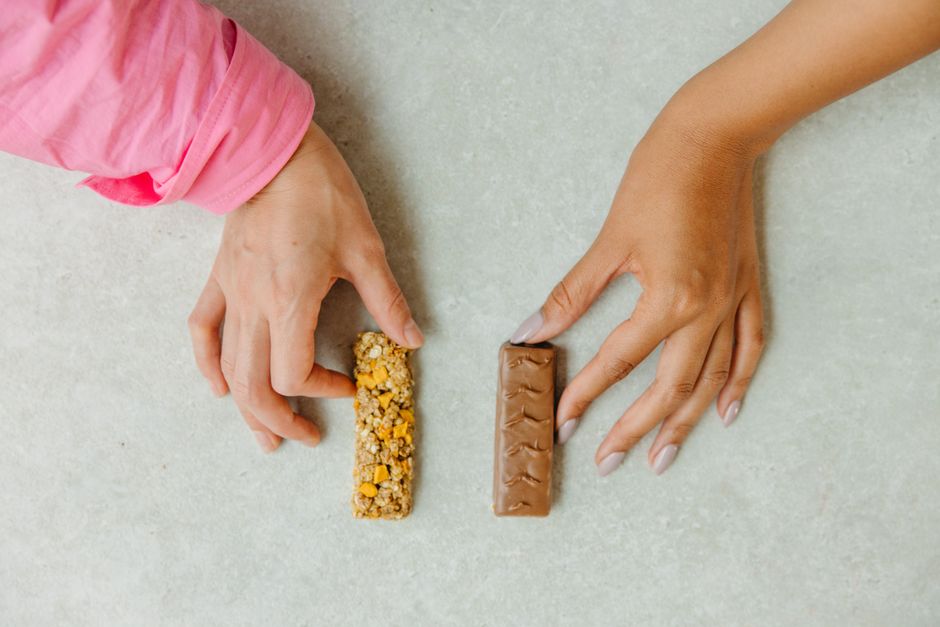
If you want to stop eating chocolate and beat cravings, start by understanding what a craving actually is. A craving is not a lack of willpower. It is a learned, reward-driven urge that builds from habit, emotion, and brain chemistry. The most effective approach combines changing your eating patterns, disrupting the routines that trigger the urge, and managing stress and sleep. Cutting chocolate out by force rarely lasts. Changing the conditions that create the craving works better.
Why Do Chocolate Cravings Happen?
Chocolate cravings come from a mix of biology and habit, not from a single “addiction” switch. The brain’s reward system responds to chocolate’s fat, sugar, and mild stimulants like caffeine and theobromine. That combination produces a quick dopamine signal, and the brain learns to expect it.
Two other factors matter more than most people realize. First, restriction: when you tell yourself you cannot have something, the urge often gets stronger, not weaker. Second, emotion: many people reach for chocolate when they are stressed, bored, sad, or tired. Over time the brain links those feelings to the act of eating chocolate.
Chocolate also contains compounds that may influence mood. Some research suggests certain components can affect the brain’s endorphin and serotonin systems, but the amounts are small and the evidence does not support chocolate as a meaningful mood treatment. The pull is mostly about taste, calories, and habit.
How To Stop Eating Chocolate And Beat Cravings
There is no single trick that works for everyone. The strategies below are the ones most consistently supported by behavioral research on eating habits and cravings. Use the ones that fit your life.
Stop banning chocolate completely
Forbidding chocolate tends to backfire. Studies on food restriction show that the foods people try hardest to avoid become the ones they think about most. A more workable goal is to reduce how often and how much you eat, rather than aiming for zero.
Change the cue, not just the willpower
Cravings are usually triggered by something: a time of day, a place, a person, or a feeling. If you eat chocolate every afternoon at your desk, the desk itself becomes a trigger. Try changing where you sit, what you do at that time, or having a different snack ready. Breaking the cue weakens the habit over time.
Wait out the wave
Cravings are usually temporary. They rise, peak, and fade, often within a short window if you do not act on them. Distracting yourself for even a few minutes — a short walk, a phone call, a glass of water — can let the urge pass. This is sometimes called “urge surfing.”
Eat enough, and eat protein and fiber
Hunger makes cravings stronger. If you skip meals or eat mostly refined carbohydrates, your blood sugar swings and your appetite rises. Meals with protein, fiber, and healthy fat tend to keep you fuller longer and reduce the urge to snack. This is general nutrition guidance, not a chocolate-specific fix.
Fix your sleep and stress
Poor sleep and ongoing stress both increase appetite and make high-calorie foods more appealing. This is well documented. If you are chronically short on sleep or under constant pressure, no amount of willpower will fully offset it. Improving sleep is one of the most reliable ways to reduce cravings.
Do not keep it within reach
Willpower is unreliable when the food is right in front of you. Simply not having chocolate in the house, or storing it out of sight, removes dozens of small decisions. This is a practical, evidence-informed habit change, not a moral failing.
Does Dark Chocolate Help or Hurt Cravings?
Dark chocolate is often marketed as the “healthy” choice. It does contain more cocoa solids and less sugar than milk chocolate, and cocoa is rich in plant compounds called flavonoids. Some research suggests flavonoids may support blood vessel function.
But that is a separate question from cravings. Dark chocolate still contains fat, sugar, and calories, and it can trigger the same reward response. Eating it does not reliably reduce cravings, and for many people it makes them stronger. If you enjoy a small amount of dark chocolate and it satisfies you, that is fine. If it leads to eating more, it is not helping.
Be cautious with claims that dark chocolate lowers blood pressure, improves mood, or supports heart health. Some small studies show modest effects, but the evidence is mixed and the amounts of cocoa used in research often differ from what people actually eat. No clinical evidence currently confirms that dark chocolate is a meaningful treatment for any health condition.





What About Sugar Cravings Specifically?
Chocolate cravings are partly sugar cravings. The body does not require added sugar, and there is no biological need for it. But the brain does respond to it, and cutting back suddenly can cause a temporary increase in urges.
Two things help. First, reduce gradually rather than all at once. Second, replace the habit with something else rather than just removing it. If your afternoon chocolate is really a break from work, take a real break. If it is a comfort habit, find another comfort.
Artificial sweeteners and “sugar-free” chocolate are sometimes used as substitutes. They may reduce calories, but they do not necessarily reduce cravings, and some people find they keep the sweet habit alive. The evidence on whether they help with long-term craving control is mixed.
When Cravings Might Signal Something Else
Occasional chocolate cravings are normal. Strong, persistent cravings for specific foods can sometimes be linked to other factors, including poor sleep, high stress, certain medications, and mood conditions like depression or anxiety.
In rare cases, intense cravings for non-food items like ice, dirt, or chalk can indicate a mineral deficiency, often iron. That is a different problem called pica, and it needs medical evaluation. Craving chocolate specifically is not a known sign of a nutrient deficiency in the general population, despite what some sources claim.
If cravings feel out of control, come with binge eating, or are affecting your health, talk to a doctor or a registered dietitian. This is not a willpower issue and it is treatable.
How Long Does It Take To Stop Craving Chocolate?
There is no fixed timeline, and anyone who gives you an exact number is guessing. Craving intensity often decreases over weeks as a new habit replaces the old one, but this varies widely between people.
The key point is that cravings usually fade with repetition, not with a single decision. Each time you ride out an urge without acting on it, the habit loop weakens a little. Progress is often gradual and not linear. Some days will be harder than others, and that is normal.
A Realistic Approach
Stopping chocolate is not about winning a fight against yourself. It is about making the craving less likely to show up and less powerful when it does.
- Do not aim for zero. Aim for less, less often.
- Change the routines and places that trigger the urge.
- Eat enough protein, fiber, and regular meals.
- Protect your sleep and manage stress.
- Keep chocolate out of easy reach.
- Let cravings pass instead of fighting them head-on.
If you slip and eat chocolate, it does not undo your progress. The goal is a pattern, not perfection. Consistency over weeks matters far more than any single day.
Frequently Asked Questions
How do I stop eating chocolate every day?
Start by reducing how often you eat it rather than cutting it out completely, since strict bans tend to increase cravings. Change the daily routine or cue that leads to it, and keep chocolate out of easy reach.
Why do I crave chocolate so much?
Chocolate cravings come from the brain’s reward response to its fat, sugar, and mild stimulants, combined with habit and emotional triggers. Poor sleep and stress can make cravings stronger.
Does dark chocolate stop cravings?
No. Dark chocolate has less sugar and more cocoa, but it can trigger the same reward response and does not reliably reduce cravings. Some people find a small amount satisfying, while others find it leads to eating more.
How long does it take to stop craving chocolate?
There is no fixed timeline, and it varies widely between people. Cravings often decrease over weeks as a new habit replaces the old one, but the process is gradual and not always steady.
