
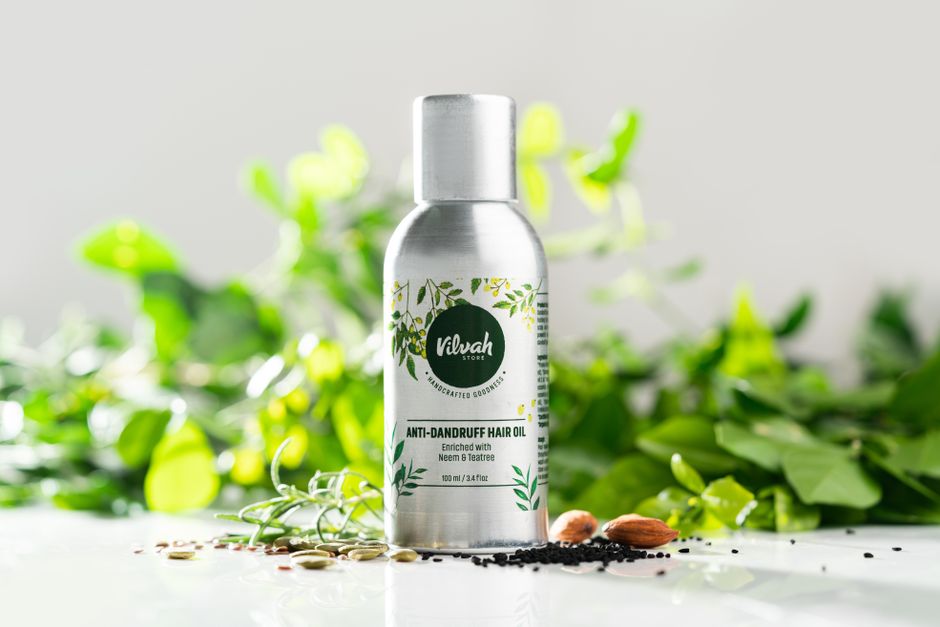
Dandruff is not a hygiene problem, and it is not caused by dry scalp. It is a common scalp condition that most people can manage with the right shampoo and, in some cases, small changes to diet and routine. There is no permanent cure, but consistent treatment controls it well for most people.
The most effective approach is an antifungal shampoo used regularly, not just when flakes appear. Diet plays a smaller and less direct role than many headlines suggest. There is no single food that stops dandruff, and cutting out entire food groups rarely helps. What follows is an honest look at what the evidence supports, what it does not, and where common advice goes wrong.
What Actually Causes Dandruff?
Dandruff is driven by a yeast that already lives on almost everyone’s scalp. It is called Malassezia, and it feeds on oils produced by your scalp. In some people, the immune system reacts to this yeast with irritation, redness, and faster shedding of skin cells. Those shed cells clump together and show up as white or yellowish flakes.
This is why dandruff is not simply dry skin. Dry scalp flakes are usually smaller, whiter, and come with tightness or itching from lack of moisture. Dandruff flakes tend to be larger, oilier, and often yellowish, and they sit on an oily scalp. The two look similar in photos but behave differently and need different treatment.
Several things make dandruff worse without causing it directly:
- Cold, dry weather, which dries the scalp and can increase irritation
- Stress, which is widely reported to worsen symptoms
- Infrequent shampooing, which lets oils and yeast build up
- Certain illnesses and medicines that affect the immune system
Dandruff is not contagious. You cannot catch it from someone else, and you cannot pass it on. It also has nothing to do with how often you wash your hair, though washing less often can make existing dandruff more visible.
How To Stop Dandruff Shampoos Diet Remedies?
The single most reliable step is choosing an antifungal shampoo and using it correctly. This is where most people go wrong. They buy the right product but use it like a normal shampoo, lather, rinse, done. That does not give the active ingredient time to work.
Look for shampoos containing one of these active ingredients, all of which have evidence behind them for dandruff:
- Zinc pyrithione — slows yeast growth and is widely available
- Ketoconazole — a stronger antifungal, available over the counter in some countries and by prescription in others
- Selenium sulfide — reduces yeast and slows skin cell turnover
- Salicylic acid — helps lift and remove existing flakes but does not treat the yeast
- Coal tar — slows skin cell turnover, used for more stubborn cases
How you use the shampoo matters as much as which one you pick. Work it into a lather and leave it on the scalp for several minutes before rinsing. Many product labels specify a contact time, and following it makes a real difference. Rinse thoroughly afterward.
Start by using it a few times a week. Once flakes are controlled, most people can drop to once a week or every other week to keep symptoms from returning. Dandruff tends to come back when treatment stops, so maintenance matters more than a short burst of washing.
If one ingredient stops working after a while, switching to a different one often helps. This is a common and practical strategy, though the reasons are not fully understood. It may relate to the scalp adapting or to product buildup.
Do Diet Changes Help Dandruff?
Diet is where expectations and evidence part ways. No specific food has been shown to cure or prevent dandruff. There is no clinical guideline recommending a dandruff diet, and no large human trial confirms that any single dietary change resolves the condition.
That said, a few connections are worth understanding honestly.
Because the Malassezia yeast feeds on scalp oils, anything that increases oil production could theoretically make dandruff worse. Some research suggests that diets high in certain fats and sugars may influence sebum production, but the evidence is not strong enough to make firm dietary recommendations for dandruff specifically.
Certain nutrient deficiencies can affect skin and scalp health. Zinc and B vitamins are involved in normal skin function, and severe deficiency can cause skin problems. However, taking supplements when you are not deficient has not been shown to improve dandruff. This is a key distinction that marketing often blurs.
Some people report that certain foods seem to trigger flare-ups. If you notice a consistent pattern, it is reasonable to pay attention to it. But eliminating broad food groups based on internet advice is not supported and can create nutritional gaps.
The honest summary: diet may play a supporting role in scalp health, but it is not a treatment for dandruff. Shampoo does the heavy lifting.





Which Home Remedies Have Real Support?
Home remedies range from mildly helpful to useless to actively irritating. Here is a grounded look at the common ones.
Tea tree oil has some evidence behind it. Small studies suggest it can reduce dandruff when added to shampoo, and it has mild antifungal properties. It can cause irritation or allergic reactions in some people, so test it on a small area first. Never swallow tea tree oil; it is toxic if ingested.
Apple cider vinegar is widely recommended online. There is no clinical evidence that it treats dandruff. Its acidity may temporarily loosen flakes, but it does not address the yeast, and it can irritate the scalp, especially if used undiluted.
Coconut oil and olive oil are often suggested to moisturize the scalp. For dandruff specifically, adding oil can feed the yeast and make things worse. These may help dry scalp, which is a different problem.
Aloe vera is soothing and may reduce irritation, but it does not treat the underlying cause.
Baking soda is a common internet suggestion and a poor one. It is alkaline and can disrupt the scalp’s natural barrier, leading to more irritation.
A useful rule: if a remedy claims to fix dandruff by “detoxing” or “balancing” the scalp, be skeptical. Those terms have no defined medical meaning here.
When Should You See a Doctor?
Most dandruff responds to over-the-counter shampoos within a few weeks of consistent use. If it does not improve after trying a few different active ingredients properly, it is worth seeing a doctor or dermatologist.
Some scalp conditions look like dandruff but are not. Seborrheic dermatitis is a related but more severe condition with redness, inflammation, and sometimes involvement of the eyebrows, sides of the nose, and behind the ears. It often needs prescription treatment. Psoriasis of the scalp causes thicker, silvery scales and needs different care. Fungal infections and eczema can also resemble dandruff.
See a doctor if you notice:
- Redness, swelling, or open sores on the scalp
- Severe itching that disrupts sleep
- Flakes that do not improve after several weeks of proper shampoo use
- Hair loss alongside the flaking
- Spreading to the face, ears, or other parts of the body
These signs do not mean something serious is wrong, but they do mean the cause may not be simple dandruff, and treatment may differ.
Common Mistakes That Keep Dandruff Coming Back
Many people treat dandruff once, see it clear up, and stop. Then it returns, and they assume nothing works. The problem is usually the routine, not the product.
Another common mistake is using too little shampoo or applying it to the hair rather than the scalp. The active ingredient needs to reach the scalp skin, not just coat the strands.
Some people rotate products too quickly, before any single one has had time to work. Others stick with one that has clearly stopped helping instead of switching ingredients.
Finally, harsh scratching and aggressive brushing can damage the scalp and worsen irritation. Treat the scalp gently, even when it itches.
Frequently Asked Questions
Can dandruff be cured permanently?
No, dandruff cannot be cured permanently, but it can be controlled effectively with regular antifungal shampoo use. Symptoms usually return if treatment stops, so ongoing maintenance is normal.
Does changing my diet stop dandruff?
No clinical evidence confirms that any specific diet change cures dandruff. Diet may support general scalp health, but shampoo remains the primary treatment.
How long does it take for dandruff shampoo to work?
Most people notice improvement within a few weeks of consistent, correct use. If there is no change after several weeks of trying different active ingredients, see a doctor.
Is dandruff a sign of poor hygiene?
No, dandruff is not caused by poor hygiene. It is driven by a common scalp yeast and the skin’s reaction to it, and it affects people regardless of how often they wash.
