
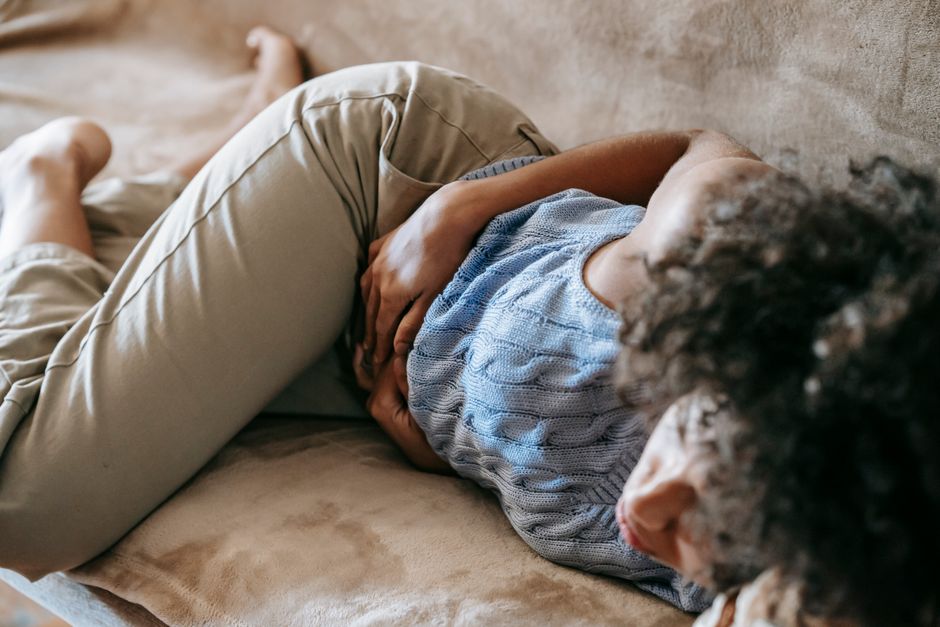
Cramps happen when a muscle contracts hard and won’t relax. For fast relief, stretch the muscle gently and hold it, apply heat to loosen tight tissue, and for menstrual cramps use a heating pad or take an over-the-counter NSAID like ibuprofen if it’s safe for you. Most muscle cramps ease within minutes once you stretch and relax the muscle.
That is the short version. The longer version matters because muscle cramps and period cramps are not the same problem, even though they feel similar. They have different causes and respond to different fixes. Getting the right one right saves you a lot of useless stretching.
What Actually Causes a Muscle Cramp?
A cramp is a sudden, involuntary contraction of a muscle that does not relax on its own. The muscle fires and keeps firing, and the signal to let go gets lost somewhere in the process.
The exact mechanism is still debated. What researchers do agree on is that cramping involves misfiring of the nerves that control muscle contraction, not simply a muscle that is “out of salt.” That distinction matters because it explains why drinking pickle juice or eating a banana does not always help.
Common triggers for exercise-associated muscle cramps include:
- Muscle fatigue from unfamiliar or intense activity
- Poor conditioning for the effort you’re asking of the muscle
- Dehydration and electrolyte loss, especially in heat
- Certain medications, including some diuretics and statins
- Medical conditions such as thyroid problems, diabetes, and nerve disorders
Nighttime leg cramps are common in older adults and during pregnancy. They are usually harmless, but frequent cramps can sometimes point to an underlying issue worth mentioning to a doctor.
How To Stop Cramps Fast Muscle And Period Relief
For a muscle cramp, the fastest reliable move is to stretch the cramped muscle and hold the stretch. If your calf seizes up, straighten your leg and pull your toes toward your shin. Hold it. The stretch interrupts the contraction and helps the muscle release.
Heat works well for tight, knotted muscles. A warm shower, heating pad, or warm towel can relax the tissue and ease the ache that lingers after the cramp passes. Gentle massage helps too.
For period cramps, the approach is different. Menstrual cramps come from the uterus contracting, driven by hormone-like compounds called prostaglandins. Heat and anti-inflammatory medication target that process directly.
A heating pad placed on the lower abdomen is one of the better-supported non-drug options for period pain. Some studies suggest heat can relieve cramp pain about as well as over-the-counter pain relievers for some people, though results vary and it depends on the person.
NSAIDs like ibuprofen and naproxen reduce prostaglandin production, which is why they work well for menstrual cramps specifically. They are most effective when taken at the first sign of cramps rather than waiting for pain to peak. Check with a pharmacist or doctor first if you have stomach, kidney, or heart conditions, or if you take other medications.
Does Stretching or Massage Really Help?
Stretching helps a muscle cramp in progress, and gentle stretching may reduce how often cramps come back. The evidence for preventing cramps through stretching alone is not strong, but for relieving an active cramp it is one of the most practical things you can do.
Massage helps mainly by relaxing the muscle and improving blood flow to the area. It won’t fix an underlying cause like dehydration or a medication side effect, but it can ease the tightness that follows a cramp.
For period cramps, massage of the lower back and abdomen is often used and many people find it soothing. The research on massage for menstrual pain is limited, so treat it as comfort care rather than a proven treatment.
What About Electrolytes, Bananas, and Pickle Juice?
Electrolytes matter when cramps are linked to heavy sweating and fluid loss. If you’ve been exercising hard in heat and sweating a lot, replacing sodium and fluids can help. But for most everyday cramps, adding salt or potassium is not a magic fix.
Bananas are often recommended for potassium. The amount in a banana is small compared with what your body needs, and low potassium is rarely the cause of a typical cramp in healthy people. It’s a fine food, just not a reliable cramp cure.
Pickle juice has a small following and a little research behind it. Some studies suggest it can reduce cramp duration, possibly by triggering a reflex in the mouth and throat rather than by replacing electrolytes. The evidence is limited and the studies are small, so it’s reasonable to try but not something to count on.
No clinical guidelines currently recommend a specific electrolyte dose for preventing cramps in the general population. If you cramp often during exercise, a sports drink during long or hot workouts is a sensible practical step.
How Do You Prevent Cramps From Coming Back?
Prevention depends on what’s causing them. For exercise-related cramps, the most consistent advice is to build up activity gradually and keep your conditioning matched to the effort. Sudden hard workouts on tired muscles are a common trigger.
Staying hydrated helps, especially in heat. Warming up before activity and cooling down after may reduce the chance of cramping, though the evidence for warm-ups specifically preventing cramps is not strong.
If you get nighttime leg cramps, gentle stretching of the calves before bed is commonly recommended. Some clinicians suggest it, though trials have shown mixed results. It’s low-risk and worth trying.
For period cramps, regular physical activity, good sleep, and managing stress may help over time. NSAIDs taken early in the cramp cycle are more effective than waiting. If cramps regularly interfere with daily life, that’s worth raising with a doctor, because it can sometimes point to conditions like endometriosis.
When Should You See a Doctor About Cramps?
Most cramps are harmless. Some are not, and it helps to know the difference.
See a doctor if cramps are frequent, severe, or interfering with sleep or daily activities. Also get checked if cramps come with swelling, redness, or warmth in the leg, since that can signal a blood clot, which is a medical emergency.
Other reasons to seek care: cramps that happen at rest without a clear trigger, muscle weakness, numbness, or cramps linked to a new medication. Frequent cramps can sometimes be a sign of thyroid problems, nerve issues, or electrolyte imbalances that need testing.
For period pain, see a doctor if the pain is severe enough to miss work or school, does not respond to over-the-counter pain relievers, or comes with heavy bleeding. Severe menstrual pain is common but not something you have to simply endure.
Muscle Cramps vs. Period Cramps: What’s the Difference?
They feel similar but work differently. Muscle cramps come from a skeletal muscle that won’t relax. Period cramps come from the uterus contracting, driven by prostaglandins released during menstruation.
| Feature | Muscle Cramp | Period Cramp |
|---|---|---|
| Source | Skeletal muscle contraction | Uterine contraction |
| Main driver | Nerve and muscle misfiring, fatigue, fluid loss | Prostaglandins |
| Fast relief | Stretch and hold, heat, massage | Heat, NSAIDs taken early |
| Prevention | Gradual training, hydration | Regular activity, early NSAID use, medical review if severe |
Knowing which type you’re dealing with tells you which fix to reach for first. Stretching a period cramp won’t do much. A heating pad on a calf cramp helps but stretching does more.
Frequently Asked Questions
How do you stop a muscle cramp in seconds?
Stretch the cramped muscle and hold it until the contraction releases, which usually takes seconds to a couple of minutes. For a calf cramp, straighten your leg and pull your toes toward your shin.
What is the fastest way to relieve period cramps?
Apply heat to the lower abdomen and take an NSAID like ibuprofen early if it is safe for you. Heat and anti-inflammatory medication both target the cramping process directly.
Does drinking pickle juice stop cramps?
Some small studies suggest it may shorten cramp duration, possibly by triggering a reflex rather than by replacing electrolytes. The evidence is limited, so it is reasonable to try but not a guaranteed fix.
When should cramps worry you?
Get medical care for cramps with leg swelling, redness, or warmth, or for cramps that are frequent, severe, or come with weakness or numbness. Severe period pain that disrupts daily life also deserves a doctor’s review.
