
Cracking your knuckles, neck, back, or other joints is a common habit. For many people, it is a way to relieve tension or simply a nervous response to stress. The good news is that if you want to stop, it is entirely possible. Breaking the habit requires understanding why you do it, finding replacement behaviors, and being patient with yourself. This guide explains the mechanics behind the cracking sound and offers practical, evidence-based strategies to help you stop.
Why Do Joints Crack In The First Place?
The “pop” or “crack” you hear is not your bones hitting each other. It is a gas bubble. Your joints contain synovial fluid, which acts as a lubricant. This fluid holds dissolved gases like carbon dioxide and nitrogen. When you stretch or bend a joint in a specific way, you increase the space inside the joint capsule. This drop in pressure causes the gases to come out of the solution and form a bubble. The bubble popping creates the sound you hear.
After you crack a joint, it takes time for the gases to dissolve back into the fluid. This is why you cannot crack the same knuckle again immediately. It usually takes about 15 to 30 minutes for the joint to be ready to crack again.
Research consistently shows that habitual knuckle cracking does not cause arthritis. However, it can lead to soft tissue damage or reduced grip strength over time in some people, according to some studies. The primary reason to stop is often social, or because the habit is causing discomfort or swelling.
How To Stop Cracking Joints And Break The Habit: Awareness First
Before you can change a habit, you must know when you are doing it. Most joint cracking is done without conscious thought. You might do it while reading, watching television, or sitting at your desk.
Start by tracking your behavior for a few days. Keep a small notebook or use a notes app on your phone. Every time you catch yourself cracking a joint, make a note. Write down the time of day, where you are, and what you are doing. This is not about judging yourself. It is about gathering data.
You will likely notice a pattern. Perhaps you crack your neck when you have been staring at a computer screen for too long. Or maybe you crack your fingers when you feel anxious in social situations. Identifying these triggers is the first step to changing the behavior.
Once you know your triggers, you can address the underlying cause. If you crack your neck because of screen time, adjust your workstation. If you crack your fingers when stressed, you need a different stress outlet.
Use Replacement Behaviors To Satisfy The Urge
When you feel the urge to crack a joint, you need a substitute action. The goal is to perform a different movement that provides similar sensory input without the popping sound.
Here are some effective replacement strategies:
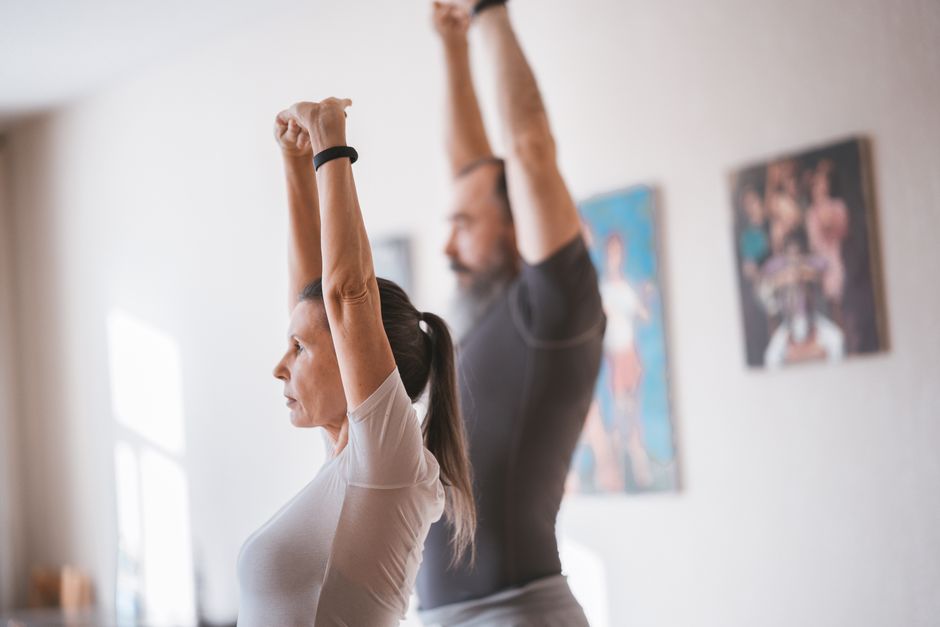
- Stretch gently: Instead of cracking your knuckles, interlace your fingers and stretch your arms forward with palms facing away. Hold for 15 seconds. This stretches the hands and wrists without popping the joints.
- Use a stress ball: Squeezing a stress ball or therapy putty gives your hands something to do. It engages the muscles and can relieve tension that would otherwise lead to cracking.
- Fidget tools: Spinners, cubes, or smooth stones give your fingers a tactile outlet. They keep your hands busy without putting stress on your joints.
- Roll your shoulders: If you crack your neck or upper back, try slow shoulder rolls. Move your shoulders up, back, and down in a circular motion. This relieves tension in the same muscle groups without forcing the joint to pop.
- Practice deep breathing: If stress triggers your habit, take three slow, deep breaths when you feel the urge. This calms the nervous system and reduces the physical urge to crack.
These replacement behaviors are most effective when you start them early. The urge to crack builds gradually. If you can interrupt the cycle in the first few seconds, you have a much better chance of avoiding the crack.





Physical Strategies To Reduce The Need To Crack
Sometimes joints feel stiff, and cracking them provides relief. If this sounds like you, the stiffness itself may be the problem. Improving joint mobility and muscle flexibility can reduce the urge to crack.
Regular stretching is one of the most effective ways to reduce joint stiffness. Focus on the areas where you crack most often. If you crack your fingers, stretch your hands and wrists daily. If you crack your back or neck, incorporate spinal mobility exercises into your routine.
Exercise also helps. Movement lubricates the joints naturally. When you exercise, your body produces more synovial fluid, which keeps joints moving smoothly. Low-impact activities like swimming, cycling, and walking are excellent choices.
Heat can also help. A warm shower or a heating pad applied to a stiff neck or back can relax the muscles around the joint. Relaxed muscles put less tension on the joint, reducing the urge to crack it.
If you experience pain along with stiffness, talk to a healthcare provider. Pain is not a normal part of joint cracking. It could indicate an underlying condition that needs medical attention.
Behavioral Techniques That Actually Work
Awareness and replacement behaviors are the foundation. But some people need additional help to break the habit. Behavioral techniques can provide that extra support.
Habit reversal training is a structured approach used by therapists to treat repetitive behaviors. It involves three steps: awareness, competing response, and social support. You have already started the awareness step. The competing response is a physical action that is incompatible with cracking. For example, if you crack your knuckles by pulling them, your competing response might be to press your palms flat on a table for 30 seconds. This makes it physically impossible to crack.
Wearing a physical reminder can also help. Some people wear a rubber band around their wrist and snap it lightly when they catch themselves cracking. Others find that wearing a ring or a watch serves as a reminder to stop. The key is to choose something that you will notice consistently.
Setting small goals is another effective strategy. Do not try to stop completely on the first day. Instead, aim to reduce the number of times you crack per day. If you typically crack your knuckles 20 times a day, try to reduce it to 15. Once you achieve that, aim for 10. Gradual reduction is more sustainable than trying to quit cold turkey.
When Cracking Is A Sign Of A Bigger Problem
Most joint cracking is harmless. But not all of it is. There is a difference between a habitual pop and a joint that cracks because of an underlying issue.
Seek medical advice if you notice any of the following:
- Cracking accompanied by pain
- Swelling or redness around the joint
- A joint that locks or gets stuck
- Cracking that starts after an injury
- Weakness or numbness in the area
These symptoms could indicate a ligament injury, cartilage damage, or an inflammatory condition like arthritis. A healthcare provider can perform a physical examination and recommend appropriate imaging or treatment.
Also, note that some cracking sounds are not from gas bubbles. Tendons can snap over bony prominences as they move. This is called crepitus and is often harmless. However, if tendon snapping is painful or frequent, it may indicate a tracking problem that could benefit from physical therapy.
Frequently Asked Questions
Does cracking your knuckles cause arthritis?
No, research has not found a link between knuckle cracking and arthritis. However, some studies suggest it may reduce grip strength or cause soft tissue swelling over many years.
Why do I feel the need to crack my joints?
Most people crack joints to relieve tension or stiffness, or out of habit during stress or boredom. The urge is often tied to a feeling of pressure in the joint that popping temporarily relieves.
Is it bad to crack your neck or back?
Cracking your neck or back occasionally is generally safe if it is painless. Avoid forcing these joints to crack, especially with rapid or extreme movements, as this can strain ligaments or muscles.
How long does it take to break the habit of cracking joints?
There is no set timeline, but research on habit reversal suggests it often takes several weeks of consistent effort. Most people notice significant improvement within three to four weeks of using awareness and replacement techniques.
