
If you feel like you cannot stop eating chips, popcorn, or cornbread, the first thing to understand is that you are not weak. Highly processed corn products are engineered to be crunchy, salty, and fast to eat, and that combination can drive eating past the point of fullness. A two-week reset works by removing the most habit-forming forms of corn, rebuilding regular meals around protein and fiber, and breaking the cue-and-reward loop that keeps you reaching for the bag.
Is Corn Addiction Real?
There is no formal diagnosis called corn addiction. That term does not appear in the DSM-5, the manual clinicians use to diagnose mental health conditions. What people describe as corn addiction is usually a strong habit, not a true substance dependence.
The pattern is still real, and the science behind it is not mysterious. Ultra-processed foods — a category that includes most corn chips, cheese puffs, and sweetened corn cereals — tend to be high in refined carbohydrate, fat, and salt, and low in fiber and water. Research on ultra-processed foods has found that people eat them faster and in larger amounts than minimally processed foods. A small but well-known controlled feeding study found that participants ate significantly more calories per day on an ultra-processed diet than on an unprocessed diet, even when the meals were matched for sugar, fat, and carbohydrate. That study was conducted by researchers at the National Institutes of Health and published in Cell Metabolism.
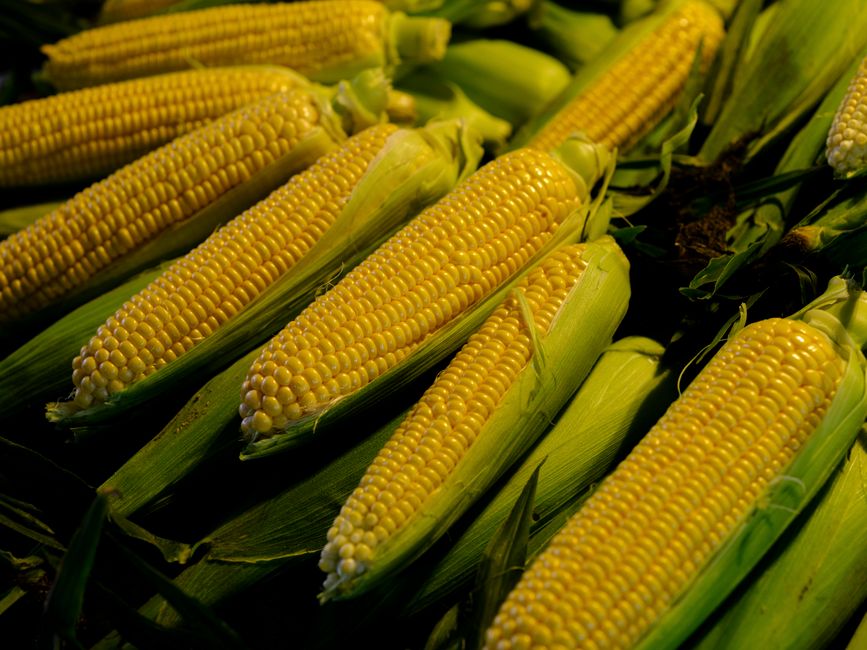
That does not mean corn itself is addictive. Plain corn on the cob and a bag of corn chips are not the same food. The issue is the processing, the speed of eating, and the cues around the food.
Why Is Corn So Hard to Stop Eating?
Corn is cheap, shelf-stable, and processed into dozens of forms that are hard to eat slowly. That combination makes it a near-constant presence in the American food supply.
Three things make corn products easy to overeat:
- Speed. Chips and puffs dissolve or crunch quickly. Fast eating gives your body less time to register fullness.
- Flavor stacking. Salt, fat, and often a touch of sugar are combined in ways that keep the reward high bite after bite.
- Portability. Corn snacks are easy to eat while watching TV, driving, or working — situations where you are not paying attention to how much you have eaten.
There is also a practical trap. Many people cut out corn snacks but do not replace them with anything. Hunger builds, and by evening the bag wins. A reset has to solve for hunger, not just willpower.
How To Stop Corn Addiction A Two Week Reset
A two-week reset is a structured break, not a permanent diet. The goal is to interrupt the habit loop long enough that the automatic reach for corn snacks weakens.
Here is how to run it:
- Days 1–3: Clear the cue. Remove corn chips, puffs, popcorn, and sweetened corn cereal from where you can see them. Out of sight matters more than out of the house.
- Days 4–7: Rebuild meals. Add protein and fiber to breakfast and lunch. Eggs, Greek yogurt, beans, lentils, and vegetables all help. When meals are more filling, snacking urges drop.
- Days 8–14: Replace the ritual. Keep the crunch, change the source. Carrots, cucumber, apples, and plain nuts give your mouth something to do without the same reward profile.
Do not aim for perfection. The point is to reduce frequency, not to eliminate every corn product forever. Corn tortillas, corn on the cob, and plain frozen corn are not the problem — the engineered snack foods are.





What Should You Eat Instead of Corn Snacks?
Replacement foods need to be satisfying, or the reset will not last. The best swaps combine protein, fiber, and some fat, because that combination slows digestion and steadies blood sugar.
| Instead of | Try | Why it helps |
|---|---|---|
| Corn chips | Roasted chickpeas | Higher protein and fiber per serving |
| Popcorn | Plain nuts or seeds | Fat and protein slow eating |
| Cheese puffs | Greek yogurt with berries | Protein plus natural sweetness |
| Sweet corn cereal | Oatmeal with peanut butter | Fiber keeps you full longer |
None of these swaps is a cure. They simply change the reward your brain gets from eating, which is what makes the habit easier to break.
Does the Two-Week Timeline Actually Work?
Two weeks is a practical window, not a scientifically proven threshold. There is no study that says habits change in exactly 14 days.
What research does show is that habits form and fade gradually, and that context matters a great deal. A frequently cited study from University College London found that the time it took people to reach automaticity on a new behavior ranged widely — from roughly 18 days to over 250 days, depending on the person and the behavior. That study was published in the European Journal of Social Psychology.
So two weeks is a reasonable starting block. It is long enough to notice a change in cravings and short enough to feel doable. Some people will need longer. That is normal and not a sign of failure.
What Makes Cravings Worse?
Skipping meals, poor sleep, and stress all increase the pull toward fast, salty, crunchy food. That is not a character flaw — it is physiology.
When you are short on sleep, the hormones that regulate appetite shift in ways that increase hunger and reduce satiety. Stress raises cortisol, which can drive eating for comfort rather than hunger. And going long stretches without eating makes any available snack look better.
If you are trying to cut back on corn snacks, protect your sleep and do not skip meals. Those two changes alone can reduce how often you feel the urge.
When Should You Talk to a Doctor?
If you feel out of control around food, eat in secret, or feel distressed about your eating, that is worth discussing with a clinician. These can be signs of an eating disorder, and they deserve proper care, not a self-help reset.
Talk to a doctor if you have diabetes, prediabetes, or another condition where diet changes matter, or if you are pregnant or breastfeeding. No clinical guidelines exist for running a corn-specific reset in those groups, so individual guidance is the safer path.
For most healthy adults, cutting back on processed corn snacks is low risk. It is not a treatment for any disease, and it will not fix a medical condition on its own.
Frequently Asked Questions
Is corn actually addictive?
No — corn itself is not addictive in the way drugs or alcohol are. The habit-forming part is usually the ultra-processed form of corn, like chips and puffs, which are engineered to be fast, salty, and easy to overeat.
How long does it take to stop craving corn snacks?
There is no fixed timeline, and research on habit change shows wide variation between people. Many notice fewer cravings within a couple of weeks, but some take much longer.
Can I still eat corn on a two-week reset?
Yes, if you mean plain corn — corn on the cob, frozen corn, or corn tortillas. The reset targets processed corn snacks, not corn as a vegetable or grain.
What if I slip up during the reset?
One slip does not undo the reset. Return to your next planned meal and keep going — the goal is reducing how often the habit happens, not perfection.
