
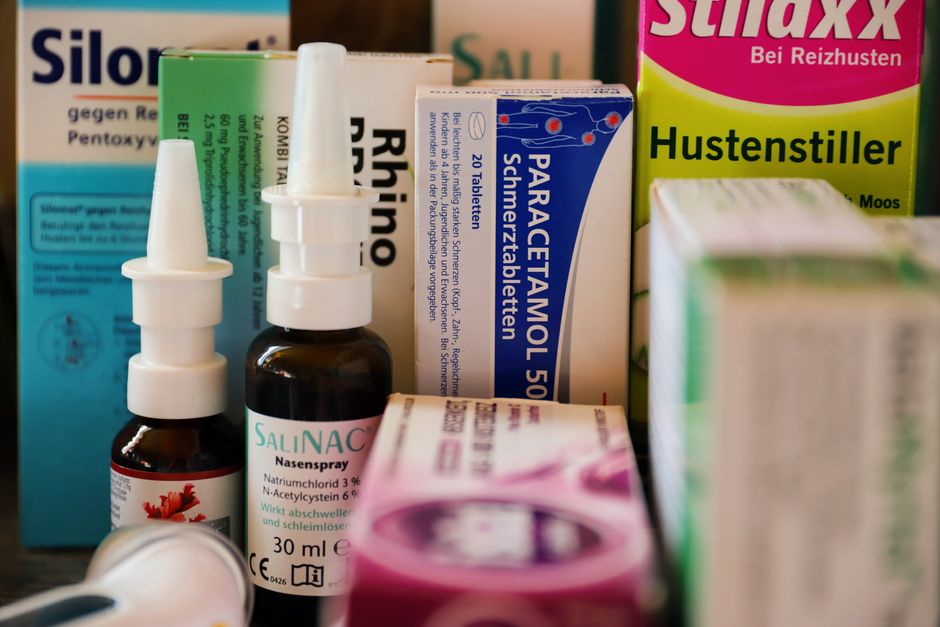
Nasal decongestant sprays like oxymetazoline (Afrin) and phenylephrine (Neo-Synephrine) work fast. That speed is also the problem. Use them for more than three days in a row and the spray itself can cause worse congestion than the cold or allergy that started it. The medical name is rhinitis medicamentosa, and stopping requires a plan, not just willpower. The most reliable method is to stop the spray in one nostril at a time while treating the rebound swelling with a saline rinse and, in many cases, a steroid nasal spray.
Why Do Decongestant Sprays Make Congestion Worse?
These sprays squeeze the blood vessels inside your nose. Swelling drops, airways open, and you can breathe. The relief is real, but it is borrowed.
With repeated use, the tissue adapts. Blood vessels stop responding to the spray the way they once did. When each dose wears off, they swell more than before. You reach for the bottle again, and the cycle tightens. This rebound effect is well documented and is the defining feature of rhinitis medicamentosa.
Oxymetazoline and phenylephrine are the two common over-the-counter ingredients that cause it. Both carry a label warning against using them longer than three days. That limit is not marketing caution. It reflects how quickly the nasal lining can become dependent on the drug.
One detail people often miss: this is not addiction in the psychological sense. The dependence is physical, built into the blood vessels of the nose. That distinction matters, because the way out is medical and gradual, not a matter of discipline.
How Long Does It Take to Break a Spray Habit?
Most people see real improvement within one to two weeks of stopping the spray. Full recovery can take longer, especially after months or years of daily use.
The first few days are the hardest. Congestion often gets worse before it gets better, because the nasal lining has to readjust to working without the drug. Knowing this in advance helps. The discomfort is a sign the tissue is recovering, not a sign that you need the spray again.
Some people recover fully in a week. Others need several weeks for the nose to feel normal. The timeline depends on how long you used the spray and how often. There is no single schedule that fits everyone, but the direction is consistent: it improves with time and the right support.
How To Stop Congestion Remedies Sprays More: A Step-by-Step Approach
There are two main strategies. One is to stop abruptly. The other is to taper. A taper is often easier to tolerate and is a common approach many clinicians recommend.
The one-nostril method works well for tapering. Use the spray only in one nostril until that side is free of the spray, then stop the second side. This keeps one airway open while the other recovers, which makes the process far more bearable.
- Pick one nostril. Use the spray only in that side and leave the other nostril alone.
- Use saline in the free nostril. Rinse with saline several times a day to keep it clear.
- Reduce the spray slowly. Step down to one spray per day in that nostril, then every other day, then stop.
- Repeat with the second nostril. Once the first side is stable, apply the same taper to the other side.
Saline rinses are the workhorse here. They flush out mucus, reduce irritation, and keep the nasal lining moist. They do not cause rebound congestion, so you can use them as often as you need. Distilled, sterile, or previously boiled water should always be used for rinsing, never straight tap water.
If the rebound is severe, a doctor may suggest a short course of a steroid nasal spray. These reduce inflammation without causing rebound. They take days to build up effect, so they are not a rescue for a blocked nose in the moment. Some clinicians also recommend a brief course of oral steroids in difficult cases. That is a decision for a doctor, not a self-treatment.





What About Steroid and Saline Sprays?
Not all nasal sprays cause rebound. It helps to know which type you are holding.
| Spray type | Common examples | Rebound risk |
|---|---|---|
| Decongestant | Oxymetazoline, phenylephrine | High with use beyond 3 days |
| Saline | Salt water rinses and sprays | None |
| Steroid | Fluticasone, budesonide, mometasone | None |
| Antihistamine | Azelastine | None |
Steroid sprays are the standard long-term treatment for allergic and non-allergic rhinitis. They are not addictive and do not cause rebound congestion. They work slowly, reducing swelling over days to weeks. Used correctly, they can replace the decongestant entirely for many people.
One clarification worth knowing: the “no more than three days” rule applies to decongestant sprays only. If you have been using a steroid spray daily for months, that is not the same problem, and stopping it suddenly is not necessary.
What Makes Rebound Congestion Worse?
Several habits make the cycle harder to break. Knowing them helps you avoid the traps.
- Using the spray “just once more” to sleep. Each rescue dose restarts the cycle. This is the most common reason tapers fail.
- Treating the underlying cause with nothing. If allergies or a deviated septum are driving the congestion, the nose stays irritated and the pull toward the spray stays strong.
- Dry indoor air. Low humidity irritates the nasal lining. A humidifier in the bedroom can help.
- Smoke and strong fumes. These keep the nasal lining inflamed and slow recovery.
Treating the root cause matters. If allergies are behind the congestion, an antihistamine or steroid spray addresses the trigger. If a structural issue like a deviated septum is involved, that is a conversation for a doctor. In some cases, persistent blockage needs an exam to rule out other causes.
When Should You See a Doctor?
See a doctor if congestion lasts more than a few weeks despite stopping the spray, or if you have facial pain, fever, or bloody discharge. These can point to a sinus infection or another problem that needs proper evaluation.
Also seek care if you cannot breathe comfortably through either nostril even briefly, or if you have underlying heart disease or high blood pressure. Decongestants can raise blood pressure and heart rate, so these conditions change the picture.
Children need special care. Decongestant sprays are not recommended for young children, and dosing guidance for children differs from adults. Ask a pediatrician before using any decongestant spray in a child.
Pregnancy and breastfeeding also call for caution. Check with a clinician before using decongestant sprays during pregnancy. Saline rinses are generally considered safe, but any medication decision in pregnancy belongs with your doctor.
Can You Prevent Rebound Congestion?
Yes. The simplest prevention is a firm time limit. Use a decongestant spray for no more than three days, then stop, even if you are still congested.
Keep saline on hand as your default. Reach for saline first and save the decongestant for the worst days. If you know you are prone to rebound, ask a pharmacist or doctor about a steroid spray for longer-term control before you ever open a decongestant bottle.
The pattern is predictable. Short bursts of decongestant, backed by saline and treatment of the underlying cause, keep the nose working on its own. The spray becomes a tool you pick up and put down, not something you depend on.
Frequently Asked Questions
How long does it take to get off decongestant spray?
Most people notice real improvement within one to two weeks of stopping, though full recovery can take longer after prolonged use. The first few days are usually the hardest.
Can I stop decongestant spray cold turkey?
Yes, but it is often uncomfortable because congestion can worsen before it improves. Tapering one nostril at a time with saline support is usually easier to tolerate.
What can I use instead of decongestant spray?
Saline rinses and steroid nasal sprays do not cause rebound congestion and are the main alternatives. Steroid sprays work slowly over days to weeks rather than instantly.
Is rhinitis medicamentosa permanent?
No, it is generally reversible once the decongestant spray is stopped. Recovery time varies with how long the spray was used and whether the underlying cause is treated.
