
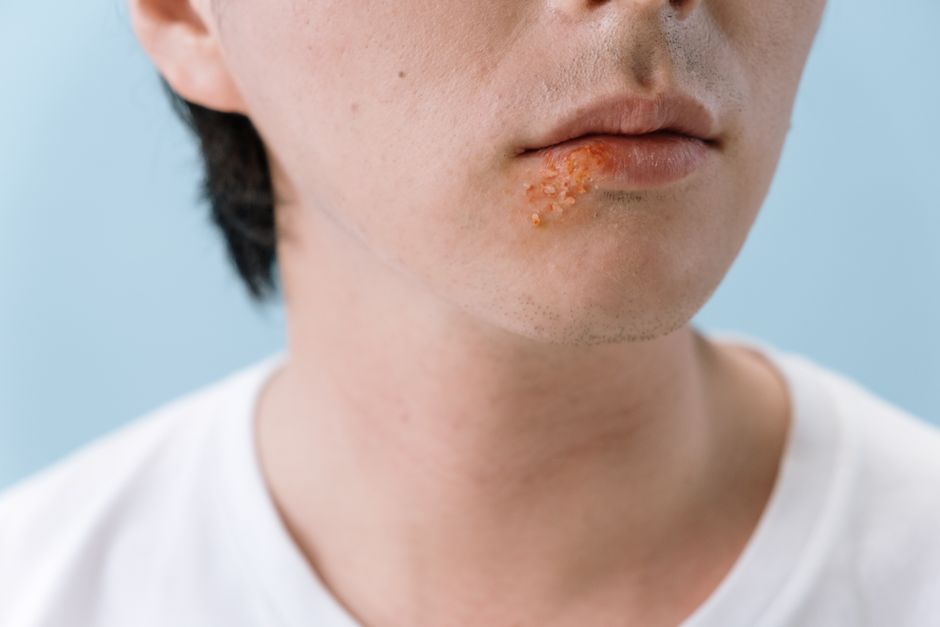
A cold sore itch can be intense, distracting, and hard to ignore. You can stop the itching with over-the-counter creams containing benzocaine or lidocaine, cold compresses, and by keeping the area moisturized. Antiviral creams like docosanol (Abreva) can also shorten the outbreak, which means less time spent dealing with the itch.
Why Do Cold Sores Itch So Much?
The itching is not random. It is a direct result of the herpes simplex virus (HSV-1) replicating inside your nerve cells. When the virus becomes active, it travels down the nerve to the skin surface. This process triggers inflammation and irritation in the affected area.
Most people feel a tingling or burning sensation 12 to 24 hours before a blister appears. This is called the prodrome phase. The itch often peaks when the blister is fully formed and starts to crust over. As the sore heals, the scab can dry out and crack, which causes a second wave of itching.
Scratching is the worst thing you can do. It breaks the blister, which can spread the virus to other parts of your face or to your fingers. It also increases the risk of a bacterial infection and can leave a permanent scar.
How To Stop Cold Sore Itching Creams Patches More
The most effective approach combines numbing agents, antiviral medication, and physical barriers. Each one targets a different part of the problem.
Numbing creams and gels are your first line of defense against active itching. Look for products containing benzocaine, lidocaine, or tetracaine. These are local anesthetics that temporarily block nerve signals in the skin. They do not kill the virus, but they stop the itch signal from reaching your brain. Apply them with a clean cotton swab to avoid contaminating the tube with the virus.
Cold compresses are a simple and surprisingly effective option. Apply a clean, cold, damp cloth to the area for 10 to 15 minutes several times a day. The cold reduces blood flow to the area, which calms inflammation and numbs the nerve endings. Do not put ice directly on the skin, as this can cause frostbite.
Hydrocolloid patches are small adhesive bandages designed for cold sores. They stick over the blister and create a moist healing environment. The patch physically covers the sore, so friction from talking or eating does not trigger the itch. It also absorbs fluid from the blister and prevents you from touching or scratching the area. Many people find that the patch alone reduces the urge to scratch because the sore is no longer exposed to air.
Antiviral creams such as docosanol (Abreva) are available over the counter. Docosanol works by preventing the virus from fusing with the cell membrane, which stops it from spreading to healthy cells. It is most effective when applied at the first sign of tingling. Penciclovir (Denavir) is a prescription antiviral cream that works similarly. These do not stop itching directly, but they shorten the outbreak duration, which means the itching stops sooner.
If you have frequent or severe outbreaks, a doctor may prescribe oral antiviral medications like valacyclovir or acyclovir. These are taken by mouth and work systemically to stop the virus from replicating. For many people, a single dose taken at the first sign of tingling can prevent the blister from forming entirely.
What To Avoid During An Outbreak
Some common habits make cold sore itching significantly worse. Avoiding these can be as important as using the right treatment.
Do not pick or scratch the scab. The scab is part of the healing process. Pulling it off exposes raw skin, restarts the healing clock, and can leave a scar. The itch under a scab is a sign that new skin is forming. It is temporary.
Avoid acidic and salty foods. Citrus fruits, tomatoes, vinegar-based dressings, and salty snacks can irritate the open sore and trigger a sharp burning or itching sensation. Stick to bland, soft foods until the sore heals.
Skip lip balms with fragrance or flavor. Many lip balms contain menthol, camphor, or artificial flavors that can irritate an active cold sore. Use a plain, fragrance-free moisturizer or ointment like petroleum jelly to keep the area hydrated.
Do not share towels, cups, or utensils. The virus is highly contagious while the sore is present. Even after the scab falls off, the virus can shed for a few days. Wash your hands frequently and avoid touching your face.
Be cautious with steroid creams. Hydrocortisone cream is sometimes used to reduce inflammation, but it should not be used on an active cold sore without medical supervision. Topical steroids can suppress the local immune response, which may allow the virus to spread more widely. Some combination products contain both an antiviral and a steroid, but these are prescription-only and should be used exactly as directed.





How Long Does The Itching Last?
A typical cold sore outbreak lasts 8 to 12 days from the first tingle to complete healing. The itching is usually most intense during the blister and weeping stages, which occur around days 2 to 5. Once the sore starts to crust over, the itch often shifts to a drier, less intense sensation.
If you start antiviral treatment within the first 24 hours of symptoms, you can reduce the outbreak duration by 1 to 2 days. This means the itching phase may be significantly shorter. Delaying treatment reduces its effectiveness.
See a doctor if the cold sore does not heal within two weeks, if it spreads to your eyes, or if you have a weakened immune system. Cold sores in or near the eye are a medical emergency because the virus can cause corneal scarring and vision loss.
Do Patches Work Better Than Creams?
Patches and creams serve different purposes, and many people use both during a single outbreak.
Creams are better at delivering medication directly to the sore. Antiviral creams and numbing agents need to contact the skin to work. Patches do not deliver medication unless they are medicated, and most standard hydrocolloid patches are not.
Patches are better at protecting the sore and preventing the urge to scratch. They create a physical barrier that keeps the sore moist, which promotes faster healing. They also hide the sore, which can reduce the psychological stress of having a visible lesion on your face.
The most effective strategy is to apply a numbing or antiviral cream during the day, let it absorb for a few minutes, and then cover the area with a patch if you are going out or need to avoid touching it. At night, a patch can prevent you from scratching the sore in your sleep.
When To Start Treatment
Timing matters more than any specific product. The earlier you start, the better the outcome.
The first sign of an outbreak is usually a tingling, burning, or itching sensation in one specific spot on or around the lip. This is the prodrome phase. Start antiviral treatment immediately when you feel this sensation.
If you wait until the blister appears, antiviral creams are less effective because the virus has already spread to the surface skin cells. Numbing creams and patches will still help with itching, but they will not shorten the outbreak.
People who get cold sores frequently often recognize their personal triggers. Common triggers include stress, illness, fever, hormonal changes, sun exposure, and fatigue. If you know a trigger is coming, such as a planned surgery or a known stressful event, talk to your doctor about suppressive antiviral therapy. Taking a daily antiviral medication can prevent outbreaks entirely in some people.
Frequently Asked Questions
Can I put ice directly on a cold sore to stop the itching?
No, do not put ice directly on the skin because it can cause frostbite and tissue damage. Wrap ice in a clean cloth or use a cold gel pack instead for 10 to 15 minutes at a time.
Does toothpaste stop cold sore itching?
No clinical evidence supports using toothpaste on cold sores. Toothpaste contains ingredients like baking soda and hydrogen peroxide that can dry out the sore, but it can also irritate the skin and delay healing.
Is it safe to pop a cold sore blister?
No, you should never pop or drain a cold sore blister. The fluid inside contains active virus particles, and breaking the blister can spread the infection to other areas and increase the risk of scarring.
Can I use the same cream for a cold sore and a canker sore?
No, these are different conditions. Cold sores are caused by the herpes simplex virus and appear on the lips or outside the mouth. Canker sores are ulcers inside the mouth with different causes, and antiviral creams will not help them.
