
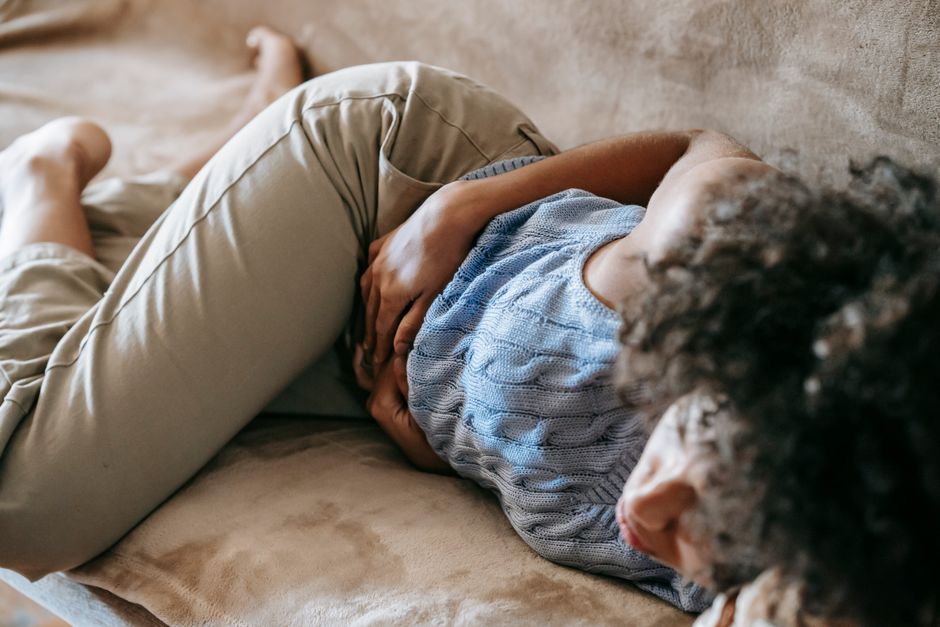
Chest cramps can feel alarming, and that reaction is reasonable. The chest holds your heart and lungs, so pain there deserves attention. But most chest cramps are not a heart attack. They often come from muscles, the esophagus, or the rib cage. The right response depends on what is causing the cramp and how serious it might be.
Quick relief usually means resting, changing position, and addressing the likely trigger, such as muscle strain, reflux, or a breathing pattern. The one thing you should never do is assume. New, severe, or persistent chest pain needs medical evaluation, because serious causes can look like ordinary cramps. This guide explains the common causes, what genuinely helps, and when to get help fast.
How To Stop Chest Cramps? Causes And Quick Relief
Most chest cramps ease with simple steps once you know the likely source. The first job is to sort harmless causes from ones that need urgent care.
Chest cramps fall into a few broad groups. Muscle and rib cage problems are the most common. Digestive causes like acid reflux are also frequent. Heart and lung causes are less common but far more serious, which is why they get checked first.
For a mild cramp that feels muscular, these steps often help:
- Stop the activity that brought it on and rest.
- Change position slowly. Some cramps ease when you straighten up or stretch the chest gently.
- Take slow, steady breaths rather than shallow ones.
- Apply a warm compress to a tight muscle, or a cold pack if there is a recent strain or swelling.
- Avoid heavy lifting or sudden arm movements until it settles.
If the cramp tracks with meals or lying down, reflux is a likely culprit, and adjusting when and how much you eat can reduce episodes. If it tracks with exercise or cold air in someone with asthma, that points to the airways. Matching the step to the cause matters more than any single remedy.
One clarification worth making: a “cramp” in the chest is not the same as the leg cramps people get after exercise. True muscle cramps are sudden, tight, and painful contractions. Chest tightness from the heart usually feels more like pressure, squeezing, or heaviness than a knot in a muscle. That difference is not a reliable way to rule out danger on its own, but it helps you describe what you feel to a clinician.
What Usually Causes Chest Cramps?
Muscle strain and rib cage problems are the most common causes of chest cramps in otherwise healthy adults. The chest wall is a large, busy set of muscles that move with every breath and arm movement.
Musculoskeletal causes include strained chest muscles, inflammation where the ribs meet the breastbone, and rib injuries. These often hurt more when you press on the spot, twist, or take a deep breath. The pain is usually sharp and localized.
Digestive causes are common too. Acid reflux can cause burning or tightness behind the breastbone, sometimes mistaken for heart pain. Swallowing problems and esophageal spasm can also produce chest discomfort.
Breathing-related causes include asthma and other airway conditions, which can cause tightness and cramping sensations, particularly with exercise or cold air.
Anxiety and stress can tighten chest muscles and change breathing patterns, producing real discomfort even when nothing is wrong with the heart.
Heart and lung causes are the ones that must not be missed. These include problems with the heart’s blood supply, inflammation of the sac around the heart, blood clots in the lungs, and collapsed lung. They are less common but can be life-threatening. No symptom pattern reliably separates them from harmless causes, which is why concerning chest pain gets evaluated rather than guessed at.
How Do I Know If Chest Cramps Are Serious?
Some chest symptoms are emergencies and need a call to emergency services right away. Knowing the warning signs is more useful than trying to self-diagnose.
Get emergency help immediately for chest pain or pressure that:
- Comes with shortness of breath, sweating, nausea, or lightheadedness.
- Spreads to the arm, jaw, neck, or back.
- Feels like pressure, squeezing, or heaviness rather than a muscle knot.
- Lasts more than a few minutes or keeps returning.
- Happens with a known heart condition or a strong family history of early heart disease.
Also seek urgent care for chest pain after a blow to the chest, or pain with a sudden sharp shortness of breath, coughing up blood, or a rapid heartbeat that will not settle.
For anyone unsure, the safe rule is simple. When in doubt, get it checked. Emergency departments would rather see a harmless cramp than miss a heart attack. Calling emergency services for possible heart symptoms is appropriate, and driving yourself is not advised.
What Helps Muscle-Related Chest Cramps?
Muscle-related chest cramps usually settle with rest, gentle movement, and time. The chest wall heals like other muscles, though it moves constantly with breathing, which can slow comfort.
General measures that clinicians commonly suggest include resting from the activity that triggered the pain, avoiding heavy lifting, and using gentle stretching once the acute pain fades. Warm compresses can relax tight muscles. Over-the-counter pain relievers are widely used for muscle strain, though anyone with stomach, kidney, or heart conditions should check with a pharmacist or clinician before using them.
Posture matters more than many people realize. Slouching compresses the chest and can aggravate strain. Sitting upright and taking breaks from screens and desks can reduce repeated strain.
If pain persists beyond a week or two, or keeps returning, see a clinician. Persistent chest wall pain has causes that benefit from proper assessment rather than continued self-treatment.
What Helps Chest Cramps From Reflux Or Breathing Problems?
When chest cramps come from reflux or airway problems, the fix is treating the underlying cause, not the chest itself. These causes need a different approach than muscle strain.
For reflux-related chest discomfort, common measures include eating smaller meals, avoiding lying down soon after eating, and identifying trigger foods. Some people find elevating the head of the bed helps nighttime symptoms. Persistent or severe reflux should be assessed by a clinician, since ongoing acid exposure can cause complications and reflux can mimic heart pain closely.
For breathing-related tightness, particularly in people with known asthma, using a prescribed reliever inhaler as directed is the established approach. Chest tightness that comes with wheezing, cough, or breathlessness after exercise or cold air deserves medical review, especially if it is new.
Do not treat suspected reflux or asthma as a reason to ignore chest pain that could be cardiac. If the pattern is new, severe, or comes with the warning signs above, get evaluated first.
When Should I See A Doctor About Chest Cramps?
See a doctor for any new chest pain, and seek emergency care for the warning signs listed earlier. The threshold for evaluation should be low, because the cost of missing a serious cause is high.
Book a prompt appointment if chest cramps:
- Are new or have changed in pattern.
- Keep returning over days or weeks.
- Come with a cough, fever, or trouble swallowing.
- Happen mainly with exertion and ease with rest, which can be a sign of a heart problem.
Some clinicians recommend evaluation for chest pain that worsens with breathing or pressing, but even those patterns are not a guarantee of a harmless cause. A clinician can examine you, ask about your history, and order tests such as an electrocardiogram when needed.
Can You Prevent Chest Cramps?
Many chest cramps can be reduced by addressing the triggers behind them. Prevention depends on the cause, so the first step is knowing which one applies to you.
For muscle-related cramps, regular gentle activity, good posture, and avoiding sudden heavy lifting help. Warming up before exercise reduces strain. For reflux, meal timing and portion size matter. For breathing problems, following an asthma or airway plan and avoiding known triggers is the established approach.
For heart health, the general measures are well established: not smoking, staying physically active, managing blood pressure and cholesterol, and maintaining a healthy weight. These reduce long-term heart risk, though they do not replace evaluation of new symptoms.
No single remedy prevents all chest cramps, and anyone promising a guaranteed fix is overselling. Match prevention to the cause, and get persistent symptoms checked.
Frequently Asked Questions
How do I stop a chest cramp fast?
Stop the activity, rest, change position slowly, and take steady breaths. If the cramp is muscular, a warm compress and gentle stretching may ease it, but new or severe chest pain should be evaluated rather than self-treated.
Can chest cramps be a sign of a heart attack?
Chest pain can be a heart attack symptom, and pressure, squeezing, or pain spreading to the arm or jaw with sweating or breathlessness needs emergency help. Many chest cramps have harmless causes, but no symptom pattern reliably rules out a heart problem.
Why do I get chest cramps when I exercise?
Exercise can strain chest muscles or trigger breathing-related tightness in people with asthma. Chest tightness that comes on with exertion and eases with rest can also signal a heart problem and should be checked by a clinician.
Are chest cramps from anxiety real?
Yes. Anxiety can tighten chest muscles and change breathing, producing genuine discomfort. Because anxiety and heart symptoms can feel similar, new or concerning chest pain should still be evaluated before assuming stress is the cause.
