

A burning sensation in the body is a signal from your nervous system that something needs attention. It can feel like heat, tingling, or a sharp prickling on the skin, and it can appear anywhere from your hands and feet to your chest or back. The first step is to identify the likely cause, because the right response for a skin reaction is different from the response for nerve-related burning. Start by checking the affected area for visible changes, then work through the steps below to find relief and decide if you need medical care.
What Causes a Burning Sensation in the Body?
Burning sensations generally fall into two main categories: skin-related and nerve-related. Skin causes include sunburn, allergic reactions, contact dermatitis, or infections like shingles. Nerve-related causes involve the peripheral nervous system, where damaged or irritated nerves send faulty pain signals to the brain.
Common nerve-related conditions include peripheral neuropathy, often linked to diabetes, vitamin deficiencies, or alcohol use. Other causes include nerve compression like sciatica or carpal tunnel syndrome, multiple sclerosis, and conditions like fibromyalgia. In some cases, a burning sensation stems from circulation issues or thyroid problems. Identifying the pattern of your symptoms — where they occur, when they started, and what makes them worse — helps narrow down the cause.
Step 1: Check for Skin Changes First
Look at the burning area in bright light. If you see redness, a rash, blisters, or swelling, the cause is likely dermatological rather than neurological. Skin-based burning usually responds to cooling and topical treatments. If the skin looks completely normal but still burns, nerve involvement becomes more likely.
For visible skin irritation, wash the area gently with cool water and mild soap. Pat it dry — do not rub. Apply a cool, damp cloth for 10 to 15 minutes at a time. This calms inflamed skin and reduces the intensity of the burning signal. Avoid harsh scrubs, fragranced lotions, or tight clothing over the affected area until the irritation settles.
Step 2: Cool the Area to Calm Acute Burning
Temperature is one of the fastest tools for reducing a burning feeling. For heat-related burns or skin irritation, cool running water works best. Hold the area under cool — not ice-cold — water for 10 minutes. This stops the burning process in skin tissue and prevents deeper damage.
For nerve-related burning, cold therapy can also help by numbing the area temporarily. Wrap an ice pack in a thin towel and apply it for no more than 15 minutes. Never place ice directly on skin, as that can cause frostbite. If cold makes the burning worse — which happens with some nerve conditions — switch to warmth or simply leave the area uncovered and let it rest.




Step 3: Identify and Remove the Trigger
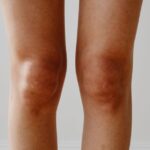
If the burning started after contact with a new product, plant, or material, remove that trigger immediately. Common culprits include new laundry detergents, soaps, cosmetics, or fabrics. Nickel jewelry, latex, and certain plants like poison ivy can also cause contact dermatitis with a burning or itching sensation.
If the burning follows a medication change, check with your pharmacist or doctor. Some blood pressure medications, antibiotics, and chemotherapy drugs list burning or tingling as side effects. Do not stop a prescribed medication on your own. Instead, report the symptom to your healthcare provider, who can determine whether the medication is the cause and whether an alternative exists.
Step 4: Address Nerve-Related Burning With Targeted Care
When burning comes from nerves, topical skin treatments will not fix the underlying issue. Nerve pain often responds to specific approaches. For diabetic neuropathy, strict blood sugar control is the foundation of treatment. Research consistently shows that maintaining glucose levels in a healthy range slows nerve damage progression and reduces symptoms.
Over-the-counter options for nerve burning are limited. Some people find relief with creams containing capsaicin, which works by depleting substance P, a chemical involved in transmitting pain signals. However, capsaicin can initially increase burning before it helps, and not everyone tolerates it. Oral supplements like alpha-lipoic acid and B-complex vitamins show some evidence of benefit for neuropathy, but results vary and you should discuss them with your doctor before starting.
Prescription medications for nerve pain include gabapentin, pregabalin, and certain antidepressants like amitriptyline or duloxetine. These drugs require a prescription and work by altering how the nervous system processes pain signals. They do not cure the underlying condition but can significantly reduce burning discomfort. A doctor determines whether these are appropriate based on your specific diagnosis and medical history.
Step 5: Try Gentle Movement and Position Changes
Nerve compression causes burning that often worsens with certain positions. If the burning is in your leg or foot, changing your posture may relieve pressure on the sciatic nerve. If it is in your hand or wrist, adjusting how you hold your phone or keyboard can reduce pressure on the median nerve.
Gentle stretching and walking improve circulation, which supports nerve health. For people with peripheral neuropathy, regular physical activity has been shown to reduce symptom severity over time. Start slowly and stop if movement increases the burning. Physical therapists can design specific stretches for nerve compression syndromes, and this targeted approach often works better than general exercise.
Step 6: Know When Burning Requires Immediate Medical Attention
Most burning sensations are not emergencies, but some require urgent care. Seek immediate medical help if the burning comes on suddenly and is accompanied by weakness on one side of the body, facial drooping, difficulty speaking, or vision changes — these can indicate a stroke. Sudden burning with chest pain, shortness of breath, or pain radiating down the left arm also warrants emergency evaluation.
Burning that follows a spinal injury or severe back trauma needs urgent assessment. So does burning accompanied by loss of bladder or bowel control, which can indicate cauda equina syndrome, a condition requiring prompt surgical intervention. If the burning spreads rapidly upward from the feet toward the torso, seek care quickly, as this pattern may indicate a progressive neurological condition like Guillain-Barré syndrome.
Step 7: See a Doctor for Persistent or Unexplained Burning
If burning lasts more than a few days without an obvious cause, schedule a medical appointment. Your doctor will take a detailed history and may run blood tests to check for diabetes, vitamin B12 deficiency, thyroid dysfunction, or kidney disease. These conditions commonly cause burning sensations and are treatable once diagnosed.
Electromyography and nerve conduction studies measure how well your nerves transmit electrical signals. These tests help identify peripheral neuropathy and determine its severity. Imaging like MRI or CT scans may be ordered if nerve compression or spinal cord issues are suspected. Getting an accurate diagnosis matters because treatments that work for one cause of burning may be ineffective or even harmful for another.
Lifestyle Factors That Influence Burning Sensations
Several daily habits affect nerve health and skin integrity. Smoking damages blood vessels and reduces circulation, which can worsen neuropathy symptoms. Limiting alcohol is also important, as excessive alcohol consumption is a direct cause of peripheral neuropathy and can deplete thiamine and other B vitamins needed for nerve function.
Diet plays a supporting role. Adequate intake of vitamin B12, found in animal products, and vitamin B6, found in many foods, supports nerve maintenance. People following strict vegan diets should monitor their B12 status because deficiency causes burning and tingling in the hands and feet. Staying hydrated matters too — dehydration can worsen muscle cramps and general discomfort, though it does not directly cause neuropathic burning.
Sleep quality affects pain perception. Research shows that poor sleep lowers pain tolerance and amplifies discomfort from chronic conditions. Addressing sleep issues through consistent schedules and good sleep hygiene may reduce how intensely you perceive burning sensations.
What Does Not Work for Burning Sensations
Several popular remedies lack evidence. CBD topicals are widely marketed for nerve pain, but no large human trials have confirmed their effectiveness for burning sensations specifically. Some people report benefit, but the evidence is anecdotal at this point. Similarly, copper-infused socks and magnetic therapy have no scientific support for treating neuropathy or burning pain.
High-dose vitamin supplements beyond established guidelines do not help and can cause harm. Excess vitamin B6, for example, is itself a cause of peripheral neuropathy. Taking megadoses of any vitamin to treat burning without a confirmed deficiency is not supported by clinical evidence and may introduce new problems. Follow recommended dietary allowances unless a doctor identifies a specific deficiency through blood testing.
Frequently Asked Questions
What is the fastest way to stop a burning sensation?
Cool the area with a damp cloth or cool running water for 10 to 15 minutes if the cause is skin-related. For nerve-related burning, changing position to relieve pressure and resting the area is the fastest initial step.
Can anxiety cause a burning sensation in the body?
Yes, anxiety can trigger burning or tingling sensations through the stress response that alters blood flow and nerve signaling. These sensations typically resolve when anxiety decreases, but persistent burning should still be evaluated by a doctor.
When should I worry about a burning sensation?
Seek immediate care if burning occurs with sudden weakness, chest pain, facial drooping, or loss of bladder control. See a doctor within a few days if burning persists without a clear cause or spreads to new areas.
What vitamin deficiency causes burning feet?
Vitamin B12 deficiency commonly causes burning and tingling in the feet due to nerve damage. Low levels of vitamin B6, thiamine, and folate can also contribute to neuropathy symptoms.
