
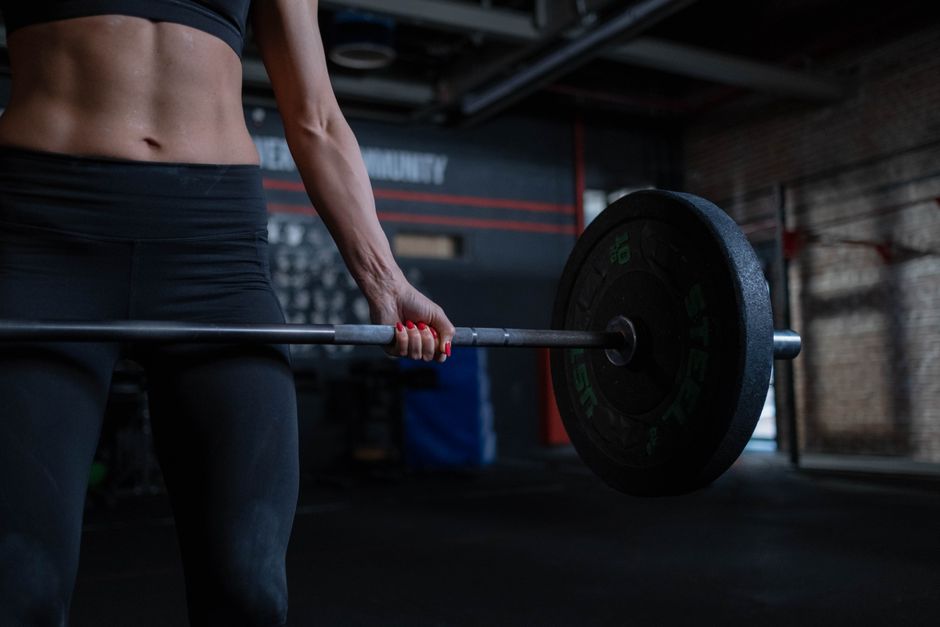
Soreness after a workout is normal, and there is no way to switch it off completely. The fastest way to feel better is to keep moving gently, sleep well, eat enough protein, and give the muscles you worked a day or two before training them hard again. Most soreness peaks a day or two after exercise and fades on its own within about three to five days.
What you are feeling is called delayed onset muscle soreness, or DOMS. It is not lactic acid. That is one of the most common myths in fitness. Lactic acid clears from your muscles within about an hour of exercise. The ache that shows up the next day comes from something else entirely.
What Actually Causes Soreness After a Workout?
DOMS comes from tiny tears in muscle fibers and the swelling and repair process that follows. This happens most after movements your body is not used to, especially ones that lengthen the muscle under load, like lowering a weight slowly or running downhill.
The damage itself is not the whole story. Your immune system sends in repair cells, and that inflammatory response is a big part of why the area feels tender and stiff. The soreness is a sign of adaptation, not damage gone wrong.
This is why a brand-new exercise routine hurts more than one you have done for weeks. The same workout that wrecked you in week one barely registers by week four. Your muscles get better at handling that specific stress. Researchers call this the repeated bout effect, and it is well documented.
How To Stop Being Sore Faster After A Workout
No method erases soreness, but several reliably reduce how bad it feels and how long it lasts. The strongest evidence is for active recovery and sleep. Everything else is a smaller lever.
Keep moving at low intensity. A easy walk, a light swim, or gentle cycling on your off day increases blood flow to sore muscles. It will not repair the fibers faster, but most people report it eases stiffness. Keep it genuinely easy. Hard exercise on sore muscles slows recovery rather than speeding it.
Protect your sleep. Sleep is when most muscle repair happens. Short sleep is linked to slower recovery and more next-day soreness in athletes. If you are chasing recovery and sleeping six hours, fix that before buying any supplement.
Eat enough protein. Muscle repair needs building blocks. General sports nutrition guidance puts protein needs for active adults higher than the standard minimum, spread across the day. You do not need a powder. Eggs, dairy, fish, chicken, beans, and tofu all work.
Stay hydrated. Dehydration does not cause DOMS, but it can make you feel worse overall and can worsen muscle cramps. Drink to thirst and pay attention to urine color.
Try massage or foam rolling. Some studies suggest massage reduces the perception of soreness, though the effect is modest and temporary. It feels good and does no harm. Foam rolling has weaker evidence, but many people find it helps them move more comfortably.
Use heat for stiffness, cold for fresh injury. A warm shower or heating pad can loosen tight, sore muscles. Ice is better suited to acute injuries like a sprain in the first day or two, not to DOMS. The evidence that ice baths speed DOMS recovery is mixed at best.
Does Stretching or an Ice Bath Actually Help?
Stretching before or after exercise does not prevent soreness. Studies looking at this directly have found little to no effect on DOMS. It is still worth doing for flexibility, but do not expect it to head off tomorrow’s ache.
Ice baths and cold water immersion are popular with athletes. The evidence is genuinely mixed. Some studies show a small reduction in soreness, others show none, and there is a real concern that regular cold exposure right after strength training may blunt some of the muscle-building signal. If you use ice baths, occasional use after very hard efforts is the more defensible approach.
Compression garments have some supporting evidence for reducing soreness, though results vary between studies and the effect is modest. Anti-inflammatory pain relievers like ibuprofen are commonly used, but routine use after training is not recommended. Some research suggests they can interfere with the adaptation process, and they carry real risks with regular use.



What Should You Eat and Drink to Recover Faster?
Food does more for recovery than most supplements. The priorities are protein, carbohydrates, fluids, and enough total calories.
- Protein supplies the amino acids muscles need to repair. Spread it across meals rather than loading it all at dinner.
- Carbohydrates refill the glycogen your muscles used during training. This matters most if you train again within a day.
- Fluids and electrolytes replace what you lost through sweat, especially in heat or during long sessions.
- Colorful produce provides vitamins and plant compounds that support normal immune and repair function.
Supplements marketed for recovery are a crowded and mostly unproven field. Some evidence supports tart cherry juice and certain other plant compounds for reducing soreness, but the effects are small and study designs vary. No supplement has been shown to meaningfully speed muscle repair. Treat bold recovery claims on a label as marketing until solid trials say otherwise.
When Is Soreness a Warning Sign?
Normal DOMS is a dull, diffuse ache that builds over a day or two and eases with gentle movement. It affects the muscles you worked, usually on both sides of the body in a similar pattern.
Some symptoms are not normal and need medical attention. Watch for dark brown or cola-colored urine, severe swelling, extreme weakness, or pain that gets worse instead of better. These can signal a serious condition called rhabdomyolysis, where muscle breaks down rapidly and can damage the kidneys. It is uncommon but serious, and it can follow extreme exertion in someone unaccustomed to it.
Sharp, localized pain near a joint, or pain that appears suddenly during a movement, is more likely an injury than soreness. Soreness builds gradually. Injury tends to be immediate.
How Long Does Soreness Last and How Do You Prevent It?
DOMS typically starts within a day, peaks around 24 to 72 hours, and resolves within about three to five days. If soreness is lingering well beyond that or getting worse, something else may be going on.
Prevention works better than treatment. The most reliable strategy is to increase training volume and intensity gradually rather than jumping into a much harder routine. New movements are the biggest trigger, so introduce them at low intensity first.
Warming up before exercise raises muscle temperature and prepares the tissue for load. It will not eliminate soreness, but it supports better performance and may reduce injury risk. Consistency matters too. Training the same movements regularly keeps the repeated bout effect working in your favor.
Frequently Asked Questions
How long does it take for sore muscles to heal?
Most soreness fades within three to five days without treatment. Gentle movement, sleep, and good nutrition support the process but do not shorten it dramatically.
Is it better to rest or exercise when sore?
Light activity like walking or easy cycling is usually fine and can ease stiffness. Avoid hard training of the sore muscle group until the soreness has largely passed.
Does stretching prevent soreness after a workout?
No. Studies have found stretching does not meaningfully prevent or reduce delayed onset muscle soreness. It is still useful for flexibility.
Should I take ibuprofen for muscle soreness?
Occasional use for significant discomfort is common, but routine use after every workout is not recommended. Talk to a doctor or pharmacist if you are unsure, especially if you take other medications.
