
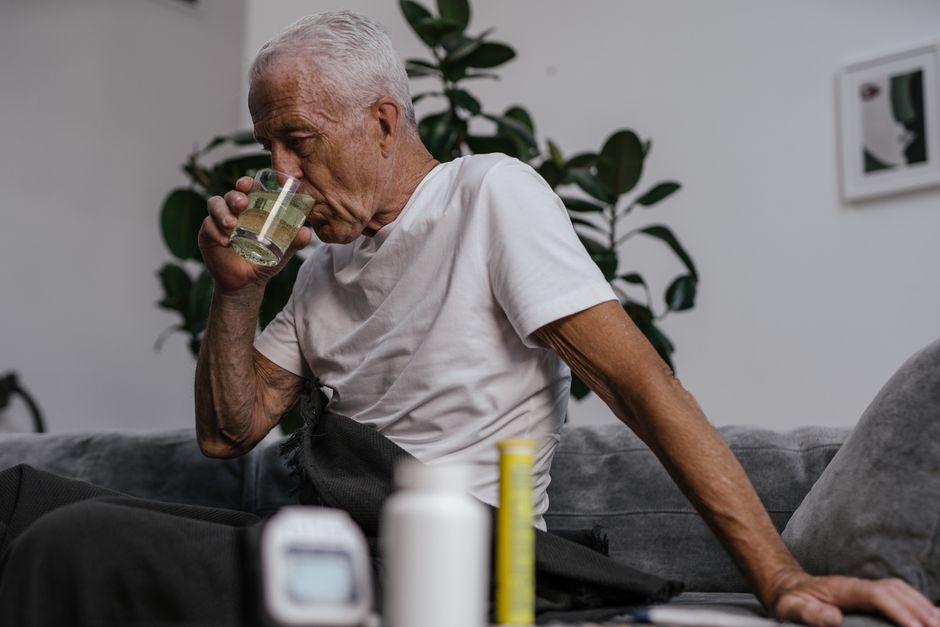
Vomiting is your body’s way of getting rid of something it thinks is harmful. Most episodes are short and resolve on their own within 24 to 48 hours. The most effective home care focuses on preventing dehydration, resting the stomach, and slowly reintroducing food. You should worry when vomiting lasts more than two days, you cannot keep fluids down for 12 hours, or you see signs of severe dehydration or blood.
What Causes Vomiting in Adults?
Viral gastroenteritis is the most common cause of sudden vomiting in adults. This is often called the stomach flu, though it has nothing to do with the seasonal flu virus. Norovirus and rotavirus are the usual culprits. These viruses inflame the stomach and intestines, causing nausea, vomiting, and diarrhea.
Food poisoning is another frequent cause. It happens when you eat food contaminated with bacteria, viruses, or parasites. Symptoms can start within hours of eating the contaminated food. Other causes include pregnancy, migraines, motion sickness, certain medications, and inner ear problems.
Less common but more serious causes include appendicitis, gallbladder disease, pancreatitis, and bowel obstruction. These conditions usually come with severe abdominal pain that gets worse, and they require medical attention. If your vomiting is accompanied by intense pain that does not ease, do not assume it is just a stomach bug.
How To Stop Barfing Home Remedies And When To Worry
The first goal is to give your stomach a rest. Do not eat solid food for a few hours after you vomit. Let your stomach settle completely before you try anything by mouth. This usually means waiting at least two to three hours after the last episode.
When you do start taking in fluids, go slowly. Sip small amounts of clear liquids every 10 to 15 minutes. Water is a fine starting point. Clear broths, sports drinks, and oral rehydration solutions also work well. The key word is sip. Drinking too much at once can trigger another round of vomiting.
Oral rehydration solutions are the most reliable option. They contain the right balance of water, sugar, and electrolytes that your body needs. Some research suggests they replace lost fluids more effectively than water, sports drinks, or juice. You can find them in most pharmacies without a prescription.
Once you have kept small sips down for several hours, you can gradually increase the amount. If you tolerate that well, you can move to bland foods. The BRAT diet — bananas, rice, applesauce, and toast — is a traditional recommendation. These foods are easy on the stomach and low in fiber. Crackers, plain potatoes, and boiled chicken are also reasonable choices.
Avoid dairy, fatty foods, spicy foods, and anything heavily seasoned for a day or two. These can irritate a recovering stomach. Caffeine and alcohol should also wait until you are fully better. Both can worsen dehydration.
Does Ginger or Peppermint Actually Help?
Ginger has the strongest evidence behind it. Some studies suggest that ginger can reduce nausea and vomiting, particularly in pregnancy and after surgery. The evidence for viral gastroenteritis is less clear, but many people find ginger tea or flat ginger ale soothing. It is a reasonable option if you tolerate it.
Peppermint is more often studied for irritable bowel syndrome than for vomiting. Some people find peppermint tea calming for the stomach, but the evidence that it stops vomiting is limited. If you try it and it makes you feel worse, stop.
Acupressure bands, the kind worn for motion sickness, may help some people. The evidence is mixed. They are harmless to try, but they are not a substitute for fluid replacement.
There is no reliable evidence that apple cider vinegar, activated charcoal, or any herbal supplement stops vomiting. Some of these can actually make things worse. Activated charcoal does not absorb viruses or toxins that are already in your bloodstream, and it can interfere with medications.





How To Prevent Dehydration While Vomiting
Dehydration is the main risk from vomiting. Your body loses water and electrolytes every time you vomit. If you are also having diarrhea, you lose even more. The signs of dehydration include dark urine, dry mouth, dizziness, and feeling unusually tired.
For most adults, drinking small amounts of clear fluids is enough to prevent dehydration. Oral rehydration solutions are the best choice when vomiting is frequent or paired with diarrhea. They replace the specific salts and sugars your body needs to absorb fluids properly.
Sipping fluids is the safest approach. If you drink a full glass at once, it may come right back up. Try one sip every five to ten minutes at first. If you keep that down for an hour, you can increase to two sips at a time.
Sports drinks can work in a pinch, but they are not ideal. They contain a lot of sugar and may not have the right electrolyte balance. Clear broths are good for salt but do not provide enough sugar for proper absorption. Oral rehydration solutions are the most complete option.
When Should You See a Doctor?
Most vomiting does not need medical treatment. But some situations do require a call to your doctor or a visit to urgent care. You should seek medical attention if vomiting lasts more than two days in an adult, or if you cannot keep any fluids down for 12 hours.
Seek immediate care if you see any of these warning signs:
- Blood in your vomit, which can look red or like coffee grounds
- Severe abdominal pain that does not go away
- A fever higher than 101.5°F (38.6°C)
- Signs of severe dehydration, such as confusion, a racing heart, or not urinating for 8 hours
- Vomiting that follows a head injury
- A stiff neck, severe headache, or sensitivity to light
These symptoms can point to something more serious than a stomach bug. Do not wait to see if they pass. Call your doctor or go to urgent care.
If you have an underlying condition such as diabetes, kidney disease, or heart failure, check with your doctor earlier. Vomiting can affect your blood sugar, blood pressure, and medication levels in ways that are harder to manage on your own.
Can Medications Stop Vomiting at Home?
Over-the-counter anti-nausea medications exist, but they are not all the same. Bismuth subsalicylate, sold as Pepto-Bismol, can help with mild nausea and upset stomach. It does not work for all types of vomiting, and it should not be given to children or teenagers with viral illnesses because of the risk of Reye’s syndrome. It also contains salicylate, so people allergic to aspirin should avoid it.
Antihistamines like dimenhydrinate (Dramamine) are meant for motion sickness. They work best when taken before nausea starts. They can cause drowsiness, which may not be ideal if you need to drive or work.
Prescription anti-nausea medications exist, but they are not available without a doctor’s visit. Do not take someone else’s prescription anti-nausea medication. The dose and the drug need to match your specific situation.
There is no evidence that any over-the-counter medication stops viral gastroenteritis faster. These drugs may reduce symptoms, but the virus still needs to run its course. The main job of home care is to keep you hydrated while your immune system clears the infection.
Frequently Asked Questions
How long should vomiting last before seeing a doctor?
See a doctor if vomiting lasts more than two days in an adult, or if you cannot keep fluids down for 12 hours. Seek immediate care if you see blood, have severe pain, or show signs of severe dehydration.
What is the best thing to drink when you are throwing up?
Oral rehydration solutions are the best choice because they replace water and electrolytes in the right balance. Sip small amounts every 10 to 15 minutes rather than drinking a full glass at once.
Is it better to let the stomach empty or try to stop the vomiting?
Let your stomach settle naturally for a few hours before trying to eat or drink. The body is removing something it considers harmful, and forcing food or fluids in too soon usually triggers more vomiting.
Can you eat after vomiting or should you wait?
Wait at least a few hours after the last episode before eating. Start with bland foods like bananas, rice, applesauce, or toast, and only after you have kept small sips of fluid down successfully.
