
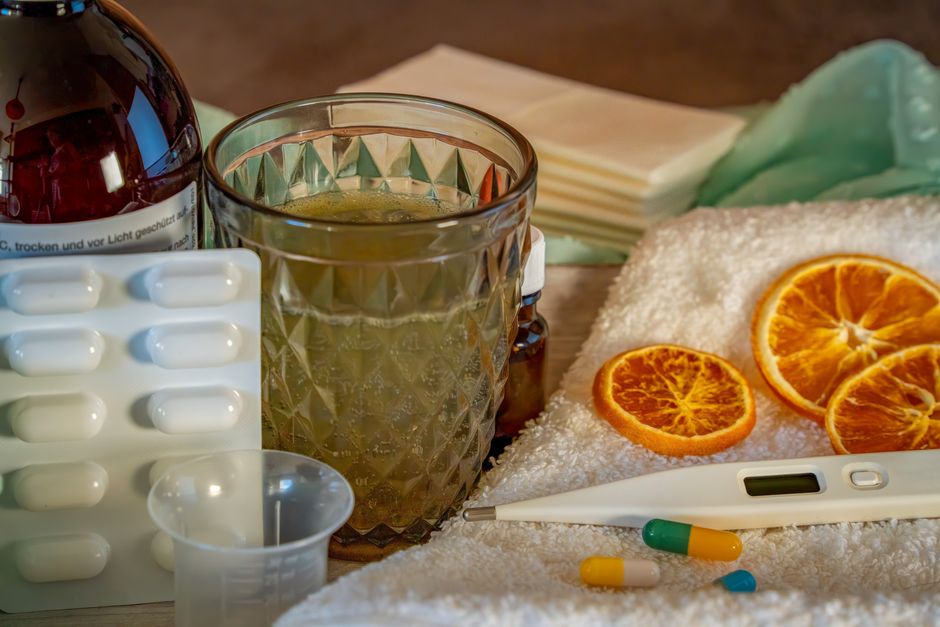
When your baby is coughing, your first instinct is to make it stop. But a cough is not an illness. It is a reflex that clears the airway. For most babies, the safest home remedy is simple: moisture, fluids, and time. You can use a cool-mist humidifier, offer extra breast milk or formula, and keep the air clean. That is the core of safe home care for a coughing baby. You should never give over-the-counter cough medicine to a baby under two years old. Those products do not work well in young children and can cause serious side effects.
Why Do Babies Cough?
A baby coughs for the same reason adults do. Something is irritating the throat or airways. It could be mucus from a cold, dry air, or even a small amount of milk that went down the wrong pipe. The cough is the body trying to push that irritant out.
Most infant coughs come from viral upper respiratory infections. These are common. A healthy baby can have six to eight colds a year. The cough from a cold can last two to three weeks. That is normal, even if it feels endless.
Less common causes include allergies, asthma, or reflux. In rare cases, a cough can signal something serious like pneumonia or whooping cough. Knowing the difference matters. A mild cough with a runny nose is usually a cold. A cough with fast breathing, fever, or a “whoop” sound needs medical attention.
What Is the Best Home Remedy for a Baby Cough?
Moisture is the most effective home treatment. Dry air makes a cough worse. A cool-mist humidifier in the baby’s room adds moisture to the air and helps soothe irritated airways. Place it near the crib but out of reach. Clean it daily to prevent mold and bacteria growth.
Another simple method is steam. Sit in a closed bathroom with the hot shower running for ten to fifteen minutes. The warm, moist air can loosen mucus and ease a dry cough. Do not put the baby in the water. Just let them breathe the steam while you hold them.
Extra fluids also help. Breast milk or formula keeps a baby hydrated. Hydration thins mucus, making it easier for the body to clear it. For babies older than six months, small amounts of warm water can be offered. Do not give honey to a baby under one year old. Honey can cause infant botulism, a rare but serious illness.
How To Stop Baby From Coughing Safe Home Remedies at Night
Nighttime is when coughs often get worse. When a baby lies flat, mucus can pool in the back of the throat and trigger coughing. Gravity works against them.
Elevating the head of the mattress slightly can help. Place a rolled towel under the mattress, not under the baby’s head. Never use pillows in a crib. The crib should stay empty except for a fitted sheet and the baby. This reduces the risk of suffocation and sudden infant death syndrome (SIDS).
Run the humidifier during sleep. Keep the room temperature comfortable. Overheating can make coughing worse. A cool room, around 68 to 72 degrees Fahrenheit, is generally best for sleep.
If the baby wakes up coughing, offer a feeding. Sucking and swallowing can help clear the throat. For babies over six months, a few sips of warm water can have the same effect.





Home Remedies That Do Not Work and Can Be Dangerous
Some remedies are popular but not safe for babies. Over-the-counter cough and cold medicines are the biggest concern. The U.S. Food and Drug Administration advises against these products for children under two years old. They can cause slowed breathing, drowsiness, and heart problems. Some experts recommend avoiding them for children under six.
Honey is a common remedy for older children and adults. Research has shown it can calm a cough. But it is strictly off-limits for babies under one year. Infant botulism is a real risk. The bacteria in honey can produce toxins in a baby’s immature digestive system.
Vapor rubs are another product to avoid. Some studies suggest they can help older children, but they are not recommended for infants. The strong smell can irritate a baby’s nose and airways. Some contain camphor, which can be toxic if ingested.
Never give a baby any medication without asking a doctor. This includes herbal remedies, teas, or supplements. Babies metabolize drugs differently. What is safe for a toddler may be dangerous for an infant.
When To Call the Doctor
Most baby coughs are not emergencies. But some signs require immediate medical care. Call your doctor or seek emergency care if your baby has any of these:
- Difficulty breathing or fast breathing
- Blue or gray color around the lips or face
- A cough that sounds like a seal barking
- A “whoop” sound when breathing in after coughing
- Fever in a baby under three months old (100.4°F or higher)
- Dehydration, shown by fewer wet diapers than usual
- Coughing that lasts more than three weeks
- Coughing up blood
Trust your instincts. If something feels wrong, call the doctor. Parents are rarely wrong when they sense their baby is seriously ill.
A barking cough that gets worse at night can be croup. Croup is common in young children and often improves with cool night air or steam. But if the baby struggles to breathe, this is an emergency.
A cough after a choking episode also needs attention. If your baby was choking and now has a persistent cough, a piece of food or a small object may still be lodged in the airway. This requires immediate medical evaluation.
How Long Does a Baby Cough Last?
A cough from a viral cold typically lasts one to three weeks. It is often worst around day three to five. The cough may linger after other symptoms improve. This is normal. The airways are still healing and clearing out leftover mucus.
If the cough lasts longer than three weeks, call your doctor. Persistent coughing can signal asthma, reflux, or a bacterial infection. These conditions need proper diagnosis and treatment, not just home care.
You should also watch the pattern. A cough that gets worse instead of better is a concern. A cough that comes with a high fever for more than three days needs evaluation. A cough that interferes with feeding or sleeping deserves a call to the pediatrician.
Preventing Coughs in Babies
You cannot prevent every cough. But you can reduce the number of infections your baby gets. Handwashing is the most effective tool. Ask visitors to wash their hands before holding the baby. Keep your baby away from people who are visibly sick.
If you are breastfeeding, continue. Breast milk passes antibodies to your baby. These antibodies help fight off infections. The protection is strongest for respiratory illnesses in the first year of life.
Keep your baby up to date on vaccinations. The whooping cough vaccine (DTaP) protects against a serious cause of coughing. Pregnant women can also get the Tdap vaccine in the third trimester. This passes some protection to the baby before birth.
Do not smoke around your baby. Secondhand smoke irritates airways and makes coughs worse. Babies exposed to smoke have more respiratory infections and more severe symptoms. This is one of the most preventable risk factors for infant coughing.
Frequently Asked Questions
Can I give my baby honey for a cough?
No. Honey is not safe for babies under one year old because it can cause infant botulism. For babies over one year, honey can help soothe a cough.
Is a humidifier safe for a newborn?
Yes, a cool-mist humidifier is safe for newborns and helps with coughing. Clean it daily to prevent mold and bacteria from growing in the water tank.
When should I take my coughing baby to the emergency room?
Go to the emergency room if your baby has trouble breathing, lips turn blue, or the cough sounds like a seal barking. A fever of 100.4°F or higher in a baby under three months also requires immediate care.
Can I use baby cough medicine from the pharmacy?
No. Over-the-counter cough and cold medicines are not safe for babies under two years old. They can cause serious side effects and do not work well in young children.
A coughing baby is stressful. But most coughs are mild and resolve on their own. Moisture, fluids, and close observation are the safest tools you have. Watch for warning signs, avoid unproven remedies, and call your pediatrician whenever you are unsure. Your calm attention is the best medicine your baby can get.
