
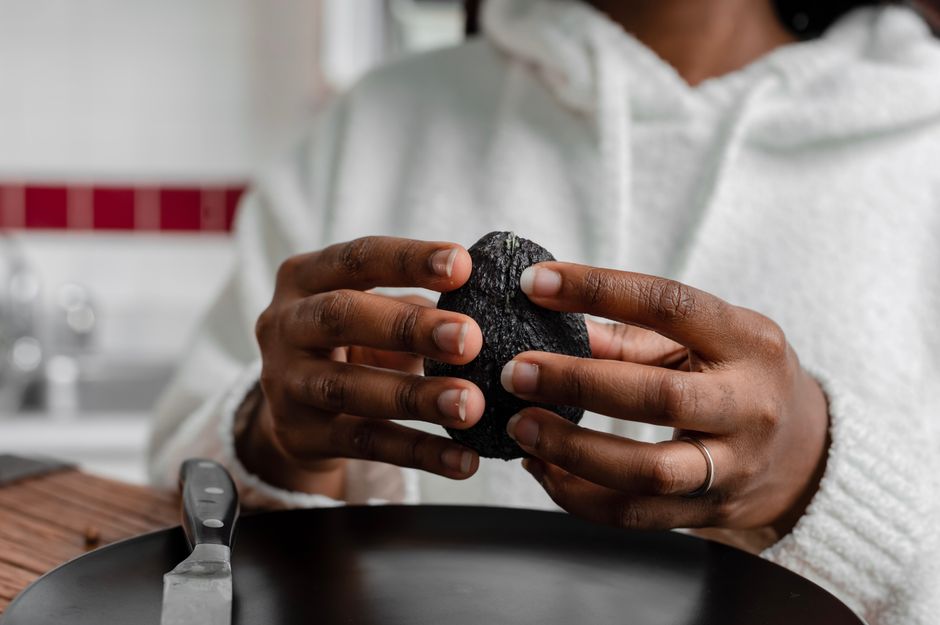
To stop avocado from browning, you need to slow down or stop the chemical reaction that happens when the flesh meets air. The most reliable method is to apply an acidic ingredient like lemon or lime juice directly on the cut surface. This lowers the pH enough to deactivate the enzyme responsible for browning. For longer storage, press plastic wrap directly against the avocado flesh to block air, or store it with a cut onion to absorb ethylene gas.
Why Do Avocados Turn Brown?
The browning you see on cut avocado is a natural chemical reaction called enzymatic browning. An enzyme called polyphenol oxidase (PPO) sits inside the avocado cells. When you cut the fruit, you break the cell walls, and the PPO meets oxygen from the air. This reaction turns compounds called phenols into melanin, the same pigment that gives your skin color. It is not harmful, but it makes the avocado look unappealing and sometimes changes the flavor slightly.
Temperature also matters. Warmer air speeds up the enzyme activity. That is why keeping cut avocado in the refrigerator helps slow the browning process down.
How Does Lemon Juice Prevent Browning?
Lemon juice works because it contains citric acid and ascorbic acid (vitamin C). The acid lowers the pH of the avocado surface. Polyphenol oxidase stops working effectively at a pH below about 3. Lemon juice drops the pH enough to stall the enzyme. Additionally, ascorbic acid acts as an antioxidant. It reacts with oxygen before the oxygen can reach the enzyme, buying you extra time.
One lemon usually provides enough juice for half a large avocado. You can brush it on or spray it lightly. The lemon taste may be noticeable, but it typically fades when the avocado is mixed into other dishes.
What Other Acids Can You Use?
Lime juice works almost identically to lemon juice because it has similar acid levels. White vinegar or apple cider vinegar also lowers pH effectively, but the vinegar taste is stronger and may not pair well with avocado. Orange juice and pineapple juice contain less acid, so they are less reliable.
Citric acid powder, available in the baking aisle, can be mixed with water (¼ teaspoon per tablespoon of water) and brushed on. It has no flavor, which makes it a good option if you want to avoid taste changes. Some people use grapefruit juice or even a splash of pickle juice, but no single acid has been proven superior in controlled trials. The key is simply enough acidity to lower the pH.





Does Water or Oil Keep Avocado Green?
Submerging cut avocado in water can slow browning because it blocks oxygen from reaching the surface. However, studies have found that water may not fully stop the reaction if any air bubbles remain trapped. Also, water can make the avocado soggy if stored too long.
Oil, such as olive or avocado oil, creates a barrier that limits oxygen exposure. A light coating of oil can work for a few hours at room temperature. But oil does not contain acid to deactivate the enzyme, so browning may still occur slowly. For best results, combine an acid with an airtight seal rather than relying on oil alone.
What Is the Best Way to Store a Cut Avocado?
Keeping the pit in the avocado does little to prevent browning. The pit only protects the small area it touches. The rest of the exposed flesh will still turn brown. The most effective storage method is to place plastic wrap directly against the entire cut surface, squeezing out any air pockets. This physically blocks oxygen. Then store the avocado in the refrigerator.
Another method that some cooks swear by is placing a cut onion in the same container as the avocado half. The onion releases sulfur compounds that can slow browning. Evidence for this is mostly anecdotal, but it is easy to try. Whichever method you choose, use the stored avocado within one to two days for best quality.
Can You Freeze Avocado Without Browning?
Freezing halts the enzymatic browning reaction because the cold temperature stops enzyme activity. However, freezing changes the texture of avocado. When thawed, the flesh becomes mushy and watery, so frozen avocado is best used in smoothies, dressings, or guacamole rather than sliced on toast.
To prevent browning during freezing, mash the avocado with a little lemon or lime juice before sealing it in a freezer bag. Squeeze out all the air. This method keeps the green color for several months. Some research suggests that vacuum sealing further reduces browning, but a tightly sealed bag with minimal air works well for home use.
How to Keep Guacamole from Turning Brown
Guacamole browns for the same reason as whole avocado — the PPO enzyme reacts with oxygen. The same acid trick works here. Mix lime or lemon juice into the guacamole right after making it. Then press a layer of plastic wrap directly onto the surface of the dip before sealing the container. This eliminates the air pocket above the guacamole.
Another popular method is to pour a thin layer of water, lime juice, or sour cream on top of the guacamole before refrigerating. Pour it off before serving. This creates a liquid seal that blocks oxygen. These techniques will keep guacamole green for about two days in the refrigerator.
Frequently Asked Questions
Does leaving the pit in the avocado prevent browning?
No, the pit only protects the small area directly underneath it. The exposed flesh will still brown because oxygen reaches it from the sides.
How long does an avocado stay green after cutting?
With acid and airtight storage, a cut avocado can stay green for up to two days in the refrigerator. Without treatment, it will begin to brown within a few hours.
Can I use vinegar instead of lemon juice?
Yes, vinegar works because it is acidic, but it leaves a stronger flavor that may not taste good with avocado. Use it sparingly if you do not mind the taste.
