
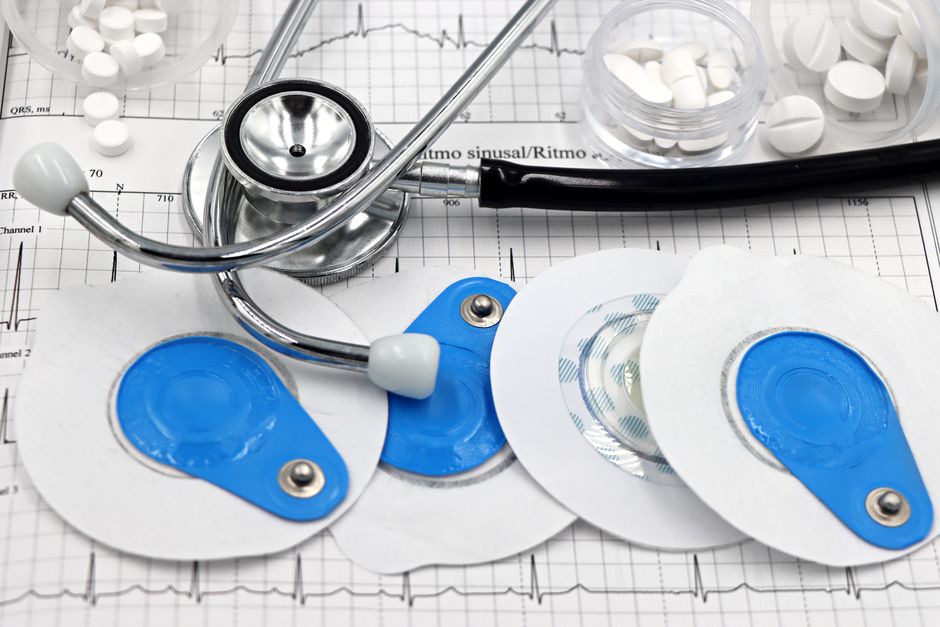
An arrhythmia is an abnormal heart rhythm. It can feel like a fluttering, racing, or skipping heartbeat. If you experience one, the first step is to stay calm and assess your symptoms. You cannot “cure” a heart rhythm problem at home, but you can use specific physical maneuvers to help slow a fast heartbeat and stabilize your condition while you seek medical advice. The most important immediate action is to recognize the difference between a harmless palpitation and a symptom of a serious cardiac event.
What Does an Arrhythmia Feel Like?
Arrhythmias vary widely. Some people feel a single skipped beat. Others feel a rapid, pounding pulse that comes on suddenly. You might feel lightheaded, short of breath, or experience chest discomfort.
Many arrhythmias are benign. Premature atrial contractions (PACs) and premature ventricular contractions (PVCs) are common and usually harmless. However, if your heart rate is consistently over 120 beats per minute at rest and you feel dizzy or faint, this requires immediate medical attention.
How To Stop Arrhythmia At Home Immediately
For certain types of fast arrhythmias, specifically supraventricular tachycardia (SVT), you can use vagal maneuvers. These are physical actions that stimulate the vagus nerve. This nerve helps regulate your heart rate. Stimulating it can slow the electrical signals in your heart.
Valsalva maneuver: Take a deep breath. Pinch your nose closed. Close your mouth. Bear down as if you are trying to exhale forcefully. Hold this for 10 to 15 seconds. Then release and breathe normally. This is often the most effective home maneuver for stopping SVT.
Cold water reflex: Splash ice-cold water on your face. This triggers the dive reflex, which naturally slows your heart rate. You can also apply a cold, wet towel to your face for a few seconds.
These maneuvers work best when started early during the episode. If they do not work within a few minutes, or if your symptoms worsen, you need emergency care.
When To Call 911 Immediately
Do not attempt home treatments if you have serious symptoms. Call 911 if your arrhythmia is accompanied by:
- Chest pain or pressure
- Severe shortness of breath
- Fainting or near-fainting
- Confusion or difficulty speaking
- Pain radiating to your arm, jaw, or back
These symptoms can indicate a heart attack or a dangerous rhythm like ventricular tachycardia. Home maneuvers will not help these conditions. Delaying emergency care in these situations can be life-threatening.




Breathing Techniques for Palpitations
Stress and anxiety can trigger or worsen palpitations. Slow, controlled breathing can help calm your nervous system and reduce the perception of skipped beats.
Try box breathing. Inhale through your nose for four seconds. Hold your breath for four seconds. Exhale slowly through your mouth for four seconds. Hold again for four seconds. Repeat this cycle for several minutes.
This technique does not stop a true electrical arrhythmia. It helps reduce the adrenaline response that can make palpitations feel more intense. If your heart rate remains fast despite relaxed breathing, the problem is likely electrical, not anxiety.
What Causes Sudden Arrhythmias?
Several everyday factors can trigger an arrhythmia in a healthy heart. Caffeine is a common trigger. Alcohol, especially binge drinking, can cause “holiday heart syndrome,” which leads to atrial fibrillation. Dehydration and electrolyte imbalances also disrupt the heart’s electrical system.
Certain medications, including cold medicines and asthma inhalers, can increase heart rate. Illicit stimulants like cocaine are highly dangerous and can cause fatal arrhythmias.
Underlying heart disease is the most serious cause. Coronary artery disease, heart valve problems, and previous heart attacks all increase your risk. An arrhythmia can also be the first sign of an undiagnosed heart condition.
Can You Stop Atrial Fibrillation At Home?
Atrial fibrillation (AFib) is the most common serious arrhythmia. It causes a rapid, irregular heartbeat. You cannot reliably stop an AFib episode at home.
Some people find that resting, hydrating, and reducing stress helps the episode pass sooner. However, AFib often requires medical treatment to restore a normal rhythm. If an episode lasts longer than a few hours, or if you feel chest pain or faint, seek emergency care.
Untreated AFib increases your risk of stroke. Blood can pool in the heart’s upper chambers and form clots. These clots can travel to the brain. This is why a doctor’s evaluation is essential after any confirmed AFib episode.
Lifestyle Changes That Reduce Arrhythmia Frequency
Prevention is more effective than trying to stop an arrhythmia in the moment. If you have frequent palpitations, review your daily habits.
Limit stimulants: Reduce caffeine intake. Monitor your reaction to energy drinks and chocolate. Some people are highly sensitive to these substances.
Stay hydrated: Dehydration reduces blood volume and makes your heart work harder. Drink water throughout the day, especially in hot weather or after exercise.
Correct electrolyte imbalances: Sodium, potassium, calcium, and magnesium all play roles in heart muscle function. A balanced diet usually provides enough of these. Do not take magnesium or potassium supplements without a doctor’s advice, as excessive levels can be dangerous.
Manage sleep: Sleep apnea is strongly linked to arrhythmias. If you snore heavily or feel exhausted after a full night’s sleep, discuss a sleep study with your doctor.
What To Do After the Episode Stops
Even if you successfully stop an arrhythmia at home, you still need a medical evaluation. A single episode can be a warning sign. Your doctor can determine whether it was benign or a symptom of an underlying condition.
Your doctor may order an electrocardiogram (ECG), a blood test, or a heart monitor. A Holter monitor records your heart rhythm for 24 to 48 hours. An event monitor can be worn for weeks to capture intermittent episodes.
Do not assume the episode was harmless because it stopped. The underlying cause may still be present. Identifying it early can prevent a more serious event later.
Frequently Asked Questions
Can coughing stop an arrhythmia?
Coughing forcefully can sometimes help, because it increases pressure in your chest and may stimulate the vagus nerve. It is not as reliable as the Valsalva maneuver and should not replace emergency care for severe symptoms.
Is it safe to sleep after a palpitation episode?
If you feel fine, have no chest pain, and your heart rate is normal, resting is generally safe. If you are unsure or feel unwell, seek medical advice instead of going to sleep.
Does drinking water help heart palpitations?
If dehydration caused the palpitations, drinking water can help restore normal rhythm. If the cause is electrical or related to heart disease, water will not stop the arrhythmia.
Can anxiety cause a dangerous arrhythmia?
Anxiety can trigger benign palpitations and a fast heart rate, but it rarely causes a life-threatening arrhythmia in a structurally normal heart. However, anxiety can worsen existing heart conditions, so persistent symptoms deserve a medical check.
